

41 Vesna Vulovic Survives DC-9 Bombing

In the late 1960s, a woman named Vesna Vulovic drank strong coffee before her interviewer measured her blood pressure, hoping to push it high enough to qualify as a flight attendant despite naturally low readings. On January 26, 1972, she worked aboard JAT Flight 367 when a bomb exploded on the DC-9 at cruising altitude over Czechoslovakia, blowing the plane apart and killing everyone on board except her.
Rescuers later found Vesna pinned by a food cart inside a section of the tail that had slammed into a snowy, forested hillside, and doctors suggested her naturally low blood pressure and immediate deep unconsciousness might have helped her survive the fall. She spent months recovering from skull fractures, broken legs, and spinal injuries, but she eventually walked again and became a symbol of miraculous survival.
42 Rinca Island Divers Fight Komodo

In June 2008, five European scuba divers were swept away by powerful currents during a dive off Tatawa Island in Indonesia and spent about 12 hours drifting 20 miles through shark-infested waters before they finally reached remote Rinca Island. Exhausted, dehydrated, and with no real supplies, they tied their dive vests together to conserve energy, scraped mussels off the rocks for food, and tried to rest on the beach.
A giant Komodo dragon then approached them on the sand, forcing the divers to pelt it with rocks, pieces of wood, and even weight belts until it backed off. After two days stranded on the island, a search boat finally spotted them waving from the shore and took them to Flores Island for medical treatment. They were battered and dehydrated but lived to tell their tale.
43 Bret Gilliam’s Shark-Driven Ascent

In 1972 off Cane Bay on St. Croix, technical diver Bret Gilliam was on a scientific dive with partners Rod Temple and Robbie McIlvaine when oceanic whitetip sharks suddenly attacked Temple at a depth of more than 200 feet. Gilliam grabbed Temple and tried to haul him up the wall, but the sharks dragged them down until his depth gauge pegged at 325 feet, and he later estimated they had sunk to nearly 400 feet, where the sharks tore Temple from his grasp while his tanks ran almost dry.
With no real air left and no time for decompression stops, Gilliam kicked for the surface in a near blackout and finally lost consciousness as he rose. He survived the emergency ascent but surfaced with severe decompression sickness, required evacuation to a recompression chamber in Puerto Rico, and became one of the deepest known survivors of an out-of-air ascent.
44 Snowbound Swede’s Two-Month Car Igloo

In early 2012, a Swedish man in his mid-forties became trapped in his car on a remote forest road after heavy snow buried the vehicle and cut him off from any help. With no food for nearly two months, he survived by staying inside the car as drifting snow piled up around it, creating an igloo effect that insulated the cabin and trapped what little body heat he could generate.
He lay under a sleeping bag, ate handfuls of snow to stave off dehydration, and moved as little as possible while temperatures outside plunged well below freezing. When snowmobilers finally found the half-buried car about 60 days later, rescuers said he was extremely weak but still alive, and doctors noted that two months is close to the upper limit of how long a human can survive without food.
45 Chase Dellwo Gags Grizzly Bear

In October 2015, 26-year-old hunter Chase Dellwo was bowhunting elk near Great Falls, Montana, when he suddenly stumbled onto a sleeping grizzly in tall grass on a cold, windy day. The bear charged, knocked him down, and mauled his head and leg while he tried to protect his vital organs.
In the middle of the attack, Dellwo remembered an article his grandmother had given him about bears having a poor gag reflex, so he shoved his arm deep into the grizzly’s throat until it choked and backed off. Bleeding heavily but alive, he walked back to find his brother, reached their vehicle, and later received stitches and staples at a hospital, surviving a mauling that could easily have killed him.
46 Rebecca Munkombwe Eye-Gouges Crocodile
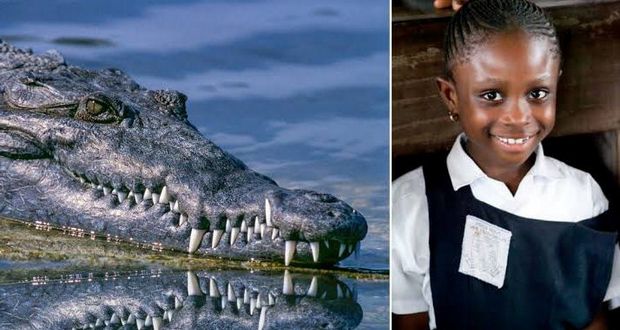
In 2019 near Hwange in Zimbabwe, 11-year-old Rebecca Munkombwe heard screams from a stream in Sinderela Village and saw her 9-year-old friend Latoya Muwani being dragged under by a crocodile. As the oldest of seven children playing nearby, she jumped back into the neck-deep water, swam over, and found the reptile clamped onto Latoya’s hand and thigh.
Rebecca climbed onto the crocodile’s back and beat it with her fists, then drove her fingers into its eyes until it released her friend. She then swam Latoya to the bank, where other children pulled the injured girl out, and doctors later treated her for bite wounds but called them only mild injuries.
47 Annette Herfkens’ Eight-Day Jungle Survival

In 1992, Dutch investment banker Annette Herfkens boarded Vietnam Airlines Flight 474 with her fiancé, and the plane crashed into a remote mountainside in the Vietnamese jungle, killing him and all 28 other passengers and crew. She survived the impact with 12 fractures in her hip, 2 in her leg, a broken jaw, and a collapsed lung, and lay stranded among the wreckage, unable to walk.
For eight days she endured pain, hunger, and tropical heat, drinking only rainwater that she collected in pieces of debris to stay alive. On the eighth day, a local officer finally came across the crash site, raised the alarm, and rescuers carried her out as the sole survivor of the disaster.
Latest FactRepublic Video:
15 Most Controversial & Costly Blunders in History
48 Super Saiyan Against 400 Bees

In 2014 in the United States, 11-year-old Andrew Kunz disturbed a massive hive while playing near a creek and suddenly found himself swarmed and stung by hundreds of bees. As the insects covered his head and body, he remembered his favorite anime, Dragon Ball Z, and pretended to be Goku powering up into a Super Saiyan to push through the pain and run for help.
Paramedics later counted around 400 stings and rushed him to the hospital, where doctors treated the swelling and monitored him for a dangerous allergic reaction. He pulled through and recovered, crediting his survival to staying calm and drawing strength from his anime hero while the bees attacked.
49 Jacob Vouza’s Guadalcanal Jungle Warning

During the Guadalcanal campaign in August 1942, Solomon Island police sergeant major Jacob C. Vouza was scouting for the U.S. Marines when Japanese troops captured him. They found a small American flag on him, tied him to a tree, beat and bayoneted him repeatedly in the arms, chest, and throat, and left him for dead when he refused to reveal Allied positions.
Vouza later regained consciousness, chewed through the ropes that bound him, and crawled several miles through the jungle, bleeding heavily, to reach the Marine lines. He refused treatment until he warned officers about an imminent Japanese attack, giving the Marines crucial minutes to prepare, and then spent nearly two weeks in hospital before returning to duty as their chief scout.
50 Tyson Steele’s Three-Week Alaskan Winter

In December 2019, 30-year-old Tyson Steele accidentally set his remote cabin in Alaska on fire when he put a large piece of cardboard in his wood stove and an ember blew out onto the roof, burning his home down in the middle of subzero winter. He watched his dog die in the blaze, salvaged what little he could from the ruins, and then slept in a makeshift snow shelter and later a partially roofed tent, living on peanut butter, canned food, and whatever scraps he had left.
With no working phone and no vehicle, he stamped a giant SOS in the snow and tried to stay mentally busy, telling reporters later that he was not exactly trained, just used to the outdoors, and had watched a lot of YouTube videos. After about three weeks in the wilderness, an Alaska State Troopers helicopter spotted his SOS, landed, and flew the frostbitten but alive Steele out to safety.


RE: Fact #27 (Atafu Teens Drift 1,300 Kilometres) – How many beers were on the boat?
I’m pretty sure it was much less before they got the idea.
RE: Fact #14 (Saskatchewan Castaway Fells Power Poles) – If you’re facing a life‑or‑death scenario, the hassle of other people’s lives just drops off the radar.
RE: Fact #38 (Finis River Teens Escape Crocodile) – bad crocodiles in rising water? That’s exactly what nightmares are made of.
RE: Fact #11 (Homework-Fueled Whitewater Snowboarder Survival) – ive done some pretty dumb sh*t to get out of a bad grade in class before
these kids were really trying to cover themselves, the assignment was worth a lot of points
i knew this kid who lied about his printer not working so he couldnt turn in his homework, problem was his teacher was his mom and she had just printed a bunch of stuff that morning
RE: Fact #19 (Teen Survives Maui Wheel-Well) – I’ve read the whole wiki on wheel stowaways—there’s a lot out there. The FAA says the real number is probably higher than what we see in records because some bodies just sink into the ocean (link). And they even had another case this January.
RE: Fact #17 (Palm Springs Tramway Lost Hikers) – That’s why I don’t go hiking.
RE: Fact #47 (Annette Herfkens’ Eight-Day Jungle Survival) – This is basically the accident summary
“The flight was supposed to last about an hour, but from the moment we took off Annette was already nervous and feeling cramped. After 50 minutes, while cruising over Vietnam’s mountainous jungle, the plane suddenly dropped. This time it was Willem who looked confident but was actually freaking out. “I heard the engines revving,” Annette told Vice, “then a huge drop and everyone started screaming. We all looked at each other, he stretched out and reached for my hand, I grabbed his, and then everything went black.” She said she pushed off the chair while still strapped in and turned to find Willem dead. “He had this beautiful smile on his face but he was so pale—like a dead person,” she added. Some people initially survived the crash; Annette heard their moans as she slipped out of the broken fuselage, off the mountain and onto the jungle floor. She met an injured Vietnamese businessman who eventually died too, and when she realized all the other moans had stopped, it was clear everyone else was gone—she was alone in the jungle.”
Here’s a quick rundown of what the accident report says: They tried to land in bad visibility, ended up 6 km off course and below the minimum safe altitude, flew right over the top of a mountain too close, clipped some trees, and after that the plane was probably unrecoverable.
RE: Fact #49 (Jacob Vouza’s Guadalcanal Jungle Warning) – He got bayoneted all over—arms, throat, shoulder, face, stomach. After 12 days in the hospital he was back on duty as the Marines’ chief scout. And get this, he was already 50 at the time.
Arms, shoulders, and face? That’s pure cruelty.
The Imperial Japanese Army was the very definition of “fu*king cruelty.” As awful as what happened to this man was, his treatment is relatively merciful compared to some of the other fu*ked up stuff they did. They were unhinged psychopaths in every single way. Arguably the single most evil regime to have ever existed, on par with the Nazis.
RE: Fact #21 (John Thompson Walks Home Armless) – He was waiting in the bathtub for someone to come and help him, just so he wouldn’t end up bleeding onto the carpet.
He even told the emergency response squad exactly where to grab ice, bags, and where to pick up his gear.
I nearly cut off my arm right there in my mom’s bathroom – turns out it’s the best spot in the house for a limb removal, and I’m so glad I didn’t end up doing it on the carpet.
I can’t even picture how someone could almost end up losing an arm in a regular bathroom. How does that even happen?
RE: Fact #9 (Genie Wiley, The Silent Child) – Genie’s dad was a total monster, her mom was delusional, and her first foster mom was crazy. What a sad, fu*ked up life.
Genie’s dad was a monster, but he wasn’t the only one. The people at the institution she was sent to were just as bad, they cut her off from everyone, and abused her.
Genie’s dad had a rough childhood, growing up in orphanages. His dad died, his mom ran a brothel, and she didn’t really take care of him. He got teased a lot for his name, which made him super resentful. When Genie was little, her grandma died, and that really messed her dad up. He got angry, and it just got worse from there. Scientists think all this stuff made him feel like he had to protect his family, but he didn’t realize how much he was hurting them.
This is just so depressing, fu*k.
It’s so important to treat people with respect, you never know what they’re going through. It’s a damn shame Genie’s dad never got his life together, and couldn’t take care of his family.
Yeah, Genie’s dad could’ve really used some help along the way.
Everyone in Genie’s life failed her, what a sad story.
Actually, there were some doctors and hospital workers who helped her out, and she made some progress.
RE: Fact #44 (Snowbound Swede’s Two-Month Car Igloo) – I’m embarrassed to admit I laughed out loud – this was just too funny. “He got buried in debt, couldn’t pay his bills, and then he vanished,” said Magnus Jernberg, Mr Skyllberg’s neighbor over in Karlskrona, Sweden. “We joked around a bit, like ‘Oh, maybe they finally found Peter.’ And then it turned out to be Peter.”
Oh my god, that headline alone is insane: “Swede who survived two months in a car ‘wanted to hibernate’.” And then it gets even better at the end—on Sunday, when Mr Gidlund went to see Mr Skyllberg in the hospital to drop off his glasses, Skyllberg told him he was planning to go back to his car. “At the hospital I asked him what he was going to do when he left,” he said to the Daily Telegraph, and he replied, “I’m going to try to get back to the car.”
RE: Fact #28 (Namdrik Atoll Reunites Lost Fishermen) – I don’t know whether his uncle went missing or if he just lost himself.
Find a new wife and start a fresh life? That’s probably not that rare at all.
Or maybe just a first wife? Is it implied the uncle had married before? If he didn’t have any family that mattered to him, maybe there was simply nothing motivating him to tell anyone about it.
RE: Fact #13 (Harrison Okene’s Sunken Air Pocket) – Can you imagine what that guy had to go through? You’re stuck in a boat down at the ocean floor for 60 hours, with no sense of time, your crew all dead and drifting around you, knowing you’ll probably die slowly from lack of oxygen, sea creatures circling the wreck that’s likely going to be your tomb. Then, after what feels like forever, a diver pops up right in front of you doing his usual thing, completely unaware someone’s still alive. And then it hits you—you might actually make it out of this mess. And that diver? He never expected anyone to grab him because he was only supposed to find dead bodies in an overturned boat lying at the bottom of the Atlantic. AND. IT ALL HAPPENED IN. COMPLETE. DARKNESS. Lord have some mercy.
RE: Fact #25 (William Rankin Rides Thunderstorm Cloud) – I’ve been falling for about forty minutes!
I love that line from Thor Ragnarok; it’s my son’s absolute favorite.
RE: Fact #36 (Seven Planes Down On Greenland) – Wow, it’s exactly like when I landed my first Kerbal on Mun.
RE: Fact #41 (Vesna Vulovic Survives DC-9 Bombing) – Apparently it was saved by a WW2 veteran who happened to be on the ground – talk about luck.
RE: Fact #16 (Peter Fabrici’s Bushfire Scuba Escape) – I know someone who survived that huge fire in CA a couple of years ago by doing the same thing. He saved his house by putting a few lawn sprinklers on the roof and letting them run. He didn’t trust the sprinklers, though, so he got soaked in the pool.
RE: Fact #36 (Seven Planes Down On Greenland) – Famous Norwegian explorer Roald Amundsen met a similar fate back in 1928. He’d joined a rescue crew for the airship Italia after it crashed during an expedition to the North Pole. The Italia was built and piloted by Italian engineer Umberto Nobile, who also designed the Norge that carried Amundsen up there. Amundsen’s plane vanished, and his body along with those of the five other passengers on board were never recovered. Nobile himself was eventually rescued but didn’t live much longer – he passed away in 1978.
Designed by Italians—no problem at all. But made by Italians… it’s just not that great.
RE: Fact #32 (Stella Berndtsson’s 13°C Drowning Survival) – Focus on the eyes and the genitals.
RE: Fact #9 (Genie Wiley, The Silent Child) – Genie had normal vision, but she couldn’t focus on anything more than 10 feet away, probably because she was stuck in that room her whole life.
I find it pretty interesting how our bodies can just get used to certain things. We take it for granted, but it’s wild what can happen when we’re not used to something.
Genie would sometimes hear stuff outside, like a kid practicing piano, and she loved classical music. If someone played anything else, she’d try to change the sheet music to something she liked. It’s like her brain was wired to love classical music because it was all she ever heard.
That’s actually pretty common, a lot of people need glasses because they don’t get to exercise their eyes or something. I was inside all the time as a kid, and my eyes are kinda like that too.
RE: Fact #46 (Rebecca Munkombwe Eye-Gouges Crocodile) – That eleven‑year‑old girl’s got more guts than most of us.
I mean, Jesus Cheesus on Crackers
RE: Fact #46 (Rebecca Munkombwe Eye-Gouges Crocodile) – Aim straight at the eyes or the genitals!
RE: Fact #43 (Bret Gilliam’s Shark-Driven Ascent) – Paywall
It happened 25 years ago, but the picture of sharks tearing at his diving buddy and dragging him into the hazy Caribbean depths still hits Bret Gilliam like a flash from that day. He wishes he could just forget it. In a chilling article for Scuba Times magazine, he tells the whole story for the first time. He was then editor of the Advanced Diving Journal and president of Technical Diving International.
Gilliam, Rod Temple, and Robbie McIlvaine were on a scientific expedition in the Virgin Islands to recover samples at Cane Bay on St. Croix’s north shore. They planned to inspect and photograph the deepest part of the project—210 feet—on a steep drop‑off wall. Temple was dive leader, timekeeper, and ran the decompression schedule during ascent, but for him there would be no ascent. “I watched his lifeless body drift into the abyss with sharks still hitting him,” Gilliam writes.
Many think that Gilliam’s rushed ascent from 400 feet, with almost no air left in his tanks, could have killed him. Veterans of hundreds of deep dives, they descended the wall at Cane Bay and reached the collection site set during a previous dive at 210 feet. While Gilliam and McIlvaine worked, Temple looked around and saw two white‑tip sharks, about 12 feet and slightly larger, swimming in the distance. “This was nothing new to us; we dove with sharks routinely,” he says. “But it was rare to see these open‑ocean species so close to shore.”
After finishing their work, McIlvaine started up first. He saw the sharks again, moving over coral and down a sandy chute. The sharks didn’t seem to be paying attention to the divers, which Gilliam found odd because he’d had nasty encounters with white‑tips farther offshore.
“Our plan called for Rod to be the last guy up,” Gilliam writes. “I rendezvoused with Robbie at about 175 feet just over a ledge and we both rested on coral waiting for him. He was late, and Robbie fidgeted, pointing to his pressure gauge, not wanting to run low on air. I shrugged and gave him a ‘What am I supposed to do?’ look, and we continued to wait. Suddenly, Robbie dropped his extra gear and catapulted himself toward the wall pointing at a mass of bubble exhaust coming from deeper water. We both figured that Rod had some sort of air failure… Since my air consumption was lower, I decided to send Robbie up, and I would go see if Rod needed help.”
As Gilliam descended into the bubble cloud, Robbie gave him an anxious OK sign and started up. When he reached Rod, things were at their worst. A 12‑foot white‑tip shark had bitten into Temple’s left thigh and was tearing violently at his flesh. Clouds of blood mixed with bubbles. The second shark appeared and made a blinding strike, ripping into Temple’s calf. Gilliam grabbed Temple by his shoulder harness and tried to pull him free. Both divers beat the sharks with their fists; the sharks finally let go only briefly before returning, bypassing Gilliam and striking Temple’s bleeding legs again.
Temple lost lots of blood and Gilliam felt his body go limp in his arms. But he held on, and the divers and the sharks tumbled downward until the sharks ripped Temple from Gilliam’s grasp, leaving Gilliam 400 feet beneath the surface, shocked and practically out of air. “My depth gauge was pegged at 325 feet, but I knew we were far deeper than that,” he recalls. “The grimness of my own situation forced itself on me through a fog of narcosis and exert
I’m wondering why he’s almost blind in one eye. Could this be linked to the sudden decompression?
I think he’s describing barotrauma that left permanent eye damage. He said his vision went red when he surfaced, probably because the blood vessels in his eyes burst.
RE: Fact #28 (Namdrik Atoll Reunites Lost Fishermen) – Fifty years later and he still hasn’t even thought about calling, writing a letter or sending a messenger pigeon—what’s going on?
That’s exactly how it used to go back then—you’d hit a bunch of smokes and never come back.
RE: Fact #50 (Tyson Steele’s Three-Week Alaskan Winter) – Alaska Man is tougher and more handy than Florida Man.
RE: Fact #45 (Chase Dellwo Gags Grizzly Bear) – Sounds like one of those urban legends that grew out of bears trying to trick us into feeding them our arms.
RE: Fact #14 (Saskatchewan Castaway Fells Power Poles) – He had an axe on his boat—that was lucky.
Every kid in Canada goes through “The Hatchet” in elementary school. If you’re ever heading into a forest, better have an axe on hand.
RE: Fact #27 (Atafu Teens Drift 1,300 Kilometres) – Maybe I’ll end up gorgeous and wanted one day, but I’ll never let those three drunken guys hop on a boat just for the chance to see me again.
RE: Fact #43 (Bret Gilliam’s Shark-Driven Ascent) – I haven’t read the winipedia article yet, but I’ve got a question: they were diving off‑shore—how did it get so deep? What was under Gilliam when he was wrestling with the sharks? And how deep was the maximum depth where they were?
There are a bunch of islands with 1,000‑foot drop offs right near the shore—Cozumel is a prime example. It makes for some amazing diving.
RE: Fact #35 (Zhang Jingchuan Escapes Nanga Parbat) – After sprinting 100 feet, Zhang Jingchuan reached the edge of a cliff and jumped, landing on a gentle slope before rolling into the shadows of a ravine. “I didn’t know how high the cliff was,” he said, “but I preferred to jump to my death.” Barefoot and wearing only thermal underwear, Zhang hid behind an ice block, fighting off hypothermia. Wow, he was lucky enough to survive that.
RE: Fact #17 (Palm Springs Tramway Lost Hikers) – They should put up a memorial cellphone tower over there.
Are there emergency phones on cell tower bases in remote spots? If not, they really ought to be installed.
They’ve got a barbed‑wire fence around them so nobody can climb or mess with the towers.
Oh, and there’s a charging station too.
That could be a solid idea, or at least it’d make for a cool lighthouse with a free phone booth lol
You need an old-school phone. It should buzz when you’re within about 100 meters—think a bell‑and‑hammer sound, not a recorded clip.
RE: Fact #1 (John Deer’s Shark Point Swim) – sharks dont really attack people that much, so whats the big deal about them being there? swimming 17km is pretty cool on its own
RE: Fact #24 (Elvis Francois Survives On Ketchup) – Elvis Francois is a 47‑year‑old sailor from Dominica who was fixing his boat near St. Martin back in December 2022 when the currents took it out to sea. He lost his signal and couldn’t call anyone for help. With no food on board, he survived by mixing ketchup, garlic powder and Maggi seasoning cubes with water, and even collected rainwater on a cloth. He tried to light a fire and send a distress signal but didn’t succeed. He wrote “HELP” on the hull of his boat and used a mirror to flash the sun when a plane passed overhead. After drifting for 24 days, he was spotted by the Colombian Navy about 120 nautical miles northwest of La Guajira. A ship picked him up and took him to Cartagena where he got medical treatment.
He’s from Dominica, not the Dominican Republic.
I just found out about Dominica recently, thanks to a coworker who’s actually from there!
He ought to write “PLEH” so the planes can actually read it.
He should’ve typed “HELR” and then just waited for someone on FactRepublic to catch the typo.
RE: Fact #21 (John Thompson Walks Home Armless) – If that ever happened to me, I’d be bleeding out with a #2 stuck in my pants—definitely not saving myself by stuffing a #2 down my throat.
I’d just start screaming, running around like a lunatic, colliding into a tree, knocking myself out, and then dying all by myself in some field somewhere.
RE: Fact #18 (Pisces III Deepest Sub Rescue) – So is the CURV‑III still out there? It’d be cool to dig it up just for its history. That 70s ROV helped save two people, so it would look great in a maritime museum. 1,600 feet isn’t that deep for today’s ROVs—maybe it was just training. Edit: Turns out that might not be right; the first article said it got abandoned during the rescue, but then it was used again in 1976. I’m still wondering if that was the same boat or if CURV‑III was actually a whole class of ROVs.
CURV‑III is the fourth generation in the CURV series of cable‑guided ROVs. Those were used for their original tasks, and right now they’re working with the newer CURV‑21 models.
So it’s a type of ROVs, right? And the one that was used for the rescue could still be out there somewhere?
RE: Fact #25 (William Rankin Rides Thunderstorm Cloud) – His parachute didn’t fail—it just popped open a little too early.
He probably fell into a bunch of updraft loops. Picture yourself as a skydiver checking the altimeter and watching the numbers climb!
Getting sucked into a thunderhead is a real danger for a lot of pilots, especially sailplane and hangglider folks. At first you might think, “This is great!” but as the storm builds you’ll quickly realize you need to lose altitude fast. If you’re too slow, all those side‑slip or dive attempts can fall flat. I once heard about a hangglider that was found with lightning burns all over its wings.
Now that adds up a lot better. If it had really blown up, he’d be gone.
By the way, Vesna Vulović actually survived a fall of 10,160 meters.
If you wanted to free‑fall for about forty minutes, you’d have to push off around two hundred twenty miles up—that’s higher than most satellites are orbiting.
RE: Fact #45 (Chase Dellwo Gags Grizzly Bear) – Same thing happens with a few big predators too. Carl Akeley went up against a leopard, and when it bit his arm he shoved it even deeper so the animal would choke and let go. It’s wild how some people handle danger like that.
I used to work with dogs, so I always had a plan in case a big one ever attacked me. I never actually had to use it, but it’s good to know it could work. Big cats are scary though—those claws can still scratch pretty badly even while they’re deep‑throating your wedding ring.
RE: Fact #37 (Andreas Mihavecz Forgotten Jail Cell) – He survived because he could drink the condensation from the walls of his cell. One of the news stories cited in the Wikipedia article says a missing‑person report was filed by an officer who’d forgotten about him the day before they finally found him. The report, written on a form that had been invalid for ten years, didn’t reach the higher office until a week later. The three officers involved were fined a small amount in a sort of “everyone’s guilty so no one’s truly guilty” outcome, but Mihavecz was later awarded about €18,000 in civil damages. There’s also a Guinness World Record link and a McGill article that talks about people who have survived without food or water.
RE: Fact #23 (Anna Bagenholm’s Frozen Stream Resurrection) – When she got to the hospital she had no pulse, wasn’t breathing, looked ghost‑white and her pupils were blown wide. The doctors weren’t ready to call it dead just yet – they waited until she was “warm and dead.” They pulled her blood out, warmed it up, then pumped it back in. By about 4 pm her heart started beating again.
So all that time her brain was starved of oxygen—how did she avoid any brain damage at all?
Cold temps really slow down brain death—just don’t actually freeze the delicate stuff. You’re not dead until you warm up and then die. It won’t keep your brain viable forever, and frostbite in the extremities is a big risk, but it works well enough that trying to fix you is worth it. Basically all chemical processes slow when you drop the temperature.
RE: Fact #33 (Aimo Koivunen’s Meth-Fueled Ski Escape) – I’ve tried that before, but instead of skiing 250 miles I just paced back and forth in the same spot for three weeks.
RE: Fact #12 (Jessie Arbogast’s Bull Shark Miracle) – The only thing stronger than that adrenaline rush moms say they feel is the fear of your sister’s anger when you bring back her child without a limb.
RE: Fact #39 (Roy Sullivan, Human Lightning Rod) – His life later went pretty dark.
So in 1983, Roy Sullivan took his own life by shooting himself in the stomach. It was an abrupt, brutal death that people say came from the agony of unrequited love. Nobody knows who he was falling for or why it didn’t work out. What we do know about him—what his obituary focused on—is that he got struck by lightning seven times. That love was never returned and has been forgotten. All we can see is that it hurt so much he chose to die, which was even more painful than the repeated electric shocks he endured throughout his adult life that made him a feared freaky pariah.
That part really hit me hard—felt pretty bleak.
RE: Fact #47 (Annette Herfkens’ Eight-Day Jungle Survival) – I remember grandad saying that the jungle has everything you need to heal. He told me about when he got hurt in Borno – stuck on the forest floor for days, but the bugs worked their magic on the infection and there was water to drink. I wish he were still around so I could ask him more details; he only mentioned it once.
RE: Fact #45 (Chase Dellwo Gags Grizzly Bear) – Great Falls, Mont.—Chase Dellwo, 26, got through a grizzly bear mauling Saturday morning near Choteau thanks to staying calm and an article his grandma passed along from a magazine. He’s got a couple hundred stitches and staples on his head, some stitches on his face, a bruised and swollen left eye, and deep puncture wounds on his right leg. Still, he has one wild story to tell about a 350‑400 pound male grizzly that ended well with no villains.
“I want everyone to know it wasn’t the bear’s fault; he was just as scared as I was,” Dellwo said from his hospital bed at Benefis Health System Sunday afternoon. Saying he doesn’t blame the bear and recognizing how scared both of them were really shows how badass he is. He isn’t gloating about surviving or bragging—it’s just that he’s lucky to be alive, and that’s it.
In my opinion it’s something to be proud of. He reacted when death seemed imminent and even remembered a detail that actually saved his life. That shows quick thinking and the courage to act under pressure. He should feel good about handling such stress. And let’s not forget, it was a freaking grizzly bear—I’d probably have dropped everything and died.
RE: Fact #19 (Teen Survives Maui Wheel-Well) – I read once about a guy who did something like that. As the plane was landing at Heathrow, his corpse slipped off the aircraft and hit the roof of a parked car.
I like the British Airways Flight 5390 incident. The windscreen got swapped out, but the tech used the wrong screws. The screen blew off, and the pilot was sucked out. His feet hooked the controls, which stopped him from falling further, but also stuck him on top of the cockpit while the plane kept flying. On top of that, his feet were pushing the controls forward, making the aircraft pitch into a dive…
It’s wild that he actually made it through. People almost let him go, thinking he’d died, but they held onto him just in case his body could mess up the left‑engine that’s mounted on the tail.
If he wasn’t crushed by the landing gear, he could still have been alive before he crashed into the car.
I actually talked to the former security executive officer at Frankfurt Airport about this exact topic. He told me there’s basically no chance to survive—most people get crushed by the landing gear, freeze, die from oxygen loss, or fall out of the plane when it lands. In Frankfurt they’ve had only one or two cases a year, and usually they don’t even notice until the police find a dead body in a small forest along the flight path.
RE: Fact #9 (Genie Wiley, The Silent Child) – Genie is under California’s care, living in a secret location in LA. Back in 2000, a private investigator found her, and by 2008, they said she was doing alright in a small facility for adults with mental disabilities. She could communicate a bit with sign language, but barely spoke. Her past abuse really messed her up, especially when it came to making noises, and that stuck with her into adulthood.
That stuff can really stick with you, even as an adult. It’s not just the abuse, it’s that if you miss that window for learning to speak, your brain just can’t do it. It’s pretty wild how that works.
We’re not really sure how this works for humans, it’s different for other animals. It’s all pretty unclear, and we can’t exactly do experiments on people to figure it out.
RE: Fact #33 (Aimo Koivunen’s Meth-Fueled Ski Escape) – That’s pretty misleading. Meth doesn’t stick around for a week in your system at all. Basically, he had a huge meth overdose that knocked him out. The next morning he woke up and then spent an entire week on an impressive 250‑mile trek. None of it was related to the meth. Big thanks to u/TheGardiner for sharing the ENGLISH‑LANGUAGE Wikipedia link.
I’m not sure, but I’ve heard that recreational doses can stay in your system for about three days, and it seems like taking something thirty times the effective dose of meth might have been a factor.
RE: Fact #6 (Emile Leray’s Desert Motorcycle Escape) – he took a detour, broke his suspension, and was too far to walk, so he made a bike from the car, it took 12 days, no brakes, max speed 20 kmh
this is on a site about reliable cars, kinda funny since it broke down
the citroen 2cv wasnt meant for off road, it broke on a stone, not wear and tear
but you can turn it into a bike, thats kinda reliable
12 days for a bike that goes 20 kmh, a fast walk is like 6 kmh
maybe he just really hated walking
you cant keep a fast pace for that long though
RE: Fact #11 (Homework-Fueled Whitewater Snowboarder Survival) – so the teacher asks whats going on and the kid says they had to burn it to survive
RE: Fact #43 (Bret Gilliam’s Shark-Driven Ascent) – You should know that no one actually dives that deep on oxygen. The article makes it clear—it’s air. Going below 20 feet on pure O₂ will kill you. It’s a common mistake people make when non‑divers talk about sub aqua.
The article’s solid, but it only mentions the O₂ tank at the end. If I remember right, O₂ can actually help ease the bends.
RE: Fact #14 (Saskatchewan Castaway Fells Power Poles) – This reminds me of a heated fight between Mal and Wash in the Firefly episode “Out of Gas,” when the ship was dead in space, running low on oxygen, and Mal suggested blasting their distress signal through the navigation system—kind of like using a space GPS. WASH: [irritated] Right, because teenage pranks are fun when you’re about to die! MAL: It would give the beacon a boost, wouldn’t it? WASH: Yes, it would boost the signal, but even if some passerby did catch it, all it would do is mess up their navigation. They’d have to stop and sift through our signal before they could go anywhere. [lets this sink in] Well, maybe I should do that then!
RE: Fact #39 (Roy Sullivan, Human Lightning Rod) – People started avoiding him later in life because they were scared he’d get struck by lightning, and that really hurt him. He remembered one time, “I was walking with the Chief Ranger, and then a bolt of lightning flew over somewhere else. The Chief just said, ‘I’ll see you later.’”
RE: Fact #3 (Tromelin Island Malagasy Castaways Survive) – i was wondering about the dad who was only 8 months old, he must’ve been like 13 or 14 by the time they got rescued
RE: Fact #16 (Peter Fabrici’s Bushfire Scuba Escape) – “Wow,” he says, “I held my mask and then just dove head‑first into the pool. And that’s where I stayed—basically on the bottom, looking up and seeing the red and the black swirl over the top.”
I’ve actually been inside “flashover cans.” These are carefully built simulators that recreate the moment a burning room hits that critical temperature and everything suddenly ignites—like a full‑blown flashover. With the right gear and training, you can sit in one of those sims and literally watch the flashover happen. It’s like having the aurora borealis trapped in a tank – absolutely stunning and beautiful, but also terrifying.
The ceiling is about an eighth of the sun’s surface temperature, so even just breathing there could cook your lungs. The equipment’s pushed to its limits, and you keep spraying water over and over to stop the face pieces from melting. If you start panicking, it could be deadly. Instructors hover close, watching like hawks; any hint of panic or disorientation and they’re trained to grab your facepiece and the back of your head, pulling you out by the neck. The flames were the most beautiful thing I’ve ever seen in this world. If you’ve ever stared deep into a campfire and wondered what it would feel like to be inside the fire—that’s exactly what it was.
The glorious seduction of the flame. A few years ago my spouse and I went to Hawaii with my in‑laws. While there we hit Volcano National Park and ended up staring at a lava lake right in the middle of the crater. Watching that pool bubble and spurt as twilight settled after sunset was one of the most serene, surreal sights I’ve ever seen. The moment I realized how beautiful it was from far away, I also knew that if I’d been close enough to experience it firsthand, it would have killed me. Just like a lightning bolt in a clear sky, a tornado forming, or a sleeping snow leopard—some of the most indescribably gorgeous moments in nature are also objectively terrifying and deadly right where they happen.
RE: Fact #15 (Zidane Fan’s Freezing Wheel-Well) – I still don’t know how anyone survived those brutal conditions. In 1996 the FAA released a paper suggesting that when we’re put in an environment that overpowers our body’s temperature control, we become poikilothermic and slip into a hibernation‑like state that lets us temporarily withstand low oxygen. That’s a cool piece of trivia. I also recall people saying “you’re not dead until you’re warm and dead” when someone falls into ice holes.
RE: Fact #38 (Finis River Teens Escape Crocodile) – I lived in Darwin when this happened, four years later, and damn I was clueless – a teenager with an overinflated ego who thought nothing could touch me. After school we’d hit the beach every day for swims, sunbathing, and just messing around in the water. We even spotted crocodiles a few times and kept going. I never told my parents, and I’m glad I didn’t die – or that of my friends.
Hah, another Territorian. I never even had the nerve to jump in. Just seeing someone with box jellyfish scars was enough to keep me out of the water.
Just another wild encounter in the area! Those jellyfish were intense. I was jetty‑jumping by the cliff at night and landed straight onto a few of them. Definitely not doing that again.
RE: Fact #5 (John Stark Saves Donner Children) – this guy’s a fu*kng hero, where’s his movie? he joined the third relief party no questions asked, just wanting to do something good. there were eleven people stuck in a deep snow pit, barely alive, with dead bodies around them. the rescuers were gonna leave some behind, but this guy couldn’t deal with that, so he saved all nine, mostly kids, from freezing to death in a hole in the snow. he carried them one by one, laughing to keep them upbeat, saying they were so light he could carry them all at once if his back were bigger. one of the survivors said she owes her life to just god, stark, and the virgin mary
he’s got some big energy, telling the kids they’re so light from eating barely anything that he could carry them all at the same time if his back were broad enough, that’s pretty commendable
RE: Fact #7 (Shavarsh Karapetyan’s Trolleybus Lake Rescue) – Wow imagine losing your career after saving some people
raw sewage in the lake, that’s just how it goes, people dump their sh*t and heroes like this guy have to deal with it
after winning 17 world championships, breaking 11 records, and saving 20 lives, what’s left to prove, right
so shavarsh was near a burning building, saw people trapped, and just went in to save them, no hesitation, got hurt again, spent a long time in the hospital, and he’s just done this kind of thing before
i don’t think he swam to prove a point, he just liked it, and when that’s taken away it’s a big loss
he had some serious health issues, like lung problems and blood poisoning, but still managed to compete one last time and broke another record, dude’s a beast
RE: Fact #17 (Palm Springs Tramway Lost Hikers) – I remember there was a whole episode of *I Shouldn’t Be Alive* that covered exactly this incident.
I remembered seeing something about this on TV once. They somehow ended up in a pretty bad spot, probably not far from the top of the tram if I’m recalling correctly.
Wish Les Stroud would jump in afterward and drop some survival hacks for that exact situation.
Damn, that show was awesome. It’s a bummer it’s gone.
I remember watching that and was scared to death! They found a note saying there wasn’t any way out and the guy freaked when they saw the waterfall drop or whatever. He ended up trying to burn down the forest for 45 minutes, then a helicopter showed up. I think he got charged with arson, but who would give a damn in that situation? I wouldn’t. Edit: I just saw you linked the video lol. Edit: Look, yeah I get it. Burning down a forest is bad and he should have probably just started his own brush fire. But if you haven’t had food for three days you’re a lot cuckoo. And coming out fresh from seeing a dude dead in exactly where you are, with a note saying there’s no way out, you’d almost go insane. The people replying to this comment are sitting in a chair with a stable state of mind not realizing that guy was in the wilderness for three days with his girlfriend with nothing. Yes, he wasn’t prepared because they went on a trip with a whole group from Vegas or something just to sight see. I don’t remember exactly because I’m not going back to watch the whole damn episode. The forest could have burned down, but it didn’t. Don’t play the “what if.” There isn’t any denying what he did was horrible. If my ass was caught with my pants down like that, I’d probably do some drastic shit to save my own life as well.
RE: Fact #48 (Super Saiyan Against 400 Bees) – I remember reading that back when it happened. He said he was pretending to be Vegeta, and I think Chris Sabat even visited or wrote to him after the incident too.
RE: Fact #20 (Poon Lim’s 133-Day Raft Ordeal) – It looks like Poon actually wins on a technicality – people have survived longer out at sea, but not on a life raft. There was one guy who came close within two weeks. When someone asked if anyone had ever lived longer on a raft, Poon Lim said, “I hope no one ever has to break that record.” Sure, there are stories of folks staying afloat for months – three Mexican sailors floated in a damaged fishing boat for ten months, and José Salvador Alvarenga from El Salvador was lost for 439 days, drifting from Mexico to the Marshall Islands. But as of 2016 nobody has surpassed Poon Lim’s life‑raft record. The nearest anyone got was Jacob Straley, who was stuck at sea for 120 days.
RE: Fact #42 (Rinca Island Divers Fight Komodo) – Same thing happened to my dad’s diving buddy. He went night diving on his own with a boat crew that knew next to nothing about dive protocols. Dude goes down, comes up hours later, and the boat is nowhere to be found. The crew looked for him but missed him by a couple of meters. He spent the whole night floating, thinking about his life and accepting he’d probably die that night. Luckily he survived and got rescued by morning.
Did he not have a flashlight or horn to get noticed? Talk about bad luck.
The guy dove into the night on his own; I don’t think he realized how suicidal that move was.
RE: Fact #26 (Lincoln Hall’s Everest Death-Zone Survival) – Six years later he passed away from mesothelioma that came from asbestos exposure while he was building stuff. It wasn’t the tallest peak that took him, it was those tiny asbestos particles.
RE: Fact #41 (Vesna Vulovic Survives DC-9 Bombing) – Coffee can jack your blood pressure up about 10 to 15 mmHg for an hour or two.
RE: Fact #23 (Anna Bagenholm’s Frozen Stream Resurrection) – When it comes to damage the human body is wild. Sometimes we’re absolute tanks—getting mauled, shot, falling from great heights and just getting back up. Then sometimes we slip down a few stairs and shatter bones.
RE: Fact #8 (Lulu the Heart Attack Saviour) – that’s gotta be proof the pig is self-aware, i mean it knows if it pretends to be dead on the road a human will stop their car and get out so it can lead them to the house to get help
pigs are actually way smarter than dogs and most other domestic animals, this story is super impressive because most people wouldn’t expect this from a pig
i just heard a crazy story about some dogs that got killed by a pack of coyotes, they had security video and everything, one coyote even played dead for like half an hour till the dogs came over to check it out, then a bunch of coyotes jumped out and attacked them, it’s pretty impressive how smart they are
maybe, pigs are pretty intelligent, but i don’t think it’s exactly playing dead, it’s probably learned that when it lays still people give it attention so it does that, which is different from actually faking death
it still shows the pig knows those big metal things on the road have humans in them, and that acting a certain way will get a human to give it attention, and that its owner needs help from another human
RE: Fact #10 (Guide Dogs Salty and Roselle) – Roselle was asleep under her owner’s desk on the 78th floor in Tower 1 when the attack started. A plane hit some fifteen floors above them, waking her up. Roselle stayed calm, helping her owner to stairwell B despite all the smoke and noise. She led her owner and 30 others down 1,463 steps, stopping to greet firemen on the way. They got out just in time, as Tower 2 collapsed right after they exited. This dog was a total sweetheart, greeting firemen even in all the chaos.
that was probably the last time those men felt unconditional love
those firemen, they were all about unconditional love too
it’s crazy, in all that chaos and fear, they got one more moment of unconditional love. thanks for sharing this
i remember this guy, he came to my school to talk. he said his dog stopped to kiss some firefighters as they were going down, probably one of the last nice things that happened to them before they died trying to save people. it’s heavy
RE: Fact #3 (Tromelin Island Malagasy Castaways Survive) – how did they keep a fire going for 15 years with no trees on the island, that’s just crazy, how the fu*k did they manage that
apparently they used wood from the shipwreck, but i don’t see how that would last 15 years, that’s just not enough wood
i need to know more about this, how is that even possible, how big was the ship
this story could be the start of a whole religion or something
RE: Fact #22 (Bahia Bakari’s Indian Ocean Night) – I keep thinking about that lone survivor from the 1987 Northwest crashout off Detroit. The plane hit a road, killing 154 people on board and two in a car. To survive that and still have any chance of rescue feels like pure luck. Imagine how terrified that young girl must’ve been when she survived an ocean crash where it’s far more likely nobody would ever find her—just unimaginable.
RE: Fact #3 (Tromelin Island Malagasy Castaways Survive) – sailors on the island managed to escape to Madagascar in a couple months on a boat they built, so people knew there were still 60 slaves left behind, but somehow those slaves didn’t get rescued for 15 years
back in the 1700s, news didn’t spread like it does now, but still, enough people were aware of what was going on that you’d think something would’ve been done about it
RE: Fact #33 (Aimo Koivunen’s Meth-Fueled Ski Escape) – Wow, that “methamphetamine” thing sounds amazing for your health. Edit: just so you know, I didn’t read the article. Well, I couldn’t finish it.
The Germans pulled most of their early wins partly do to it. A lot of folks don’t realize they were still riding horses in WWII; their army wasn’t that modern or capable on paper back in 1939. They were handing out German pharma brand amphetamines to everyone in the services. The early losses by the allies came a lot from not getting that these guys could move in one 24‑hour cycle when you’d expect three days.
And Hitler’s doctor was pumping him with amphetamines, morphine and cocaine all at once—made him feel “energized.” I’m just talking about those early victories and how the allies misjudged the time they had to prepare. NO, I’m not saying the Germans had no tanks; they did have them but couldn’t repair them in battle like the Brits could. The Brits and French had fully mechanical armies with logistics that could haul field equipment, while the Germans didn’t.
That’s the point: an inferior army with some random advantages and the allies’ inaction or misjudgement let blitzkrieg work far better than it should have.
I wouldn’t say they won their early battles solely because of it; it just helped them succeed. Amphetamines didn’t make combined arms work, and the French and British weren’t ready for new styles of warfare anyway. Countries like Poland, Denmark, Norway, Belgium, the Netherlands, and others could never really stand up to Germany whether or not they used amphetamines. You can’t win a war if you’re not prepared to fight in the first place.
RE: Fact #42 (Rinca Island Divers Fight Komodo) – They made it through those shark‑infested waters, and then they dealt with a Komodo dragon—totally badass.
RE: Fact #20 (Poon Lim’s 133-Day Raft Ordeal) – After about two hours in the water, he spotted an eight‑foot square wooden raft and hopped onto it. The raft was stocked with tins of biscuits, a 40‑liter jug of water, some chocolate, a bag of sugar lumps, flares, two smoke pots, and a flashlight. Poon Lim kept himself alive by drinking the water and eating the food on the raft, then later started fishing and collecting rainwater in a canvas life jacket. He wasn’t a great swimmer, so he’d tie a rope from the boat to his wrist just in case he fell into the ocean.
He turned a piece of wire from the flashlight into a fishhook and used hemp rope as line. He also dug out a nail from the raft’s boards, bent it into a hook for bigger fish. When he caught one, he’d cut it open with a knife he made from a biscuit tin and hang it on a hemp line over the raft to dry. One storm ruined his fish and polluted his water, so barely alive he even caught a bird and drank its blood.
When sharks appeared, he didn’t swim away; instead he tried to catch one. He used the remains of the next bird as bait. The first shark that took the bite was only a few feet long. He gulped the bait, hit the line hard, but had braided it beforehand so it’d be twice as thick. He wrapped his hands in canvas for better grip. The shark bit him after he brought it aboard, so Poon Lim used half‑filled seawater jug as a makeshift weapon. After subduing it, he sliced it open and sucked the liver blood to quench his thirst. Then he cut off the fins and let them dry in the sun – a Hainan delicacy and proof of what a badass he was.
I guess I’m not the only one jotting down notes, just in case it never actually happens to me.
Honestly, I bet most people would amaze themselves with how inventive and resourceful they’d get if they were in those tough situations.
You’re just messing around—you’re going to starve once those biscuits are gone.
If I ever find myself in that spot, I’ll just say something like, “Got this, guys—I’m a factrepublicer who’s self‑trained with tons of survival hacks from a huge collection of TIL facts, so basically a real‑life special forces vibe.”
RE: Fact #40 (Jenny Lind Castaways Distil Seawater) – The key to keeping them alive was a water‑distillation setup made from copper cookware and lead piping they salvaged from Jenny Lind. Passenger Phillip Beal designed and built it, and it supposedly turned about 25 gallons of seawater into drinkable freshwater each day. We know very little about Beal—no records of where he grew up or when or where he died. All that sticks in the history books is one quote from him right after the Jenny Lind wreck: “So, not much food and no source at all of fresh water? And all we salvaged from the shipwreck is some lead pipes and a whole bunch of old pots and pans? Hmmm… looks like I’m gonna have to science the sh*t out of this…”
How’d he pull that off? Must be some kind of chemical reaction, right?
Just toss seawater into a large covered pot and heat it up until it starts steaming. Capture the steam, pipe it through a cooling system, and let it condense back into clean water. Drink that distilled fresh water, and keep repeating until you’re full or someone rescues you.
You’d just evaporate the salty water and then condense the fresh vapor in a way that keeps it separate. For example, put a big sealed copper pot of saltwater under the hot sun, slant the roof so the condensation drips into another vessel.
You do it by distilling. Boil the water, trap the steam, then let it cool so it turns back into liquid in another container—exactly what’s done when you make liquor.
RE: Fact #31 (Hugh Glass Crawls From Grizzly) – Wish someone had made a movie in the last five years that dramatized all of this with one of the biggest actors out there.
If you’re out of town like I am, it’s called The Revenant.
I’d totally check it out.
I’d say if they actually made it, it’d rack up a ton of awards—just imagine that. It’s too bad Hollywood doesn’t pay attention to the real heroes out there.
RE: Fact #12 (Jessie Arbogast’s Bull Shark Miracle) – The shark attacks blew up in the news that summer, but when 9/11 hit, everyone put those stories on hold.
I think sharks were actually behind 9/11, just to pull focus off everything else.
RE: Fact #21 (John Thompson Walks Home Armless) – I remember this from what happened. That he could stay calm and not faint from the blood loss is amazing. He even went into the tub after calling 911 so he wouldn’t make a mess.
Not as intense as losing both arms, but I did have my thumb ripped halfway off in a car crash a few months back. For a while I barely felt any pain, got the brain to pull stuff out of the car, lift my hand up, call 911 and even sent loads of work emails from the ER waiting room—all while still bleeding. Shock is real and the body can do some pretty amazing things when it’s in crisis.
I broke my arm into a 90‑degree angle when I was about seven—no joke. It looked like a total wreck, kinda odd and oddly heavy. My fingers were hard to move, but there wasn’t any pain at all. I stayed totally calm the whole time, and the doctors even called me brave. I was just confused by that comment—why would they think I wouldn’t be calm?
He got really mad when the hospital staff sliced off his brand‑new cowboy boots—this dude is a total HAUS.
Wow, never heard that before. When I was seven and broke my arm, the ER staff started cutting off my shirt and I just burst into tears. My mom asked if it hurt, but I shook my head and said, “This is my favorite shirt!”
RE: Fact #48 (Super Saiyan Against 400 Bees) – Honestly, I’m into that alternate ending for *My Girl* more than anything else.
Want to try some tree climbing, Thomas J.? Your face is hurting! And where’d you put your glasses? You can’t see without them—put them back on! Put the lenses on, man. You were going to be an acrobat.
RE: Fact #50 (Tyson Steele’s Three-Week Alaskan Winter) – He’s known as Tyson Steele, and he was always bound to survive.
I was really wondering if Alaska could survive Tyson Steele at all.
Jesus, Robinson Crusoe over here burning his own shelter down, killing his dog and then somehow not dying. He bought the cabin—made from tarpaulins and planks—from a Vietnam war veteran. Oh yeah, as you do. As long as he doesn’t start another random fire in it. But he thinks it was December 17 or 18 when he put a big piece of cardboard in his wood stove. “It started with a pretty hasty mistake,” he said. “I’ve had woodstoves all my life. I knew you don’t do that.” So a spark flew out the chimney and landed on the roof. He KNOWS you don’t do that, right? At least he ran back in to save his dog. He rushed back for blankets and his rifle as smoke filled the room, but he couldn’t save his chocolate Labrador, Phil. He thought the dog had escaped until he heard howling from inside the burning cabin. As long as he didn’t keep hundreds of rounds of ammo and a propane tank by the food supply! The fire ignited those rounds and the propane. “It was like a war zone,” Mr Steele said. Well, as long as he’s trained for this, surely? He went to Alaska to live alone in a pile of tarps, bullets, and flammable gas? I’m not exactly trained either. He built a shelter—didn’t he? He fashioned a basic tent from scraps of tarpaulin, made a dome around the wood stove. He rebuilt a shelter out of what remained after it burned down. Reminds me of when I turned my dad’s car tire into a burning tire. Get this guy a book tour. After his ordeal, Mr Steele said he’d go back to see his family in Utah. “They’ve got a dog,” he told officers, “and that would be some therapy.” Maybe not a dog? Maybe he shouldn’t get one.
RE: Fact #35 (Zhang Jingchuan Escapes Nanga Parbat) – A Chinese army vet jumped off a cliff in only underwear to escape a Taliban massacre—how did I miss that?
They’re holding onto it for a Jackie Chan documentary.
I’d definitely watch it—just make sure Netflix actually works.
RE: Fact #7 (Shavarsh Karapetyan’s Trolleybus Lake Rescue) – shavarsh was near a burning building, people were trapped, so he rushed in to pull them out, no big deal, got hurt again, spent a long time in the hospital, this guy just can’t stop being a hero
RE: Fact #6 (Emile Leray’s Desert Motorcycle Escape) – people will say anything to get out of a ticket
and now hes got a littering ticket too, just left that old car in the desert
the machine might be real but the whole survival story is sh*t, hes 20 miles from the nearest village, thats a pretty easy walk
building a bike from a car with no tools, thats crazy, walking wouldve been way easier
twenty miles in the desert, is that really an easy walk
RE: Fact #33 (Aimo Koivunen’s Meth-Fueled Ski Escape) – Seems like a solid way to shed pounds.
He’d skied over 400 km before they found him and rushed him to a local hospital. The doctors checked his heart—ticking at 200 beats per minute, twice the normal rate—and noted he only weighed 43 kg. That’s what Wikipedia says.
That just makes him even more impressive—he was practically a skeleton at that point.
RE: Fact #18 (Pisces III Deepest Sub Rescue) – “Looks like we’re only got 12 minutes left of air,” she says. “Soon it’ll be 24 minutes.” He looks puzzled. “What’s that?” he asks. “Nothing, nothing,” he replies.
RE: Fact #26 (Lincoln Hall’s Everest Death-Zone Survival) – Hall got really sick with altitude sickness right after starting to come down from the summit—something that happens a lot on Everest where about 1 in 10 climbers who try for the top actually die. His team, too weak to pull him up, basically left him behind and even tried to build a grave but couldn’t, so they went back down and told his family he’d died. The next morning, another group climbing toward the summit saw him sitting in the snow with no coat, hat or gloves, sorting out empty oxygen bottles, and they gave up their own push for the top to try and get him out. How he survived all night at that height—something people thought medically impossible—still blows our minds. I checked the death stats on factrepublic and it turns out his story isn’t the only one in the “death zone.” Beck Weathers, who stuck around at 27,000 feet during the 1996 disaster, is a well‑known example. Hall was higher at 28,600 feet. People still argue over exact numbers, but deaths range from about 2% to 20%. He didn’t actually spend the night on the summit itself; he was up at the top of the Hillary Step, just below the peak.
Not powerful enough to save him, but just enough to start digging his grave?
They’re saying “grave” means “just pile some rocks on him,” which is way easier than dragging an unmoving body over all those obstacles up the hill.
Wim Hof is that guy who helped show how our bodies can actually survive in freezing conditions. I’m not looking to gloss over the details or make it sound like a simple night chilling in cold air. Lately, I’m still pretty surprised—just slightly less stunned than I was a few years back when I first heard his story.
Four out of every ten? That seems way too high. I don’t think that’s right, or at least it’s not the latest information.
That’s a weird bit of trivia – about one in four people who make it to Annapurna’s summit actually end up dying. It’s even more deadly than any of the 8,000‑meter peaks.
I just double‑checked the stats: about 1 in 100 folks who make it past Base Camp end up dying, 1 in 60 people who get above ABC die, and roughly 1 in 10 climbers who reach the summit actually lose their lives.
Just did a quick look into it. By the end of 2018, there were about 8,400 summits and 293 deaths. I’m not doing the math myself, but that’s less than five percent—way lower than one in four.
RE: Fact #39 (Roy Sullivan, Human Lightning Rod) – On Saturday morning, June 25, 1977, Sullivan got struck while fishing in a freshwater pool. Lightning hit the top of his head, set his hair on fire, then burned down to his chest and stomach. He was heading back to his car when something unexpected happened—a bear came up to the pond and tried to snatch trout from his line. Sullivan had the strength and courage to swing a tree branch at the bear. He said it was the twenty‑second time in his life he’d hit a bear with a stick. I’m pretty disappointed they didn’t start listing those 22 occasions as a follow‑up.
So let me get this straight… This guy got struck by lightning seven times and fought off bears 22 times? Holy crap, Batman bro. According to the wiki, “He was avoided by people later in life because of their fear of being hit by lightning.” That’s just sad, isn’t it?
I’m all about how indifferent that bear looks. Sure, lightning just struck right here, but check out this trout!
RE: Fact #29 (Louis Zamperini’s War Survival Epic) – You gotta check out *Unbroken*. That guy had an insane amount of willpower just to keep going.
RE: Fact #36 (Seven Planes Down On Greenland) – In short, it finally ended for the last B‑17 crew members. Some of them had been stuck out there for almost five and a half bone‑chilling months, constantly hit by storms and howling winter winds. The whole ordeal cost five rescue planes plus the C‑53 and the B‑17 that were originally being searched for. Five guys died—three on the Coast Guard Duck and two in icy crevasses. The Army Air Forces, Navy, Coast Guard, Air Transport Command, Royal Canadian Air Force and Norwegian Sledge Patrol all got involved at some point, and there were dozens of land rescue attempts too, most of them a bust. It was one of the biggest search‑and‑rescue operations ever.
It sounds like we’ve got the setup for a movie starring Matt Damon—Hollywood’s biggest rescue act!
All of this was happening right in the middle of a war.
RE: Fact #32 (Stella Berndtsson’s 13°C Drowning Survival) – That 11‑year‑old girl has way more guts than most of us.
RE: Fact #46 (Rebecca Munkombwe Eye-Gouges Crocodile) – A 11‑year‑old says, “I rescued my friend from a crocodile’s jaws…what did you do today?”
RE: Fact #12 (Jessie Arbogast’s Bull Shark Miracle) – Get ready for a big, damn disappointment. Jessie’s got serious brain damage after losing so much blood.
I remember it was big news around Pensacola for about a year after the fact. I didn’t recall anyone reporting that Jessie had severe brain damage, so I was in the dark. I met the surgeon who reattached Jessie’s arm and, as an awestruck 10‑year‑old, asked him what Jessie said when he woke up after surgery. The guy’s face fell and my mom told me Jessie was basically still in a vegetative state.
At least he’s got both arms.
Seems like he’s having issues, but he’s not in a vegetative state.