

26 Teasmade: Tea Alarm Clock
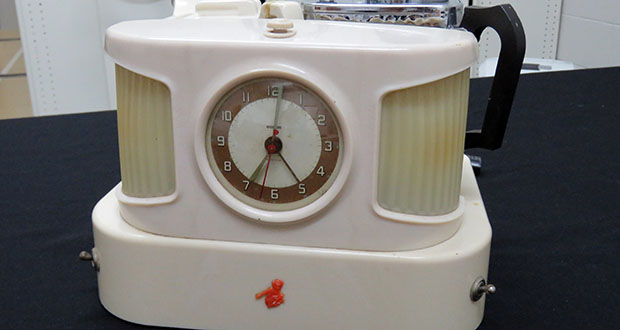
In the UK, a device known as a “Teasmade” gained popularity in the 1960s and 1970s. This alarm clock not only woke people up but also brewed tea, ensuring a fresh cup was ready upon waking.
27. Turkey is by far the largest consumer of tea per capita, with each person consuming over 3 kilograms of tea annually.
28. The Pentagon spent $170,000 on research to understand why people spill coffee while walking. The Pentagon later published this paper in 2012.
29. Swiss Miss, the first hot cocoa mix, was invented to use up excess coffee creamer that had been created for the Korean War.
30. Coffee naps, which involve napping for 15-20 minutes after drinking a cup of coffee, enhance caffeine’s effects by increasing the availability of caffeine receptors in the brain.
31 Boston Women’s Coffee Revolt

In Boston in 1777, during a coffee and sugar shortage, over 100 angry women marched to a wealthy merchant’s warehouse. When he refused to hand over the keys, they grabbed him by the neck, forced the doors open, loaded their carts with coffee, and left.
32. A Starbucks grande coffee contains 320 milligrams of caffeine-over four times the amount found in a Red Bull. Additionally, the Starbucks cinnamon chip scone has 480 calories, which is more than a McDonald’s Quarter Pounder.
33. Union soldiers received 36 pounds of coffee annually during the American Civil War. Interestingly, the word “coffee” appeared more frequently in their journal entries than terms like “war,” “bullet,” “cannon,” “slavery,” “mother,” or even “Lincoln.”
34. The inventor of the K-Cup coffee pods does not own a single-serve coffee machine. He admitted, “They’re kind of expensive to use… plus, it’s not like drip coffee is tough to make.” He also expressed regret over inventing them due to the waste they create.
35. A shot of espresso contains less caffeine than a full cup of regular coffee.
36 Coffee in California and Hawaii

Coffee can only be grown commercially in two U.S. states: California and Hawaii. Notably, the U.S. imports 90% of its coffee, primarily from South America.
37. An average 12-ounce (354-ml) cup of decaffeinated coffee still contains about 5.4 milligrams of caffeine.
38. In the 1800s, Americans consumed an average of 90 bottles of whiskey annually, which amounts to 1.7 bottles per week. At that time, whiskey cost only twenty-five cents per gallon, making it cheaper than wine, beer, tea, coffee, or even milk.
39. In Japanese, the word for “brown” is ?? (cha-iro), which literally translates to “tea color,” as the first character means “tea” and the second means “color.”
40. The caffeine in coffee beans is believed to act as a natural toxin to protect the plant’s seeds from herbivores. Interestingly, caffeine production evolved independently in coffee, cacao, and tea plants as a defense mechanism.
41 Robert Fortune: Tea Spy
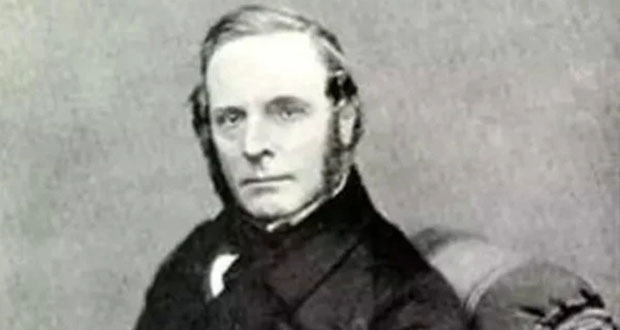
A Scottish botanist named Robert Fortune broke China’s monopoly on tea in the 1840s by disguising himself as a Chinese nobleman “from beyond the Great Wall.” He toured tea plantations and learned the secrets of tea production.
42. Black tea and green tea originate from the same plant. The key difference lies in processing, as black tea is fermented (oxidized) while green tea is not.
43. Thomas Sullivan accidentally invented tea bags in 1904. He sent potential customers small samples in silk bags instead of boxes, and the recipients assumed they were meant to be dunked. Orders for his “tea bags” soon flooded Sullivan.
44. In the past, people added milk to cups before pouring tea. Adding milk afterward was a sign of wealth, as low-quality porcelain would crack under the heat of the tea.
45. Tea provides a less jittery caffeine experience than coffee due to the presence of L-theanine and high antioxidant levels, which have calming effects.
15 Most Controversial & Costly Blunders in History
46 Tea for British Troop Morale

In 1942, the British government bought all the black tea available in the European market, deeming it essential for maintaining troop morale in North Africa.
47. Coffee flour, made from the discarded coffee cherry fruit surrounding the coffee bean, is gluten-free, high in fiber and protein, and utilizes a byproduct of coffee production, 75% of which is typically wasted.
48. Throughout history, coffee faced five major attempts at prohibition. The most notable was in 1777, when Frederick the Great of Prussia issued a manifesto claiming beer’s superiority over coffee, believing coffee interfered with the country’s beer consumption.
49. Porsche once manufactured a gasoline-powered tractor specifically for coffee farmers. Diesel fumes could alter the coffee’s flavor, prompting the creation of this rare industrial tractor.
50. Chicory has historically served as a coffee substitute. Frederick the Great’s ban on coffee in Prussia led to mass chicory production by 1795. Chicory drinks also became common in Napoleonic France and gained popularity in the Confederate states during the Union blockade.


RE: Fact #50 (Chicory: A Coffee Substitute) – Mischkaffee, that East German coffee substitute, had tons of chicory in it. I’ve read that people mostly drank it because coffee was hard to find, not because it tasted great.
RE: Fact #15 (Coffee and the Enlightenment) – Crazy how often people used to be hammered—a few sober geniuses taking a break changed everything.
RE: Fact #24 (Founding Fathers Opposed Tea Party) – Before the Continental Congress, most of the Founding Fathers weren’t keen on independence. Only a small, radical group really wanted it. Even John Adams was against the Boston Tea Party.
RE: Fact #9 (Arizona Iced Tea’s 99¢ Legacy) – High school students everywhere think they’re awesome.
College is super affordable.
RE: Fact #39 (Japanese Word for ‘Tea Color’) – The color orange? It’s named after the fruit, not those places in Western Europe. The whole “orange place/orange color” thing is pretty new, actually.
We used to call it “yellow-red,” which is way more descriptive, and we still use that kind of naming for other colors. The orange fruit itself comes from the Sanskrit word “naranga”—the “N” got lost in some languages, maybe because of how words change in speech or because of those European places already called “Orange.”
RE: Fact #50 (Chicory: A Coffee Substitute) – I once had this breakfast bar that totally tasted like coffee—turns out, it was made with chicory root.
It’s also used to make things sweeter. I learned the hard way – after my face blew up from eating a KIND bar – that if you’re allergic to ragweed, you gotta watch out for chicory root.
Chicory root really messes with my bowels. Lots of organic stuff uses it, and it’s terrible. Jerusalem artichokes do the same thing because of the inulin.
RE: Fact #33 (Coffee’s Role in the Civil War) – I read this guy’s story about being homeless during the Depression. You’d think food and a place to sleep would be his main concerns, but he went to way more trouble to get coffee, sugar, and milk.
Honestly, sugar and milk are lifesavers when you’re really hungry. We take sugar for granted now, but when you’re starving, energy is everything. Sugar’s full of carbs, which means energy. It’s actually more important than healthy food when you’re starving. That’s why wild animals go crazy for sugary stuff and ignore the healthy options. It’s also why, in “To Kill a Mockingbird,” that poor kid drowns his food in syrup during the Depression – the sugar was what he needed most.
RE: Fact #2 (Keurig Creator’s Caffeine Overdose) – Wow, that’s seriously addictive.
Seriously, I barely drink any coffee—a small cup’s enough for me. I’m always shocked seeing my coworkers go through two or more huge cups at work. Thirty cups? Whoa.
Seriously, it’s not the caffeine, it’s my bladder! No way I could drink that much early in the day and get anything done.
Caffeine’s a drug you get used to super fast. I hit the pre-workout before the gym, but take a week off every few months to really feel it again.
RE: Fact #35 (Espresso vs. Regular Coffee) – That seems pretty obvious, it’s got a ton of caffeine packed in there.
Around the late 80s, countertop espresso machines got cheap enough to be Christmas presents. They weren’t great, but they worked.
My dad got one, but he didn’t quite get how much espresso to make. He’d brew a whole thermos-full, reloading the thing a few times. Freshly ground beans every morning, too.
This went on for four or five months until he got a really bad ulcer and finally quit. I don’t think he was getting much sleep then.
RE: Fact #48 (Frederick’s Coffee Prohibition) – Coffee and beer are a surprisingly great combo.
Alcohol, beer, coffee – that’s the usual lineup.
RE: Fact #17 (Tea Drinkers Live Longer) – That’s total crap; everyone’s gonna die someday.
Two cups of tea a day could lower your risk of dying by 9% to 13%.
RE: Fact #30 (The Science of Coffee Naps) – Instead of coffee and a nap, how about a week-long bender on Jack Daniels?
Two drinks and you’re out for the count.
RE: Fact #35 (Espresso vs. Regular Coffee) – That’s why I get a quad espresso – gotta be prepared for anything.
I bet their home base is the toilet.
RE: Fact #16 (Nordic Countries’ Coffee Obsession) – Finland eats 26.45 pounds of it per person, but Italy only eats 13.
So, I guess that settles that. I thought Finns might be bigger than Italians, but they’re definitely not double the size.
RE: Fact #20 (McDonald’s Coffee Burn Lawsuit) – Hot Coffee’s a great documentary about this case, and it also talks about tort reform. It’s free on Tubi – definitely worth a watch!
RE: Fact #31 (Boston Women’s Coffee Revolt) – That Boston coffee party that not many people went to.
Let’s show those tyrants what we think! After coffee, of course.
RE: Fact #10 (Coffee and Bowel Movements) – So, it’s not quite that simple. Caffeine might play a part, but studies suggest it’s mostly due to a chemical made when coffee beans are roasted, 4-caffeoyl-1,5-quinide. A tiny amount of coffee—just one-fifth of a cup—has a strong effect opposing opioids. Opioids cause constipation, so their opposites do the opposite, even more than stimulants, which can go either way. Given how little 4-caffeoyl-1,5-quinide it takes, it probably also affects how coffee makes you feel, and why some people get anxious from it. Decaf coffee still loosens you up, which fits perfectly since this stuff isn’t removed when they decaffeinate.
RE: Fact #24 (Founding Fathers Opposed Tea Party) – Turns out, the usual story about why they tossed the tea overboard isn’t quite right. Most folks think it was just about taxes, but actually, the British government lowered taxes on their own tea, undercutting the colonists’ super profitable smuggled Dutch tea business. That’s the real reason for the tea party.
I looked into it after seeing that post, and some pretty important stuff was missing. Turns out, they replaced the lost tax money with a new tax on the colonists—the first direct tax from the crown. Colonists weren’t happy about being taxed without a say in the matter. It looks like it was less about the money and more about British control and that whole “no taxation without representation” thing.
Yeah, many tax laws actually cut taxes while making sure people paid them.
Plus, those tax hikes were to pay off war debts from the Seven Years’ War, which blew up in the colonies as the French and Indian War. The colonists, being kinda clueless, ignored the rules and pushed into French and Indian land. Basically, they started the war they’d later have to pay for. Talk about a dumb move!
The more you learn about it, the less sense the colonists’ rebellion makes. They should’ve just waited for things to improve, like their grandkids would want other people to do today.
I get why people were so mad about those Townshend Acts – especially the Suspending Act, the Quartering Act, and parts of the Revenue Act. It’s understandable. But honestly, that wasn’t really a good enough reason to start a war.
The real reason for American independence, I think, was that Americans wanted to expand without British limits, and American businesses were starting to compete with British ones. British trade policies were holding the colonies back.
The peace terms were so good for the Americans because, even with all the fighting and whatnot, British businesses and the government actually benefited more from American independence. They could invest freely in the US, and the government didn’t have to pay to defend the colonies anymore.
RE: Fact #9 (Arizona Iced Tea’s 99¢ Legacy) – My school sells them for two fifty.
Grab some from a local shop and sell them at school for a buck fifty.
RE: Fact #5 (East Germany’s Coffee Gamble) – Vietnam was already growing coffee, but East Germany really boosted their production. They went from a small player to the world’s second biggest coffee producer, expanding their farms from 600 to 8,600 hectares.
RE: Fact #46 (Tea for British Troop Morale) – Depriving the British of their tea? That’s never gone well, historically speaking.
I really respect how they get straight to the point when it’s 5 o’clock.
RE: Fact #24 (Founding Fathers Opposed Tea Party) – Historians say the Boston Tea Party rubbed a lot of American patriots the wrong way because it was an attack on private property. Washington himself wasn’t happy about it – he made it plain he didn’t approve of trashing all that tea. Franklin even offered to cover the East India Company’s losses! And get this, Adams – who most people think was one of the organizers – never fessed up.
RE: Fact #26 (Teasmade: Tea Alarm Clock) – I just learned that most people have never heard of a teasmade.
I’d never heard of it until I saw Tom Scott use it in one of his YouTube videos.
RE: Fact #19 (Caffeine Overdose in Wales) – Mansfield’s autopsy showed a crazy high caffeine level in his blood – 392 milligrams per liter! That’s way more than the 2-4 milligrams you’d find after a regular cup of coffee. Considering an adult has around 5 liters of blood, that means nearly two grams of caffeine got into his system.
RE: Fact #43 (Accidental Invention of Tea Bags) – Huh, I figured they’d be older.
RE: Fact #28 (Pentagon’s Coffee Spill Research) – We think some stuff is dumb because the fact’s unclear. They’d totally throw money at physics and human potential, though.
The paper’s got a ton of math in it, it’s really thorough. Plus, it was funded by a DARPA Young Faculty Award – basically, they’re getting junior researchers involved in national security stuff. The project was about “Low-Dimensional Modeling and Identification of Finite-Amplitude Instabilities in Complex Systems,” and there’s a few mentions of rocket fuel in the paper, so coffee seems like a pretty good stand-in for the actual topic. Basically, DARPA was probably trying to get friendly with this researcher early on, hoping to use their math skills for national security work down the road.
Sounds kinda dumb initially, but it’s worth checking out. If you can figure out how to keep your upper body steadier while moving around, you can probably use that to improve your shooting. Just add that to the training, and it’ll pay off big time.
Then use that info to teach robots.
That video of a shrimp on a treadmill? You’ve probably seen it – that Oklahoma senator used it to bash government research, right? Sounds dumb at first, I know. But the whole thing was built from spare parts, and the study was actually about keeping shrimp populations healthy. Think about it – tons of jobs depend on those fisheries. Understanding shrimp is pretty important! The senator just wanted to make federally funded research look bad. The video looks silly, unless you dig a little deeper and find out what the scientists were actually doing.
That senator’s report claimed the shrimp treadmill research cost half a million dollars. But that money actually funded a bunch of different studies on this super-important seafood. The treadmills were a tiny part of it, used to see how shrimp handle changes in water quality. The first one was practically free – made from scraps! The second cost about $1,000. The senator’s report was totally misleading, making it seem like a huge chunk of cash was spent just to see how long a shrimp could run. It was totally out of context.
RE: Fact #34 (K-Cup Creator’s Regret) – Lots of stuff like that exists. Turns out, plastic cutlery’s a massive problem in India, and plastic water bottles are a huge waste issue globally. Expect to see tons of projects tackling better options for everyday items.
RE: Fact #1 (TV Breaks and Power Surges) – Thirty years ago, things were different. Now, the power grid’s way better, everyone binge-watches, and shows are basically nonstop.
Lots of people still watch soaps on weeknights, so it makes sense. Britain hasn’t changed *that* much, maybe younger folks have, but plenty of older people are still watching regular TV like they did 30 years ago, sipping tea during the commercials. Factrepublic users might forget that.
It still happens during halftime for national team games.
Yeah, I get it, but it still seems odd. Tea and football just don’t go together in my mind.
RE: Fact #10 (Coffee and Bowel Movements) – Why’s coffee more effective than a triple-caffeine Monster?
Melanoidins are the reason why decaf coffee does the same thing.
RE: Fact #2 (Keurig Creator’s Caffeine Overdose) – His heart was buzzing like crazy.
RE: Fact #18 (Sweet Tea as a Wealth Symbol) – Down South, we’d make sweet tea by boiling the heck out of it with tons of sugar. Then, as it cooled, all that extra sugar would sink to the bottom, so we’d pour off the sweet tea and serve it ice cold. I worked at a BBQ joint in Birmingham back in the 70s, and that’s exactly how we did it. We even put two pig ears on every sandwich! That old Tired Texan always said, “Never skimp on your ingredients.”
So you end up with rock candy, ice, and regular tea?
It’s way too sugary. If you just dump sugar in your tea without properly dissolving it, you’ll end up with some seriously awful tea – not sweet tea at all. You’ll get some serious side-eye in the South for that.
RE: Fact #41 (Robert Fortune: Tea Spy) – The Byzantine Empire even snuck silkworm eggs out of China, hiding them in bamboo tubes.
Back when the Byzantine Empire had spies everywhere, they were seriously powerful. It’s a shame how they fell apart over time.
I’m so glad they went down fighting instead of just collapsing like so many other empires did. It’s wild that the last Romans used actual cannons defending Constantinople – that really shows how long-lasting and powerful their empire was.
Historian John Haldon called it “The Empire That Wouldn’t Die.” It *did* eventually fall, of course, but only after weathering tons of near-death experiences over hundreds of years – stuff that would’ve wiped out most other empires.
RE: Fact #20 (McDonald’s Coffee Burn Lawsuit) – I can’t believe people are still saying this lawsuit was frivolous and should’ve been dropped. It’s mind-boggling how regular folks are defending those greedy, incompetent corporations.
Seriously, I thought this case was crazy at first. But then I learned more – the coffee was super hot, her burns were awful, and she wasn’t even asking for a fortune, just her medical bills and lost pay. McDonald’s only wanted to give her a tiny fraction, though, so it went to court, and she won way more than she initially wanted.
To be fair, lots of lawsuits against big companies are bogus, so it’s easy to see why people thought this was one of them.
RE: Fact #32 (Starbucks Caffeine and Calories) – Does this make me want Starbucks or not? It’s like that Supersize Me movie – I was craving a Big Mac afterwards!
RE: Fact #27 (Turkey’s Tea Consumption Lead) – Ireland and the UK, haha. It’s all about the tea and biscuits over there – that’s their solution to everything!
RE: Fact #32 (Starbucks Caffeine and Calories) – Starbucks Grandes are bigger than Red Bulls, right? A Grande’s 16 ounces, Red Bull’s only 8. But Red Bull has twice the caffeine. That’s not necessarily a bad thing, though.
That scone thing is ridiculous. It’s a sugary, heavy pastry. If someone thinks that’s healthier than a cheeseburger, they probably aren’t worried about calories anyway.
And I have no idea where they got their numbers, but Starbucks says their Cinnamon Chip Scones are 480 calories, and McDonald’s says their Big Macs are 530.
Whoops, my bad. Quarter Pounders are 520 calories.
RE: Fact #34 (K-Cup Creator’s Regret) – Seriously, nobody uses the refillable kind?
I got mine at Fry’s for, like, five bucks and they’ve lasted me over six months.
I mostly use it to heat water—I’m too lazy for the microwave.
Need hot water for tea? I’ve got you covered.
Oatmeal? Yep.
Grits? Yep.
Want to throw some at your roommate? I’ve got you covered.
Electric kettles: They’re way more common in the UK, but you won’t believe how handy they are once you use one a bunch.
But then you lose the one thing it had going for it over a drip coffee maker.
RE: Fact #25 (Earl Grey: Tea and Reforms) – That’s what the Star Trek captain drinks.
Hot Earl Grey tea.
I’m a big fan of Picard insisting his tea be piping hot. It’d be hilarious to see a whole TNG episode about the replicator serving him cold Earl Grey – the crew would be dealing with that mess all episode long!
The Federation wouldn’t exist without him.
RE: Fact #2 (Keurig Creator’s Caffeine Overdose) – Reminds me of Eisenhower. The guy downed, like, twenty cups of coffee and three packs of cigarettes daily. Crazy he even made it to the presidency!
Teddy Roosevelt was a serious coffee drinker – a whole gallon a day! And get this, Voltaire? Supposedly 40 or 50 cups daily. Some folks are just crazy about coffee.
Roosevelt’s secret weapon? He didn’t touch alcohol like most guys back then, but he guzzled coffee. While everyone else was a little tipsy or slow, he was buzzing around like crazy.
Churchill and those guys drank a ton every day! They were wild.
My grandpa worked at NBC, and the easy access to booze—a waitress wheeled a drink cart around from 10 AM!—really got to him. He told me he’d easily polish off five martinis by lunchtime.
This is how I run my business.
RE: Fact #39 (Japanese Word for ‘Tea Color’) – Brown in Indonesian is coklat. That’s a cool word, huh?
RE: Fact #50 (Chicory: A Coffee Substitute) – So that’s why chicory’s so big in New Orleans. I’d never even tried it before I went there!
Do they put chicory in the coffee at Cafe Du Monde?
Yeah, you can find Cafe Du Monde chicory coffee in cans at most grocery stores.
RE: Fact #31 (Boston Women’s Coffee Revolt) – Just like regular criminals, then?
RE: Fact #29 (Swiss Miss: A Wartime Innovation) – Back in the late 50s, Charles Sanna had a mountain of coffee creamer. His family’s dairy company, Sanna Dairy Engineers, had made way too much supplying powdered creamer to American soldiers during the Korean War. He needed to use it all up – and he came up with a yummy idea!
So, he started experimenting in his Wisconsin kitchen, getting his kids and some local kids to try his creations. He mixed powdered creamer, cocoa, sugar, vanilla, and hot water, and finally got a great chocolatey drink. He kept tweaking it, even using powdered milk instead of creamer to make it last longer. That drink, Swiss Miss, became a huge hit in grocery stores and basically started the whole instant hot chocolate craze in America.
It’s funny, Swiss people give me funny looks when I ask about Swiss Miss. It’s actually from Wisconsin!
Seriously, I had no idea! I thought it was some fancy Swiss food.
RE: Fact #40 (Caffeine: Nature’s Defense Mechanism) – Caffeine tricks bees into liking it, kind of like how pigs have amazing sniffs. But a pig’s best smell is a dead body – a group of sixteen can eat a 200-pound body in just eight minutes! That’s two pounds of raw meat per pig, per minute. No wonder they say “greedy as a pig.”
RE: Fact #20 (McDonald’s Coffee Burn Lawsuit) – Liebeck tried to get McDonald’s to pay her $20,000 for her medical bills and lost wages – about $18,000 already spent and expected – but they only offered $800.
RE: Fact #7 (Tea: The World’s Favorite Drink) – Water’s still number one! Lots of people skip it, though.
Wow, I’ll never forget the first time I met someone who didn’t drink water! I was totally blown away. I guzzle water all day long – always have. It’s so refreshing and energizing.
It’s a lifesaver.
RE: Fact #16 (Nordic Countries’ Coffee Obsession) – For awesome espresso, try Helsinki.
Wow, that Stockholm beer my buddy got is amazing!
Wish someone could crack a Stockholm syndrome and coffee joke for this crowd – I’m terrible at jokes!
RE: Fact #33 (Coffee’s Role in the Civil War) – Shelby Foote said Union soldiers always had coffee and Confederate soldiers always had tobacco—proof that secret trading was constant during the war.
The South really wasn’t into coffee during the war. The Union blockade stopped their coffee supply. So, while Union soldiers got their coffee, Confederate soldiers had to make do with whatever they could find, like roasting things like rye or sweet potatoes to make a caffeine-free, warm drink. They even traded with Union soldiers sometimes when there wasn’t fighting.
It’s hilarious that the South had the only caffeinated plant in North America, growing wild everywhere.
That same plant’s now a hipster drink from Austin to Nashville, and it’s still growing everywhere!
It’s not unusual in wartime, especially civil wars, to see soldiers from opposing sides hanging out when their officers aren’t around. A great example is Caesar’s civil war, specifically the Battle of Ilerda. Both sides were Roman, and Caesar basically won because he played along with this mingling. Soldiers fetching water started chatting, asking about family, and wondering why they were fighting each other – the war was new, and many probably didn’t know what it was all about. They hadn’t really chosen their sides; they just ended up with whichever general they’d been with before the war. This mingling grew, with a big group of soldiers just relaxing by the river. Pompey’s side freaked out, sent cavalry to break it up, and chase off Caesar’s guys. This was probably because Caesar was more popular, and they feared desertions. The cavalry did chase them off, but some Caesar supporters hid with Pompey’s troops and made it back to camp. Pompey’s side had strict rules against Caesar’s troops entering their camp. Caesar, however, opened his camp to everyone, letting Pompey’s soldiers come and go as they pleased. Some defected, Pompey panicked, retreated, and Caesar, with his superior mobility, easily won all of Spain.
RE: Fact #38 (19th-Century Whiskey Over Coffee) – If I’m doing the math right—big if—that’s basically two bottles of whiskey for five bucks.
I’ve messed around with a few inflation calculators, and they’re not great for anything before 1900. They only look at a few basic things, but miss a ton of other stuff. Like, back in the 1830s, a worker spent about 60% of their pay on food – basic stuff, not fancy fruits or anything. So, those calculators can’t really tell you what a dollar was worth back then. They’re probably better at tracking salaries or the stock market.
Never thought I’d feel like I was born in the wrong generation before.
RE: Fact #36 (Coffee in California and Hawaii) – Back in ’96, I found out that Panama and Costa Rican coffee are just as good as Kona – even the pros couldn’t tell the difference! It’s decent coffee, but the price is crazy high because of US import costs. Personally, I prefer a good Guatemala Antigua or Huehuetanango.
Climate change is gonna make coffee beans super rare, it’s crazy!
Let the coffee wars begin!
I bet they’ll just be grown somewhere else, or maybe they’ll be tweaked genetically.
RE: Fact #13 (Global Tea Terms: Te vs. Cha) – One for Cha, two for Te.
RE: Fact #42 (Black Tea vs. Green Tea) – All tea’s from the same plant, it just depends when they pick it.
So, yeah, “tea” usually means black tea, but rooibos and herbal stuff get called tea too, even though they’re not really. Can be a bit tricky, I guess.
Marx only drinks herbal tea; he thinks real tea is stealing.
RE: Fact #44 (Milk Before Tea: Wealth Symbolism) – I majored in art, focusing on ceramics. This is my chance to show off! 🙂
Porcelain’s a high-fire clay—you need crazy heat to make it. China figured out how to make kilns hot enough, but kept it a secret to keep a porcelain monopoly. Their porcelain was way better than what Europe had: stronger, lighter, less prone to cracking, and whiter.
Clay is basically silica with a metal added to lower the firing temperature. Think leaded glass—lead’s a flux because it melts easily. Most European clays used iron, making them darker. China used calcium, which made their ceramics super white and strong, but it needed a super-hot kiln.
Chinese porcelain became a huge status symbol, creating major demand in Europe. But without the tech, they made cheap knockoffs that cracked easily. Since the English mostly drank tea with milk, poor folks poured milk first to avoid cracking their teacups. This became a class thing; adding milk first meant you were poor and unrefined.
Even after Europe figured out how to make high-fire porcelain, the milk-first stigma stuck around.
So yeah, I’m a total ceramics nerd—ask me anything!
RE: Fact #33 (Coffee’s Role in the Civil War) – Maybe General Sherman got a little carried away with the coffee roasting?
RE: Fact #45 (Tea’s Calming Caffeine Effect) – It’s got way less caffeine—like, a quarter of the amount—in an 8-ounce cup. That’s probably the real reason.
RE: Fact #16 (Nordic Countries’ Coffee Obsession) – Four months of no sun? You’ll need some serious motivation to get up in the morning.
RE: Fact #37 (Decaf Coffee Still Contains Caffeine) – Non-alcoholic beer is typically around half a percent alcohol.
Yeah, that’s the most alcohol it can have to still be called non-alcoholic.
RE: Fact #38 (19th-Century Whiskey Over Coffee) – The main thing was settling the Ohio River valley. Farmers grew lots of grain, but couldn’t easily get it to market. Getting it to the Mississippi meant it could go to New Orleans and then on to the East Coast, but that wasn’t easy. Getting it there overland was impossible before trains.
Turning the grain into whiskey was smart—it made it more valuable and easier to ship, plus it wouldn’t rot.
So, the whiskey rebellion started partly because whiskey was super popular and lasted a long time, so people just used it like money. The new government slapped a tax on it to make some cash, and farmers weren’t happy about that at all.
We don’t appreciate your liquor tax shenanigans around here.
Wow, I’d heard of the Whiskey Rebellion, but I never connected it to all this before.
RE: Fact #46 (Tea for British Troop Morale) – A crazy fact: 4 out of 10 British tank crew guys in WWII died *outside* their tanks, mostly while making tea! The Centurion tank, showing up in August ’45, had a built-in kettle – and that saved more lives than better armor ever could.
RE: Fact #6 (Coffee: Satan’s Bitter Invention?) – After the Battle of Vienna, coffee wasn’t just for fancy folks anymore. The Ottomans left tons of coffee behind when they ran off, so the Viennese grabbed it and started selling it in coffee shops. That’s also when they invented the croissant—a half-moon pastry to go with the coffee, even copying the Ottomans’ crescent moon flag! Their catchy slogan was: “Come eat and drink the Turk!”
To save others the same Vienna letdown I had: That “croissant” was actually a kipferl – a croissant-shaped brioche, totally different from the Parisian pastry we know today.
RE: Fact #43 (Accidental Invention of Tea Bags) – That’s how people started the weird tradition of dropping their testicles on a sleeping friend’s forehead.
Oh, it probably had a different name, maybe something like “foreballing”.
RE: Fact #22 (Voltaire’s 40-Cup Habit) – He drank a ton of caffè mocha every day.
Nah, probably not 40. Caffeine overdose starts around 1600mg, and that’s a lot of espresso (one cup’s got 64mg). It peaks in your system after 4 hours and hangs around for 12. So even if he’s used to a lot of caffeine, chugging 20 cups in 4 hours would make anyone feel awful.
Some people can handle tons of stimulants, but most folks who keep abusing this stuff end up with heart problems much earlier than they should.
If you’re on your tenth cup of coffee right now, maybe take a break?
Perhaps the coffee wasn’t very strong then.
My coffee’s all shaky, and I didn’t ask for that!
It’s a 40-caffe mocha – basically espresso in hot chocolate, maybe 30-40mg per cup. Add in smoking, and the effects hit harder and faster.
And it’s only my *eighth* cup, not my tenth!
RE: Fact #19 (Caffeine Overdose in Wales) – Sounds like he messed up measuring—maybe tried for 200 or 300 milligrams but ended up with 20 or 30 grams. That’s like, ten huge spoonfuls! How’d he even get that much powder into a drink without noticing something was wrong? Probably wasn’t a pleasant experience.
He made his own energy drinks, messing up the caffeine labels. He just threw in some mystery powders and figured it was all good.
RE: Fact #11 (Coffee’s Role in Fighting Gout) – I have gout and I’m a coffee fiend. I didn’t even bother reading the whole factrepublic thing, I’m just believing it.
I don’t have gout, but I still think it’s true.
I drink coffee, but I’m trying to avoid getting gout. I just believe it’s possible.
RE: Fact #14 (Boston Tea Party’s Coffee Shift) – They had to switch to coffee—the British East India Company embargoed tea, so coffee was all they could get.
RE: Fact #49 (Porsche’s Coffee-Safe Tractor) – Why do so many big engines use diesel?
RE: Fact #42 (Black Tea vs. Green Tea) – It happens.
It’s oxidation, simple as that! Just like how an apple browns when you bite it. The Brits got it wrong way back when. I should know, I run a tea company.
RE: Fact #8 (Swedish Coffee vs. Tea Experiment) – Picture that king in a modern city, seeing a Starbucks on every block.
He couldn’t swing it.
Even Jeff Bezos couldn’t hit every Starbucks, I bet.
RE: Fact #17 (Tea Drinkers Live Longer) – Hey everyone, before you start pointing out other things that might be affecting the results, take a look at the study itself. Good studies always account for other variables and talk about things that could be confusing the results, plus how the things might actually be related. It’s not as straightforward as just saying correlation and causation aren’t the same thing.
If I can’t keep saying “Correlation doesn’t mean causation” on every factrepublic fact about science, how will I show I’m smarter than actual scientists?
RE: Fact #19 (Caffeine Overdose in Wales) – Was it like that Futurama episode where time stops?
RE: Fact #5 (East Germany’s Coffee Gamble) – I was blown away by how big coffee is in Vietnam when I moved here. Starbucks wouldn’t stand a chance – there are like six amazing coffee shops on every street corner, all cheaper and better.
RE: Fact #22 (Voltaire’s 40-Cup Habit) – He lived to be 83 using 1700s medicine—pretty amazing, huh? I bet someone on factrepublic is itching to mention “survival bias,” but I got there first!
RE: Fact #25 (Earl Grey: Tea and Reforms) – There’s a big debate about how Earl Grey tea actually got started. Some folks reckon it was a bit of a sneaky trick to sell cheaper Indian tea as fancy Chinese black tea – the Chinese stuff already had a bit of a citrusy flavor, so it worked pretty well.
I’m not sure if it was a scam, but anyone who knows anything about this stuff wouldn’t mess with high-quality products like that.
Wait, you’re saying Starbucks drowns their coffee in cream, milk, sugar, and flavoring to hide the burnt taste? Seriously?
RE: Fact #9 (Arizona Iced Tea’s 99¢ Legacy) – A couple years ago, I was in a friend’s wedding party, and we went way overboard at the rehearsal dinner. Next morning, I had a killer hangover and was chugging water like crazy. I probably drank two gallons of Arizona Iced Tea before the wedding. Right as the ceremony started, I had to pee SO bad. I didn’t want to make a scene or upset my friend, so I tried to hold it, but I couldn’t. Twenty minutes later, I felt it – Arizona Iced Tea waterfalling down my leg. People in the pews gasped, cried, and laughed. It was the most embarrassing thing ever, and I haven’t been to a wedding since. I’m even seeing a therapist now to deal with it.
RE: Fact #14 (Boston Tea Party’s Coffee Shift) – Looking forward to those interesting “Freedom Fries” facts.
Based on this, I’d say it’ll take around 250 years.
See you in 250 years!
RE: Fact #23 (Dunkin’s Aroma Ad Campaign) – That’s seriously wrong.
RE: Fact #48 (Frederick’s Coffee Prohibition) – So, Mecca banned coffee way back in 1511 because the bigwigs thought it made people too rebellious. Italian priests in the 1500s also tried to ban it, calling it evil. But then Pope Clement VII became a fan and had it blessed in 1600! Things got even crazier when Murad IV became the Ottoman leader in 1623 and started punishing coffee drinkers—beatings and being tossed in the sea! Sweden even banned coffee stuff like mugs in 1746. And finally, Frederick the Great of Prussia preferred beer and basically declared it better than coffee in 1777, worried it’d cut into beer sales.
Coffee baptism? Pretty wild.
RE: Fact #21 (Haiti’s Coffee Support for Greece) – Some historians say Boyer sent the Greeks 25 tons of Haitian coffee to sell for weapons, but there’s not much proof of that, or of a hundred Haitian volunteers going to fight in the Greek Revolution. Rumor has it their ship was attacked by pirates in the Mediterranean, and they never made it.
Richard J. Evans says those volunteer soldiers ended up re-enslaved in the Mediterranean—a really awful fate, especially since Haiti had just gotten rid of slavery.
Haiti’s history is just one long, terrible tragedy. They’ve gotten the raw end of the deal again and again.
No way, that’s too depressing. Seriously, those people who believed so strongly in freedom… man.
RE: Fact #47 (Coffee Flour: A Sustainable Option) – Is it any good, or is it awful?
RE: Fact #31 (Boston Women’s Coffee Revolt) – Boston’s always buzzing with something hot to drink.
RE: Fact #27 (Turkey’s Tea Consumption Lead) – Turkish tea’s usually brewed super strong, way more leaves than other teas. I wonder if that changes if we looked at it per cup instead of by weight.
RE: Fact #21 (Haiti’s Coffee Support for Greece) – The first caffeine-fueled revolution.
RE: Fact #19 (Caffeine Overdose in Wales) – Wow, I thought I read somewhere that a lethal dose was around 11 grams – I always figured you’d throw up before you got anywhere near that much. I didn’t realize you could just buy caffeine powder so easily, though.
I’ve heard of people drinking super-strong coffee and feeling invincible for a bit…then the nausea hits and it’s all about damage control.
I’ve heard of people chugging super strong coffee and feeling like they could conquer the world for, like, the first thirty minutes.
Oh, and that thing about the guy who drank a hundred cups and time slowed down? Yeah, that was Futurama.
Years back, when I found out you could buy pure caffeine powder, I immediately thought, “Easy way to die – just a little miscalculation.” And getting others to do it unintentionally…
About your second point, coffee’s super acidic, that’s why it zooms through you. I take caffeine pills – about two cups of coffee’s worth – and they don’t even bother my stomach like black coffee does.
He was using a kitchen scale, good for 2 grams to 5 kilograms, to measure tiny amounts – like 2 to 300 milligrams. It just couldn’t handle it.
Amazon pulled it because some kids overdosed and died. They thought it was harmless, but too much of anything’s bad for you.
Limitless would’ve been way more interesting if it was just Bradley Cooper desperately hunting for a bathroom for half an hour, trying not to lose it.
A clean toilet’s not a big deal if you’re painting the inside, right? Much better than painting your pants!
RE: Fact #42 (Black Tea vs. Green Tea) – It’s not fermented, it’s oxidized. Pu’erh tea is the fermented kind. The main tea types are white, green, oolong, black, and dark tea (Pu’erh is a dark tea). There’s also yellow and purple tea, but those are pretty rare and a bit more complicated to explain.
All these tea types have tons of sub-types—think of them as different recipes. For example, there’s Wuyi rock oolong, Tieguanyin oolong, Jin Jun Mei black tea, Tai Ping Hou Kui green tea, and Bai Mudan white tea. There’s a whole world of tea to explore, especially when you get into aged teas, harvests from different years and seasons, where it’s grown, and even the specific tea plant varieties.
RE: Fact #12 (British Opium Trade for Tea) – So, China said no to opium, but Britain basically forced them to take it anyway with their navy.
RE: Fact #47 (Coffee Flour: A Sustainable Option) – Duh, it’s gluten-free. Most things without wheat are. It’s like saying it’s lead-free, too.
RE: Fact #26 (Teasmade: Tea Alarm Clock) – That goblin teasmade in the pic is the budget version; the pricier one has a clock. You set your wake-up time, and five minutes before, it boils water, whooshing it into the ceramic pot (where you’ve already added your tea). Then, *bing*, the alarm goes off. They fell out of favor after a few house fires—people forgot to add water and bypassed the safety features. Plus, everyone started drinking coffee.
RE: Fact #49 (Porsche’s Coffee-Safe Tractor) – Gasoline tractors? Pretty common. Except for the Porsche ones, those are special.
I’ve never actually seen a gas-powered tractor before. I’ve seen tons of diesel ones, though—like, hundreds or even thousands. Seems pretty unusual to me.
Older tractors usually run on gas, but most new ones use diesel.
My lawnmower’s got a sticker saying it’s a tractor, and it runs on gas.
RE: Fact #10 (Coffee and Bowel Movements) – So, it turns out decaf coffee does almost the same thing as regular coffee, which means there’s probably something else in coffee beans besides caffeine that gets your gut moving.
EDIT: Yeah, I know decaf still has a tiny bit of caffeine. The scientists know that too. But even so, the effect on your stomach is way bigger than you’d expect from that little caffeine, so there’s clearly more to it than just caffeine.
RE: Fact #17 (Tea Drinkers Live Longer) – So, we’re practically immortal here in the UK. Only too much rain, or anything more lively than a gentle breeze, could actually do us in.
I just read this thing, and British weather is super mild! Seriously, it’s only been really hot or really cold a few times ever. No earthquakes, tornadoes, wildfires, hurricanes, or anything crazy like that to worry about.
But, they don’t mention how damp and bone-chillingly cold it gets here. Nine months of that, no sun…you won’t actually die, but you’ll wish you had.
Mainland Europe has way better summers; that’s why all the wealthy folks don’t stick around here. Chilly, predictable weather is way worse than you think.
RE: Fact #22 (Voltaire’s 40-Cup Habit) – Those cups were way smaller than they are now.
So I guessed the lethal coffee dose was around 53 cups, meaning the cups were probably small. Whoops, I should’ve checked online first – it’s actually 75 to 100 cups for someone weighing 80kg. That’s getting close to the point where all that water might kill you before the caffeine does!
I bet a little tolerance would really raise that LD50.
So this guy, Philip J. Fry, downed 100 cups once and was pretty rough afterward, but he lived! Fifty-three cups shouldn’t be *that* bad, right?