


English is a language full of subtle distinctions that can easily confuse even the most fluent speakers. In this second part of our series, we delve into 50 more pairs of commonly confused words, explaining their differences and how to use them correctly. Whether you’re a language learner or a native speaker looking to refine your skills, this guide will help clear up some of the most common language pitfalls.
Missed Part 1? Click here to explore 50 more word differences!
1 Farther vs. Further Explained

The difference between farther and further is that “farther” refers to an actual physical distance, while “further” is used for figurative or abstract distance that cannot be easily measured. For example, “He furthered his education” and “The homes were farther apart.”
2 Maze vs. Labyrinth Distinction
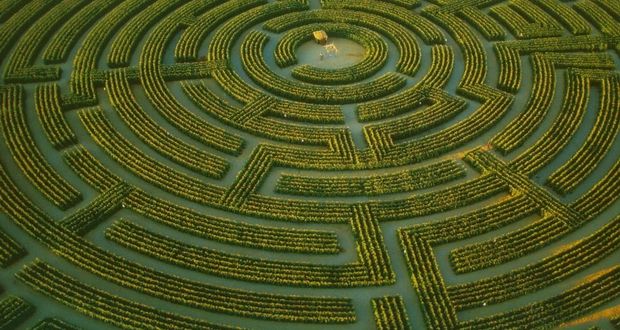
The difference between a maze and a labyrinth is that a maze is a puzzle with an entrance and an exit, featuring wrong turns designed to confuse you. A labyrinth, on the other hand, is a meditative path with one entrance that always leads to the center.
3 Stamina vs. Endurance Differences

The difference between stamina and endurance is that stamina refers to the amount of time one can perform an action at maximum capacity (e.g., sprinting), while endurance refers to the maximum amount of time one can sustain an action over a longer period (e.g., running a marathon).
4 Jr. vs. II Naming Conventions

The difference between “Jr.” and “II” is that “Jr.” is used when a child has the same name as their father, while “II” is used when the child takes the name of a family member other than their father.
5 Types of Wetlands Compared

The difference between different types of wetlands is that a bog is acidic, while a fen is alkaline. A swamp is characterized by vegetation that consists of trees or other woody plants, whereas a marsh has non-woody vegetation such as grasses and reeds.
6 Dinner vs. Supper History
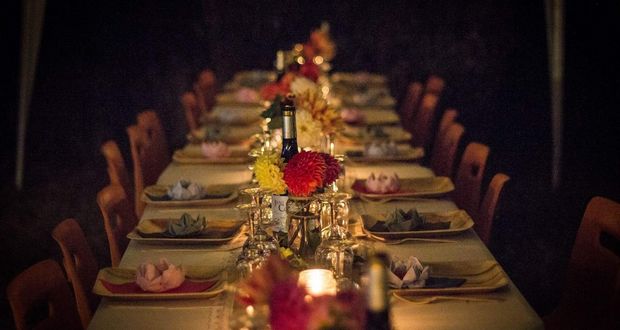
The difference between dinner and supper is that historically, dinner was the largest meal of the day, and lunch was actually called dinner. Over time, dinner gradually moved later in the day, eventually overlapping with supper, which became the lighter meal in the evening.
7 Black Tea vs. Green Tea
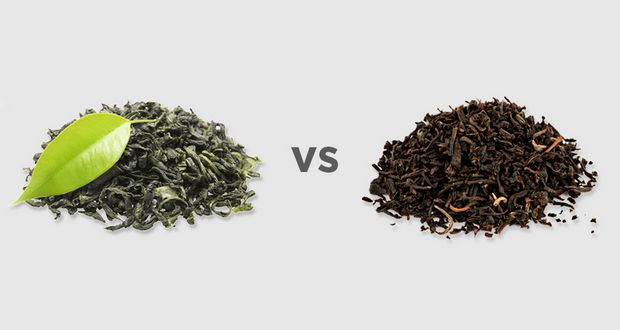
Both black and green tea originate from the same plant. The key difference is that black tea undergoes fermentation.
Latest FactRepublic Video:
15 Most Controversial & Costly Blunders in History
8 Whiskey vs. Whisky Origins

The difference between whiskey and whisky is that whiskey (with an ‘e’) refers to grain spirits distilled in Ireland and the United States, while whisky (without the ‘e’) refers to grain spirits from Scotland, Canada, or Japan.
9 Mbps vs. MBps Internet Speeds

The difference between Mbps and MBps is that when internet providers advertise speeds of up to 100 Mbps, they are referring to Megabits per second, not Megabytes per second. Since one megabyte equals eight megabits, a speed of 100 Mbps is equivalent to 12.5 MBps.
10 Caribou vs. Reindeer

The only distinction between caribou and reindeer is domestication; caribou are wild, while reindeer are domesticated.


RE: Fact #26 (Shock vs. Electrocution: Outcomes) – So, a while back at this huge Boy Scout thing, some guys and their leaders got zapped pretty bad while setting up camp. I asked if they were gonna be alright, and the guy telling me the story just looked back and said, “You can’t survive being electrocuted.” It’s something I think about pretty often.
RE: Fact #11 (Violin vs. Fiddle Explained) – One’s got strings, the other’s got strangs.
RE: Fact #14 (Cupcakes vs. Muffins: Mixing Methods) – Honestly man, it’s that frosting that gives it away. No matter how you mixed it, if a muffin’s got frosting, everyone’s gonna call it a cupcake.
So, if I skip the frosting on the cupcake, can I just call it a muffin?
Yep
RE: Fact #17 (Robbery vs. Burglary Defined) – Burglary is a type of theft, but not all burglary is theft. Breaking into a place with the plan to steal is burglary, regardless of whether you actually steal anything.
Theft can sometimes be robbery, but not always. Robbery is when you steal something and use force or threaten to use force.
Some theft isn’t burglary or robbery. And some burglary isn’t theft. Robbery always includes theft, but theft doesn’t always involve robbery.
Make sense? Awesome.
Let’s give this another shot.
Larceny basically means theft – taking someone else’s stuff without asking and meaning for them to never get it back. There are usually a bunch of different types of larceny, and they all come with different punishments.
For instance, stealing a car is called grand theft auto. Taking someone’s credit card details is credit card theft. If you steal something worth a little bit, it’s petit larceny. If it’s worth a lot, it’s grand larceny. The exact terms and rules can differ depending on where you live.
Burglary is when you break into a building with the intention of committing a crime, even if you don’t end up committing it. “Breaking in” can even mean just walking through an unlocked door, not necessarily forcing your way in. Depending on the area, a “structure” could be a car, truck, boat, or any vehicle. The crime you intend to commit doesn’t have to be theft; it can be any felony like arson, murder, rape, or kidnapping.
Robbery is larceny plus the use or threat of force.
I’ve got some questions for the pros:
If I go into someone’s house without permission to steal $50, and that’s it, would that still count as burglary, even though stealing $50 is usually a minor offense, not a major crime?
What about going into a store when it’s open to steal $50 or less worth of stuff? Is that burglary?
And if I walk into a bank during business hours to steal thousands of dollars – way more than enough to be considered grand larceny – and I do it by threatening the teller, is that burglary, larceny, *and* robbery?
In some places, burglary means breaking and entering with the intent to commit *any* crime, not just a felony. So, in some areas, walking into a grocery store when it’s open to shoplift candy could be considered burglary. And in those same places, walking into a bank to commit a bank robbery could also be seen as burglary.
RE: Fact #19 (Poisonous vs. Venomous Animals) – Not really. Lots of sea creatures sting you with their venom instead of biting. The poison dart frog is kind of the same – even though it’s technically poisonous, people think of it as super venomous because the poison gets put on darts and used as a weapon by humans.
So, a clearer way to put it is: poison does its damage when you eat it, while venom works when it’s injected.
RE: Fact #9 (Mbps vs. MBps Internet Speeds) – Can you even imagine how agonizingly slow dial-up was at 56 Kbps?
I recall having to wait a good while for a website to pull up pics that weren’t super clear.
I recall my Hayes 2400 modem painstakingly loading a Playboy pic from a BBS, showing it line by line. It was a rush when the top of the nip*les finally showed up.
RE: Fact #1 (Farther vs. Further Explained) – Think of it like this:
Farther is for actual distance, like how far away something is.
Further is more about metaphorical distance, like more information or progress. And
Father? That’s emotional distance.
RE: Fact #3 (Stamina vs. Endurance Differences) – So, the only source for this is some chiropractor’s blog.
RE: Fact #23 (SFX vs. VFX in Film Production) – SFX fire: flash paper and gasoline
VFX fire: a fire animation
RE: Fact #22 (Inland Seas vs. Lakes Formation) – So, that Wikipedia page isn’t quite hitting the mark. It’s funny how the whole inland sea vs. lake thing is both way more complicated and way simpler than you’d think. Over here in American English, we’re pretty much on the same page as Wikipedia with what an inland sea is. But if you look at British English, or a lot of other languages, it really comes down to whether it’s salty enough or if you can navigate it to get to the actual sea.
RE: Fact #3 (Stamina vs. Endurance Differences) – Honestly, I always figured Stamina was something you could use up and then get back, kinda like health or magic points, and Endurance was just something that showed up on your character’s stats.
RE: Fact #7 (Black Tea vs. Green Tea) – Nah, it’s not. Black tea is oxidized, but Pu’er tea is fermented. You usually can’t find actual Pu’er in the West unless you order it online. Pu’er isn’t really a big thing outside of Hong Kong, Guangdong, Yunnan, and Taiwan. Although, my mother-in-law from Korea drinks it to help with her cholesterol. Plus, I’ve been drinking it for ages and my cholesterol is super low, but anyway, I’m getting off track.
RE: Fact #14 (Cupcakes vs. Muffins: Mixing Methods) – Muffins are basically for those who feel a bit bad about having a cupcake first thing in the morning.
RE: Fact #31 (Diesel vs. Heating Oil) – If I’m not totally off, the penalty for using red diesel in your rig is a whopping 25 grand for every gallon! Oil crews do it all the time. They’ve got a massive tank of diesel at every drilling spot, so they just top off their trucks from there. I actually know a few people who haven’t shelled out for diesel in two decades.
RE: Fact #18 (Button-Up vs. Button-Down Shirts) – Every time you gotta poop, you also have to pee, but that’s not always the case when you just have to pee.
RE: Fact #5 (Types of Wetlands Compared) – A swamp can also give you black mana.
RE: Fact #10 (Caribou vs. Reindeer) – Pretty sure caribou and reindeer are the same critters, just a different name for them over in Europe.
It’s mainly because North America doesn’t really have many domesticated reindeer, but we’ve got plenty of wild caribou in pretty big numbers. Scandinavia, on the other hand, has a huge domestic reindeer population, almost as big as their wild caribou. The Sami folks depend on them a lot, kind of like how we rely on cows.
And then there’s elk. What we call moose over here in North America, Europeans call elk. The scientific name is *Alces alces*, and that’s where the name elk comes from. It’s also why wildlife experts sometimes use the word wapiti instead of elk – to keep things clear.
Here in Canada, moose and elk are actually two separate critters.
RE: Fact #15 (Nigerians vs. Nigeriens Origin) – Even though they’re right next to each other geographically, Nigeria and Niger’s economies are really different. Nigeria’s got the biggest GDP in all of Africa, while Niger is one of the poorest places on the continent.
RE: Fact #17 (Robbery vs. Burglary Defined) – So, that’s why Bilbo’s a Burglar, not a robber. He wasn’t planning on waking up the dragon.
RE: Fact #17 (Robbery vs. Burglary Defined) – How about assault and battery?
Or libel and slander.
RE: Fact #11 (Violin vs. Fiddle Explained) – Also, the bridges are different. Violin bridges are curved, making it easier to play one string at a time. Fiddlers usually use flatter bridges because they often play multiple strings at once. It’s in the article, but I’m putting it here for anyone who doesn’t read it, since you skipped over it.
You’re a lifesaver.
RE: Fact #6 (Dinner vs. Supper History) – So, over in the UK, people get kinda split on what they call their meals. You’ve got folks who say breakfast, lunch, and dinner, then others who go with breakfast, dinner, and tea. And don’t even get me started on the breakfast, lunch, and supper crew.
RE: Fact #16 (Herbs vs. Spices: Plant Parts) – Back where I grew up, they just call it “coriander” and “coriander seed.” It took me some time to get what Americans were on about.
“An herb” is a pretty common way people say it in America, too.
Here’s my upvote for you! That ‘H’ really isn’t silent! Honestly, I get most annoyed when people drop the ‘H’ and then write “an herb” instead of “a herb.” It’s like, instead of just reading things the way I usually do, I have to try and use someone else’s way of speaking. It totally messes with my flow and makes me have to reread stuff. Now get out of my brain, you phonetically challenged heathens!
RE: Fact #30 (Milk Allergy vs. Lactose Intolerance) – Lactose Intolerance: My tummy gets upset and I get super gassy.
Milk Allergy: If I don’t get to a hospital, it could be really bad for me.
My younger brother has a milk allergy.
RE: Fact #7 (Black Tea vs. Green Tea) – It’s not fermented, it’s actually oxidized. Fermented tea is called Pu’erh. So, the main types of tea are white, green, oolong, black, and Dark Tea, and Pu’erh falls under Dark Tea, along with cooked or ripe varieties. Yellow and purple teas are also a thing, but they’re pretty uncommon and need a bit more explaining.
Within each of these main categories, there are tons of different kinds or styles, kind of like general recipes for teas. Think of things like wuyi rock oolong, TieGuanYin oolong, Jin Jun Mei black tea, Tai Ping Hou Kui green tea, or Bai Mudan white tea. Seriously, the world of tea is huge, especially once you start looking at aged vintage teas, when they were produced, where they were grown, and all the different variations of the Camellia Sinensis plant.
RE: Fact #37 (Grits vs. Polenta: Corn Types) – This is totally off the mark. Grits are made from corn that’s had its hull burned off with a caustic solution – that’s called hominy in English or pesole in Spanish. If grits were ground finer, they’d just be masa, not cornmeal.
Polenta, on the other hand, is just plain cornmeal with the hull still on.
Flint corn is pretty hard to find in food these days, so I’d be shocked if all polenta isn’t made with dent corn now. Same goes for all the grits and masa you find in stores.
RE: Fact #2 (Maze vs. Labyrinth Distinction) – Not really. Labyrinth is an old Greek word that’s basically the same as a maze.
RE: Fact #18 (Button-Up vs. Button-Down Shirts) – That was a bit confusing to read, but I’ve had the same thought before. Where I grew up, we didn’t really say “button-up” shirts. We’d just call them casual or dress shirts, depending on whether they had a pattern or were a solid color. Nowadays, everyone seems to call a shirt with buttons all the way up a “button-down.” But for me, “button-down” specifically means the collar that has buttons on the points, unlike a point or spread collar that uses those little plastic bits to keep their shape.
Back where I live, we just call ’em shirts.
RE: Fact #27 (Evolution of American vs. British English) – Nah, that’s not quite what went down. This whole story gets tossed around all over factrepublic, but really, it’s just way too simplified to be helpful. Both sides branched off big time from a shared group of older languages. It’s not like one group stayed the same and the other changed.
And get this, there isn’t even a single “British accent.” The UK probably has more different ways of speaking English than everywhere else combined. What the writer’s probably thinking of is Received Pronunciation, but only a super small number of people in England actually talk like that.
Plus, this whole thing hinges on the weird notion that whether or not you pronounce your ‘r’s is the only thing that matters in accents, which is totally nuts. And even if that were somehow the case, it totally skips over the fact that big parts of the UK have always been rhotic, and lots of places in the US aren’t, or only just started being that way. People from Glasgow and Nebraska both have rhotic accents, but nobody could seriously say they sound alike.
So yeah, this just isn’t accurate.
RE: Fact #13 (Pond vs. Lake: Depth Matters) – Those definitions sure do cover a lot of the same ground.
RE: Fact #37 (Grits vs. Polenta: Corn Types) – Seriously, how come your grits take five minutes to cook when everyone else is taking twenty?
RE: Fact #21 (Monkeys vs. Apes Sleep Habits) – So, are monkeys basically always running on fumes like sleep-deprived college students?
Are college students basically living like sleep-deprived monkeys?
RE: Fact #13 (Pond vs. Lake: Depth Matters) – You’re making it sound like light penetration is the main thing, but the source article actually says depth is just one of the things to think about.
I’m calling foul on this.
RE: Fact #5 (Types of Wetlands Compared) – Anyone wanna break down what acidic wetlands and alkaline wetlands are for us regular folks? What’s the difference we’d actually notice?
So, it seems like bogs just get water from rain or snow, but fens can get water from groundwater or little streams. That means fens usually have more oxygen and are a bit more alkaline. I’m super curious if that makes a big difference in the kinds of plants and bugs you find in each one.
Yeah, pH really messes with what kind of plants and critters hang out there.
Around my way, we had both kinds of wetlands, but the acidic ones were more of a thing. Those swampy bogs were usually all pines, with grasses and cattails popping up. The water tended to be all tea-colored from tannins.
The alkaline spots? Those were usually lakes. The acidity thing kept the pines back, and no cattails either. It was mostly rushes and grass growing. The water was clear, and you wouldn’t see much growing on the bottom.
RE: Fact #15 (Nigerians vs. Nigeriens Origin) – Just so everyone’s on the same page, I already knew folks from those two countries weren’t identical. But honestly, when I saw “Nigerien,” it didn’t click that it was related to Niger.
RE: Fact #9 (Mbps vs. MBps Internet Speeds) – So, basically, BITS are what we use to send stuff, like over ethernet or the internet. BYTES, on the other hand, are for keeping things, like in your RAM or on your hard drives.
So for anyone curious, it’s not like your ISP’s pulling a fast one or bragging with higher numbers. Network connections are always measured in bits per second because there’s no set word size for a network link unless you decide on one. Talking about bytes per second just doesn’t make sense. Bits per second directly tells you how much bandwidth you’ve got for communicating. And the bytes per second your interface shows won’t be exactly your connection’s bits per second divided by eight; it’ll be a bit less. That’s because of stuff like packet headers, which are essential for getting your data through.
And then there’s the whole kibibyte versus kilobyte thing. Tebibytes versus terabytes. It’s part of why hard drives always seem a bit smaller than they say they are – one system uses a factor of 1,000, the other a factor of 1,024.
RE: Fact #29 (Hotel vs. Motel: Accessibility) – Huh. I always figured one had doors facing inwards, the other outwards.
RE: Fact #2 (Maze vs. Labyrinth Distinction) – So that’s a pretty fresh and kinda narrow take on it, cooked up by folks who see a labyrinth as some kind of spiritual gadget.
The OED definition spells it out like this:
A tricky, winding mix of pathways or routes that’s tough to navigate; basically, a maze:
‘you get lost wandering through a labyrinth of tiny streets’
So, bottom line, a labyrinth and a maze are basically the same deal.
RE: Fact #4 (Jr. vs. II Naming Conventions) – So, Sr. and Jr. are strictly for when there’s a father and son situation. It’s just two people, plain and simple. After that, you move on to III, since you’re basically naming the kid after his granddad.
Yeah, and get this, the article says the “Sr.” thing is kinda weird because it doesn’t count while the dad’s still around. Then, once the dad’s gone, the son only gets to be “Sr.” after he ties the knot himself.
My dad started adding “Sr.” to my name as soon as it showed up on any official papers, so when I was about four or five. It wasn’t a formal courthouse thing, but it was definitely legally his name, and since he started using it, he had to keep using it.
That article is totally made up.
RE: Fact #10 (Caribou vs. Reindeer) – And everyone knows reindeer are totally magical and can fly, unlike those boring, earthbound caribou.
RE: Fact #24 (Macaroons vs. Macarons: Key Ingredients) – this is incorrect. It’s backwards.Macarons are French and Macaroons are Italian.