

41 Feejee Mermaid: Barnum’s Fishy Attraction
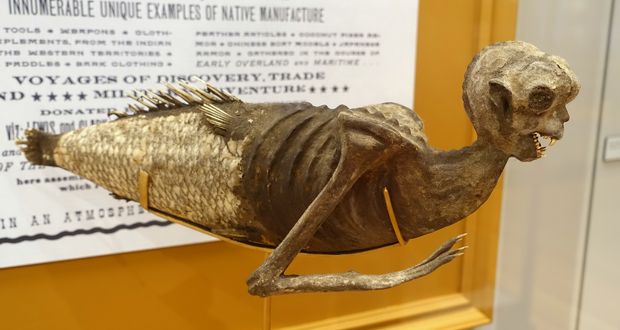
The Feejee Mermaid, popularized by P.T. Barnum, was presented as a mummified creature with the body of half mammal and half fish. Barnum leased it from Moses Kimball and exhibited it as a curiosity. However, the mermaid was a gaff, created by an Indonesian craftsman using papier-mâché, exotic fish materials, or the tail of a fish combined with the torso of a baby orangutan and the head of a monkey. The original exhibit was lost in a fire, and Harvard University’s Peabody Museum now houses a copy.
42 Cottingley Fairies: Wright and Griffiths’ Hoax

In 1917, Elsie Wright and Frances Griffiths took five photographs in Cottingley, England, purportedly showing them with fairies. Sir Arthur Conan Doyle later endorsed their authenticity, but skepticism persisted. In 1981-82, Frances and Elsie admitted that the first four photos were hoaxes and that they faked the pictures with paper cut-outs from a book. They maintained the fifth photo’s authenticity until their deaths.
43 DHMO Ban: Zohner’s Gullibility Experiment

In 1997, Nathan Zohner conducted a science fair project titled “How Gullible Are We?” where he distributed a report on the dangers of dihydrogen monoxide (DHMO) to classmates. The report highlighted seemingly harmful effects of DHMO, such as excessive urination and metal corrosion. Zohner’s classmates, unaware that DHMO is water, voted to ban it. The project aimed to expose the lack of critical thinking in accepting perceived scientific facts, earning Zohner the first prize.
44 Naked Came the Stranger: Literary Hoax

24 journalists under the direction of Mike McGrady wrote “Naked Came the Stranger,” a book with a ridiculous plot and gratuitous sex scenes that defies literary standards. Despite its flaws, the book was published, reviewed in reputable newspapers like The New York Times, and became a bestseller. The group revealed the hoax on The David Frost Show, boosting sales, and the book spent 13 weeks on The New York Times Bestseller List, later inspiring an unrelated film with the same name. The experiment highlighted the challenges in defining literature or, perhaps, people’s affinity for controversial content.
45 Louvre’s Tiara: Rouchomovsky’s Fake Artifact

In 1896, the Louvre purchased the alleged ancient Tiara of Saitaphernes, presented by Russian art dealer Schapschelle Hochmann. Despite doubts from archaeologists, the Louvre displayed the artifact for six years before a 1903 article in Le Matin exposed Israel Rouchomovsky as the real creator, unaware of the deception. The revelation led to public backlash against Hochmann and the Louvre, while Rouchomovsky gained acclaim as a skilled goldsmith.
46 Ern Malley: McAuley and Stewart’s Poetry Hoax

In Australia’s notable literary hoax, soldiers James McAuley and Harold Stewart created the fictional poet Ernest Malley to submit nonsensical work to Angry Penguins, a modernist magazine. The duo, critical of modernist verse, aimed to test if proponents could distinguish between real and fabricated poetry. Despite the poems being exposed as a hoax, Angry Penguins received acclaim for Malley’s work, which eventually gained recognition as excellent Australian literature in the years following the revelation.
47 Bathtub Hoax: Mencken’s Satirical Anniversary

On December 28, 1917, H.L. Mencken published a satirical article titled “A Neglected Anniversary,” claiming the bathtub was invented by Adam Thompson, criticized by doctors, and introduced to the White House by Millard Fillmore. The entire story was a hoax meant to mock public gullibility. Mencken later confessed to the prank in a follow-up article, but it didn’t garner as much attention as the original satire.
Latest FactRepublic Video:
15 Most Controversial & Costly Blunders in History
48 Reavis: Baron of Arizona’s Land Deception
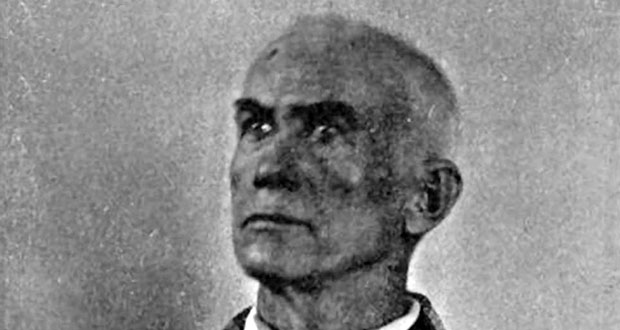
In 1883, James Addison Reavis claimed ownership of 44,000 square kilometers of land in Arizona and New Mexico, collecting rent illegally for three years. He forged documents, alleging a purchase from a family with a Spanish land grant. When he sued the U.S. government, his deception was exposed, leading to a two-year prison sentence.
49 Oscar Daubmann Hoax: Hummel’s Fabricated Hero
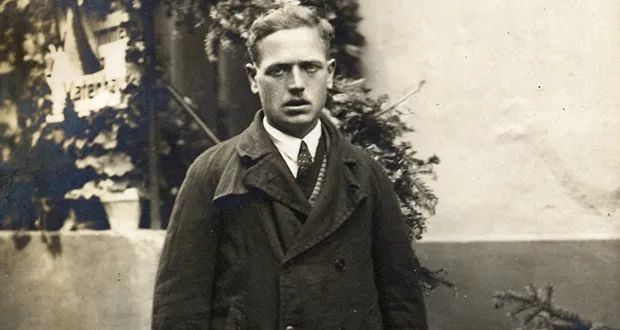
In 1932, a man claiming to be Oscar Daubmann arrived in Germany, narrating 16 years in a French POW camp after World War I. He described escaping, trekking 4,800 kilometers, and becoming a national hero. Unbeknownst to the public, Daubmann was Karl Hummel, a tailor and criminal, fabricating the story for a free ride from Italy to Germany. The French government, unable to verify his existence, exposed the hoax when inquiries were made.
50 Amityville Horror Hoax: DeFeo and Lutz Collaboration

In 1974, Ronald DeFeo Jr. committed the gruesome murder of six family members in Amityville. In 1975, the Lutz family moved into the same house, claiming supernatural attacks. Years later, it was revealed that DeFeo’s lawyer and the Lutz family collaborated on a hoax, working with a novelist to profit from the fabricated story, later adapted into The Amityville Horror movie.


