


1Believing in Animal Transformation

Clinical lycanthropy is a rare psychiatric delusion where individuals believe they are transforming or have already transformed into an animal.
2. Chunibyo, also known as "year-nine syndrome" in Japanese, characterizes early teens with grandiose delusions, believing they possess hidden knowledge or secret powers, often seeking attention by standing out.
3. The Oxford Circus Panic was a human stampede triggered by a mass delusion of an attack in London. Despite no actual attack occurring, news outlets, social media, and a pop star's warning led to panic, resulting in injuries to 16 people, nine of them serious.
4. White torture is a form of psychological torture that entails extreme sensory deprivation and isolation. It subjects the prisoner to a completely white, soundproof room, leading to a loss of personal identity and hallucinations.
5. Couvade syndrome, also known as sympathetic pregnancy, is a condition where males experience symptoms similar to pregnancy, such as weight gain, morning nausea, and labor pains.
Latest FactRepublic Video:
15 Most Controversial & Costly Blunders in History
6Silence in Selective Mutism
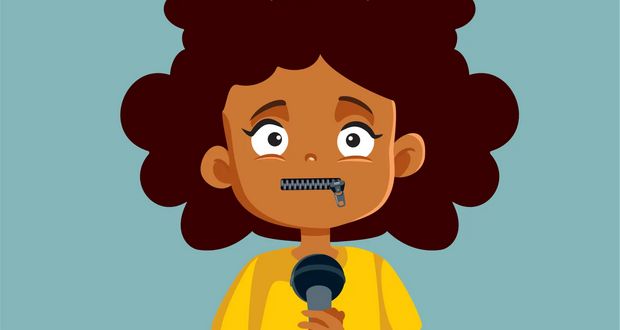
Selective mutism is a disorder where individuals are capable of speaking but refrain from speaking in specific situations or to specific people. Those affected by selective mutism may remain silent, even in situations where their silence results in shame, ostracism, or punishment.
7. Involuntary Emotional Expression Disorder, also known as Pseudobulbar Affect, is a neurological condition characterized by uncontrollable episodes of laughing or crying that are disproportionate to the individual's actual emotions or circumstances.
8. The Bicameral Mentality Hypothesis proposes that ancient human cognition operated with one part of the brain "speaking" instructions, while another part "listened" and obeyed commands.
9. Paradoxical insomnia is a disorder where individuals feel awake while they are actually sleeping. The exact cause is unclear, but it involves the absence of normal muscle paralysis during REM sleep, leading to potential physical harm as individuals can sometimes act out their dreams.
10. Synesthesia, a neurological phenomenon, results in individuals experiencing involuntary sensory crossovers, leading to unique and vivid perceptions. For instance, seeing the letter "A" consistently as red.
11Shared Delusions' Influence
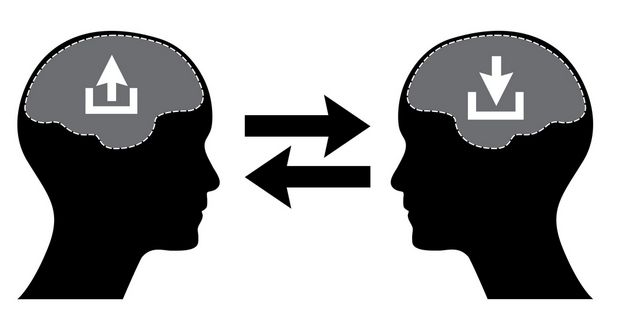
Shared Delusional Disorder, also known as "Folie à deux," is a mental condition where one person's delusions influence another to adopt the same belief. An example involves twin sisters named Sabina and Ursula Eriksson, who shared delusions and flung themselves into oncoming traffic. They were injured, but they continued to fight off the police.
12. Deaf individuals can perceive music through tactile sensations using their hands and a balloon. The brain can adapt by rewiring the auditory cortex to process input from mechanoreceptors in the fingertips.
13. Two-way communication with dreamers is feasible during REM sleep, as demonstrated in a study where lucid dreamers correctly answered questions and solved math problems via eye movement.
14. Jazz musicians deactivate their dorsolateral prefrontal cortex, responsible for self-monitoring performance, while activating their medial prefrontal cortex, which aids in storytelling. This brain pattern mirrors activity during dreaming.
15. The "earworm" phenomenon is characterized by having a song stuck in one's head in a repetitive loop. It can occur as the brain attempts to fill gaps in the auditory cortex.
16Imagining Without Images

Aphantasia describes the inability of some individuals to visualize mental images. Many people, including artists, may not realize they experience this phenomenon until questioned about it.
17. Recovered Memory Therapy was a controversial psychiatric technique that often led patients to fabricate memories of satanic rituals, fueling the 1980s satanic panic. This dark period in American history revealed the susceptibility of children to suggestibility, with innocent individuals, including school teachers, falsely accused based on coerced testimonies.
18. False diagnoses of brain death can occur due to the predominant focus on brainstem activity by physicians, overlooking the cortical function responsible for consciousness coordination.
19. Sensory Specific-Satiety denotes a psychological phenomenon characterized by diminishing satisfaction from prolonged exposure to a particular sensory stimulus, such as food, culminating in renewed appetite upon encountering novel flavors or stimuli.
20. Psychosis can manifest contagiously, as exemplified by Lasègue-Falret syndrome, wherein psychotic symptoms transmit from an afflicted individual to one or more healthy counterparts who subsequently elaborate on induced delusions.
21Evolutionary Role of Psychedelics

The "Stoned Ape" theory posits an unconventional perspective on human evolution, suggesting that early hominids consumed "magic mushrooms" found in the dung of large African animals, purportedly facilitating rapid brain evolution and heightened consciousness.
22. Fugue state is a psychiatric condition that causes individuals to suddenly travel to unfamiliar places and assume different identities for a brief period of time. A notable example is Toronto firefighter Danny Flippidis, who disappeared during a skiing trip in New York, only to reappear days later in Sacramento, California, with no memory of his journey and wearing the same clothing as when he vanished.
23. Reading music engages distinct brain regions compared to reading words, with instances documented where stroke-induced damage selectively impairs one ability while leaving the other intact.
24. Hypnagogia delineates the transitional phase between wakefulness and sleep, often marked by hallucinatory experiences. These may encompass sensations of altered body size, floating, or falling.
25. Sunflower syndrome represents a rare manifestation of pediatric photosensitive epilepsy. Children affected by this syndrome display heliotropism, a tendency to gravitate towards the sun or bright light, which causes them to wave their hands in front of their eyes, creating a strobe effect that triggers seizure activity, leading to lapses in consciousness and subsequent relief.


