


26Semantic Satiation: Repetition's Impact

Repetition causes a word or phrase to temporarily lose meaning for the listener, a phenomenon known as "semantic satiation," coined by Leon Jakobovits James in 1962. This phenomenon has potential applications in treating phobias, reducing speech anxiety, and exploring its impact on word learning and language acquisition.
27. Google's 'Project Aristotle,' a study of efficient teams involving their employees, identified psychological safety as the most crucial factor for team success. This entails the ability to take risks without fearing judgment from peers.
28. Psychology research reveals that do-gooders (highly cooperative and generous individuals) may attract hatred and social punishment, particularly in competitive environments. Individuals undermining overachievers is a pattern that transcends various cultures and is rooted in the deep psychological makeup of humans.
29. A psychology study of over 4,000 millionaires found that individuals with more wealth tend to be happier with life. Furthermore, those who earned their wealth reported higher levels of happiness compared to those who inherited it.
30. There is a psychological state called "helper's high," whereby giving produces endorphins in the brain that provide a mild version of a morphine high. Research has shown that helping others lights up the same part of the brain as receiving rewards or experiencing pleasure.
Latest FactRepublic Video:
15 Most Controversial & Costly Blunders in History
31Procrastination: Beyond Laziness, Complex Causes
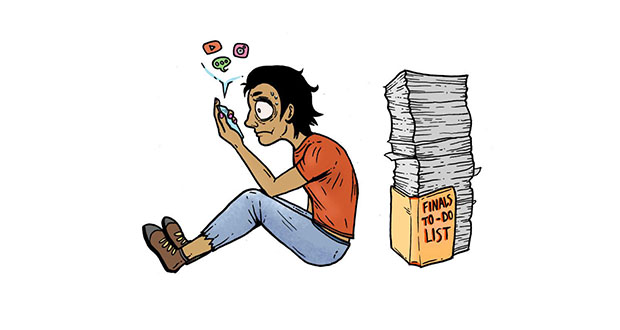
Human procrastination is considered a complex psychological behavior because of the wide variety of reasons people do it. Research shows that anxiety, depression, a fear of failure, or a reliance on abstract goals are more likely causes of human procrastination than laziness.
32. A shorter workweek can provide psychological benefits, reducing stress, fostering creativity, and enhancing overall well-being. Psychological studies suggest that the current emphasis on long work hours may not align with human nature, as demonstrated by the more leisurely lifestyle of hunter-gatherers and the negative impacts of the industrial revolution. Embracing a shift towards shorter work hours may not only improve individual mental health but also offer other health benefits and improve productivity.
33. A psychological phenomenon known as psychic numbing suggests that "the more people die, the less we care." As numbers increase, we not only become numb to their significance, but our compassion can fade. This phenomenon, exacerbated by our inability to comprehend large-scale suffering, can hinder responses to global crises, including pandemics, genocides, and natural disasters. It emphasizes the importance of personalizing stories and engaging in deliberate thinking to counteract psychic numbing.
34. Many psychological research studies often exclude left-handed people due to the significant differences in their brains compared to right-handed people.
35. The sense of smell can evoke emotional memories more effectively than any other sense, and it is also associated with overall psychological well-being. Memories, clustered in the first decade of life, stand out for their ability to induce emotional recollections more effectively than memories triggered by other sensory cues. Understanding the therapeutic potential of odor-evoked memories in influencing mood and physiological responses could offer insights into leveraging their positive effects for psychological and physical well-being.
