


26Al Capone's Soup Kitchen
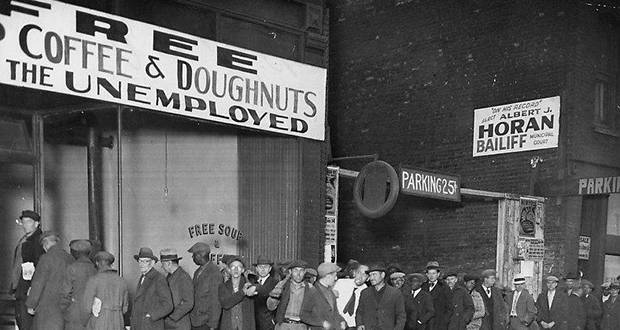
During the Great Depression Al Capone started one of the first soup kitchens, called "Free Soup Coffee & Doughnuts for the Unemployed." Capone's soup kitchen served breakfast, lunch, and dinner to an average of 2,200 Chicagoans every day.
27. Until the Great Depression, a man could be sued for monetary damages if he broke off an engagement. If he'd already had sex with his fiancé, damages were "greatly increased."
28. Soap operas get their name from radio series sponsored by soap manufacturers during the Great Depression, which were aimed primarily at housewives working alone at home.
29. Twin popsicles were created during the Great Depression so that two children could share a treat for just a nickel.
30. During the Great Depression, there were 'Dance Marathons' in which desperate couples danced for days on end just to have a roof over their head and food to eat. Dance partners took turns sleeping while the other one held them up and continued dancing.
Latest FactRepublic Video:
15 Most Controversial & Costly Blunders in History
31The Agricultural Adjustment Act

The 1933’s New Deal Legislation, especially the Agricultural Adjustment Act, set production quotas on food during the Great Depression. It led to 6 million pigs being slaughtered and not made into bacon. This caused a public outcry from starving Americans.
32. During the Great Depression, Clifton's Cafeteria eateries boasted the slogan "Dine free unless delighted." In the original restaurant's first three months of business, 10,000 customers took him up on the offer. Enough customers paid their bills to make them a success.
33. Ritz crackers were first released during the Great Depression. They chose the name 'Ritz' (as in the Ritz hotels) so that people would perceive the crackers as high class and fancy. They were in fact very affordable.
34. Many things were named after President Hoover during the Great Depression. Shanty towns were named 'Hoovervilles', an empty out-turned pocket was a "Hoover flag," worn-out shoes patched with cardboard were known as "Hoover leather," and a horse-drawn automobile was called a 'Hoover wagon.'
35. During the Great Depression, the state of Arkansas was in such bad financial shape that the treasurer at one point reported a balance of just $4.62 for the entire general revenue fund of the state.
