

1Hepatitis A Outbreaks
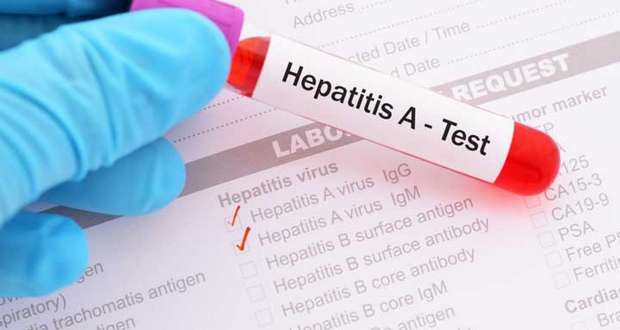
While Hepatitis B shots are a federal requirement for school children, Hepatitis A shots are left to the states to decide. Hepatitis A has the more common outbreaks when someone who is infected doesn’t wash their hands and then handles food or surfaces.
2. The Manhattan Company, a New York bank from the 18th to 19th Centuries, caused massive outbreaks of cholera in New York by supplying sewage-laden water. They later became JP Morgan.
3. In 1993, Jack in the Box caused the most infamous food poison outbreak in contemporary history. 732 people were infected with E. coli, 4 children died and 178 other victims were left with permanent injury including kidney and brain damage.
4. During the 1952 polio epidemic in Denmark, the mortality rate was over 85% due to a shortage of respirators. Dr. Bjorn Ibsen invented a new kind of ventilator, proved it worked, and then recruited thousands of volunteers to hand-pump them for weeks (they were fully manual). With his invention, the mortality rate fell to 26%.
5. There was a massive outbreak of syphilis in the affluent county of Rockdale in Georgia in the 1990s. The outbreak affected nearly 200 high school teens. The teens were having sex parties fuelled by various drugs and alcohol. The cause of the outbreak was a transient man joining the sex parties.
Latest FactRepublic Video:
15 Most Controversial & Costly Blunders in History
62014 Ebola Outbreak
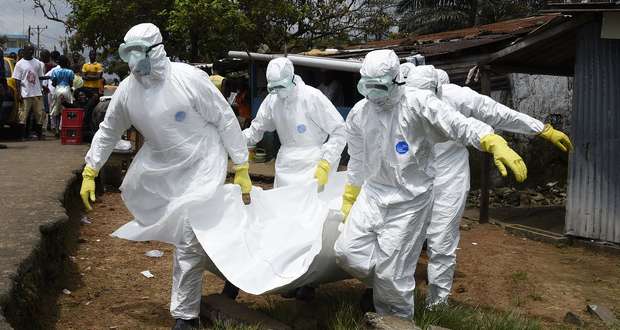
About 30 men were drafted to burn the bodies of those who had died from Ebola in Liberia, where cremation is a huge cultural taboo. Despite playing a large role in stopping the 2014 Ebola outbreak, the 30 “Ebola burners” are still shunned in their communities and even by their families.
7. Smallpox was almost eradicated when an outbreak at the University of Birmingham happened in 1978. Janet Parker, the last smallpox victim, died a month later and Henry Bedson, head of the School killed himself “victim of his own dedicated conscientiousness and his extreme sense of responsibility.”
8. “The Great Epizootic of 1872” was a massive outbreak of equine influenza. Boston suffered a major downtown fire during that time in part because firemen had to pull the equipment by hand instead of using horses, as they were all incapacitated by the epidemic. This disease killed over 69,000 horses and over 10,000 mules.
9. During a plague outbreak in Romania in 1813, plague sufferers were buried alive. One undertaker squad reported, “we collected 15 dead today, but only buried 14 because one of them ran away.”
10. In the 1980s, when a baboon troop was hit by an outbreak of tuberculosis killing all of its aggressive alpha males, the remaining passive males which were bullied by previous alpha males transformed the troop from an aggressive and violent troop into a peaceful one. This kind of behavior was never observed before.
11Chi-Chi’s Hep A Outbreak

In 2004, Chi-Chi's restaurant chain was hit with the largest hepatitis A outbreak in U.S. history, with at least four deaths and 660 other victims a month after filing for bankruptcy.
12. During the Holocaust, Polish doctors Eugene Lazowski and Stanisław Matulewicz saved 8,000 Jews by creating a fake Typhus epidemic. The Germans quarantined the area instead of risking outbreaks by sending them to concentration camps.
13. According to a research paper published in 1973, an outbreak of the common cold occurred at an Antarctic base after seventeen weeks of complete isolation.
14. During the 2003 Monkeypox outbreak, there were no documented human-to-human transmissions. Instead, all 71 afflicted parties got infected from prairie dogs. The prairie dogs were likely infected by Gambian pouched rats while they were housed at the same Illinois exotic pet store.
15. In 2015, Cornell University ran a simulation of an imaginary Zombie outbreak and found that most of the US population would turn into Zombies within one week from the appearance of the first case, but some remotes areas in Montana and Nevada could remain infection-free for up to one month.
16HIV Outbreak in USA

The first major outbreak of HIV in the US began in 1970-71 in New York City, a decade before AIDS was first identified, and was spread from a Caribbean outbreak in the 60s. From New York City, a single case from around 1976 then started the outbreak in San Francisco.
17. During the 1854 London Cholera outbreak, workers at a local brewery near the outbreak were saved because they only drank beer, which protected them from the infected water.
18. British Physician John Snow found the cause of cholera during the height of an epidemic. He proved his findings by halting an entire outbreak by removing the infected water pump handle in 1854.
19. In 1518, the was an outbreak of the dancing plague in France after a woman started dancing and others joined in. The dancing did not seem to die down for days. There are even reports that some people danced until they died.
20. In 1998, there was an outbreak of mass hysteria in East Java, Indonesia, in which the local population believed they were being targeted by sorcerers known as the ‘ninja’, who were blamed for mysterious killings of religious leaders. Over 250 people were lynched in the surrounding area.
21Russian Anthrax Outbreak

In 2016, Russia experienced an outbreak of Anthrax. The spores likely came from an infected deer carcass that had thawed during permafrost melt. Nearly 100 people were hospitalized (1 died) and more than 2,300 reindeers died from anthrax infections.
22. USA’s largest waterborne disease outbreak occurred in 1993 when 1/4 of Milwaukee (403,000 people) developed stomach cramps, fever, and diarrhea. The cause was found to be the Cryptosporidium protozoan. The root cause of the epidemic was never officially identified. Initially, it was suspected to be caused by the cattle genotype due to runoff from pastures.
23. The New England vampire panic was the reaction to an outbreak of tuberculosis in the 19th century throughout New England. Tuberculosis was thought to be caused by the deceased consuming the life of their surviving relatives. This is the reason why the old name for TB was “The Consumption” and they also buried their dead face down to try and confuse them if they were to come back.
24. The collapse of Aztec society was in part linked to an outbreak of salmonella after the Spanish conquest.
25. The Nazis introduced malaria-carrying mosquitos to Italy during World War 2 as revenge after Italy changed sides, causing a 7-year long malaria outbreak in the region.


