

26Battle of Lake Tanganyika

During the Battle of Lake Tanganyika in World War 1, the Royal Navy essentially dragged a flotilla overland to check German dominance of a strategically important African lake.
27. Before the battle of Passchendaele during World War 1, 3,000 guns bombarded German lines in 10 days with over 4.25 million shells fired.
28. During World War 1, German Army uniforms were made mainly of nettles due to shortages of cotton.
29. During World War 1, Imperial Germany built two submarines (Deutschland and Bremen) in order to pass through the blockade of the Entente to trade with the still neutral United States.
30. During World War 1, Germany attempted to preclusively purchase every hydraulic press in the US for the next 2 years to limit artillery shell production.
Latest FactRepublic Video:
15 Most Controversial & Costly Blunders in History
31Furphy
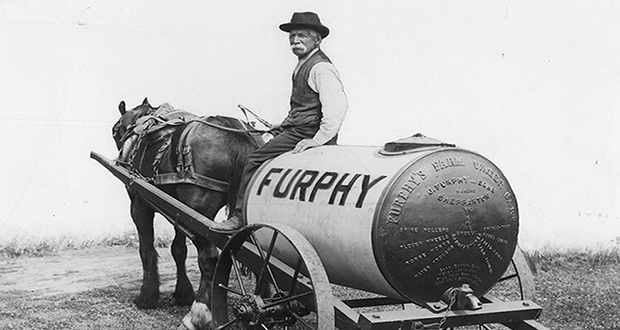
During World War 1, water and sanitary carts, manufactured by the Furphy family, became popular as a place where soldiers exchanged gossip, often when visiting the latrines. So, furphy is now used as an informal Australian slang for an untrue and absurd rumour or story.
32. World War 1 was the first war in which mass media and propaganda played a significant role. It was one of the keys to convincing people to fight in the war. At the start of the war, the British cut Germany’s undersea cables to influence the reporting of the war to the world.
33. Because of resistance to change, the French army entered World War 1 with traditional uniforms that included blue coats and red pants. These highly visible uniforms took some of the blame as the French suffered heavy losses, and they were soon replaced with blue-grey uniforms.
34. By the end of World War 1, the Canadian Corps had a reputation as an army of “no mercy” because so many of them executed surrendering Germans instead of taking them as a prisoner.
35. During World War 1, men in New Zealand were required to wear arm badges in public distinguishing enlistment status.
36L - Class Submarine
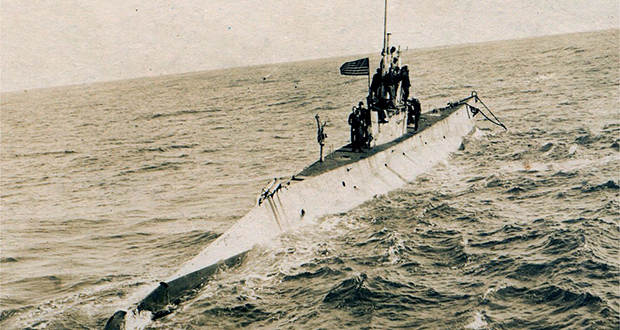
During World War 1, the L-Class US submarines had masts and sails which were used instead of the onboard electric motor, when the sub surfaced.
37. During World War 1, New Zealand raised an army of 100,000 men, from a population of just over a million people.
38. During World War 1, gas masks for horses were created.
39. During World War 1, two damaged destroyers, the Nubian and the Zulu were joined together to create HMS Zubian.
40. During the final armistice of World War 1, 74 German warships were rounded up in Scapa Flow by Great Britain. Not wanting them seized, a German Admiral orchestrated the sinking of the fleet. On the 21st of June 1919, 52 of the 74 warships were sunk by their crew.


