

26 Battle Outcome Gambling History

People used to gamble on the outcomes of battles. In 1691, people bet over £200,000 (£40,000,000 in modern money) on the outcome of the Siege of Limerick alone.
27. Gambling addicts get similar amounts of dopamine when they lose compared to when they win.
28. In 2011, Jose Luis Ochoa, 35, died after being stabbed in the leg by a rooster with a knife attached to its limb during an illegal gambling cockfight in California. Two hours after the injury, the hospital declared him dead. Regularly participating in organized cockfights, Ochoa had previously faced a fine for owning or training an animal for fighting. Several dead roosters were found at the scene.
29. In his first year of college at age 17, Edgar Allan Poe gambled away all of his scholarship aid and often showed up in class drunk-even during examinations. Despite his slovenly behavior, Poe had the highest grades in his class.
30. Between 2003 and early 2005, Italy experienced “53 fever,” a mass hysteria surrounding the country’s lottery, particularly the Venice wheel, where the number 53 stopped appearing. Gamblers placed increasingly large bets on 53, resulting in financial ruin for thousands and a spate of suicides. The hysteria came to an end when 53 finally appeared in the February 9, 2005 draw, following 182 consecutive absences and approximately four billion euros lost in bets.
31 Monaco’s Monte Carlo Casino Ban

Princess Caroline introduced the rule prohibiting Monaco’s citizens, known as Monegasques, from gambling or working at the Monte Carlo Casino from 1841 to 1856 for moral reasons, and it is still in effect today.
32. During a 2013 match between Arsenal and Manchester United, two Ugandan fans made high-stake bets: the Arsenal supporter wagered his two-room home, while the Manchester United fan put up his car and wife. Following Manchester United’s victory, the Arsenal fan, along with his three wives and five children, were thrown out of their home.
33. In South Carolina, where gambling is illegal, beach tourists can pay companies to take them into international waters via boat to gamble, circumventing state jurisdiction.
34. The dice game Bunco, now a family favorite, has historical ties to gambling and scams. The term “bunco squad” refers to police raids on illegal gambling establishments where the game was played.
35. In 1956, Thomas Fitzpatrick, under the influence of alcohol, stole a small plane from New Jersey and skillfully landed it on a narrow Manhattan street in front of a bar for a bet. Two years later, he repeated the feat to prove his earlier claim after someone doubted his story.
36 Stu Unger’s Poker Career and Losses

Stu Unger, renowned as one of the best gin and Texas hold’em poker players of all time, amassed an estimated $30 million during his poker career but died with no assets due to losses from betting on horses, sports, and supporting a drug habit.
37. In 2017, a 28-year-old resident of Wichita was fatally shot in a swatting incident stemming from an online argument over a $1.50 wager in Call of Duty. The perpetrator falsely claimed the victim’s address, targeting him even though he was not involved in the dispute.
38. Pinball machines were considered gambling devices until 1947, when flippers were added, transforming pinball into a game of skill and allowing it to evade gambling regulations.
39. Gambling wins are subject to a 25% tax, while gambling losses, up to the amount you won, can be deducted from your taxes as well.
40. In 2009, John Kane discovered a loophole in video poker machines that allowed him to cash out winning hands at a higher bet amount than he wagered. He only pressed the machine-approved buttons, which allowed him to keep the money despite the anomaly.
41 Slot Machine Button Press Win

In every US state, the person who presses the button on a slot machine wins the wager. In 2017, a man had his female friend push the slot machine button for good luck but did not win anything; she won $100,000.
42. Penny slot machines generate more revenue for casinos than any other game, both in terms of wagers and winnings.
43. The first successful trans-continental automobile trip in the U.S. occurred in 1903, initiated by a man who wagered $50 despite not owning a car, having minimal driving experience, and lacking maps. The journey took 63 days to complete.
44. Lacrosse was originally a violent game developed by North American Natives. They used it as a substitute for warfare and to resolve diplomatic disputes. Players risked crippling injuries and even death. Players could even wager their families for slavery to the opposing team.
45. The first recorded incident of streaking occurred in 1799, when a man in London accepted a wager to run naked from Cornhill to Cheapside for ten guineas.
15 Most Controversial & Costly Blunders in History
46 Bill Benter’s Horse Racing Algorithm Win
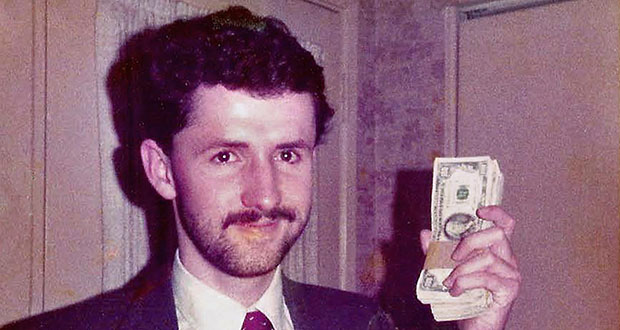
Bill Benter, along with his associate Paul Coladonato, cracked the Hong Kong horse-racing code on the evening of Nov. 6, 2001. The duo won a staggering $16 million jackpot by correctly predicting all nine horses in the Triple Trio bet. Benter, a former physics student, developed an algorithm based on a paper he found at the University of Nevada, Las Vegas, which identified factors influencing a horse’s success or failure.
47. With the exception of one casino, South Korean citizens are prohibited from participating in casino gambling, even abroad.
48. In 2011, a heating engineer named Steve Whiteley made history at the horse races, turning a £2 bet into a £1.5 million windfall at Catterick in England. Whiteley, who correctly picked all six winners, clinched the jackpot, a Tote bet that had been rolling over for over a week. Lupita, an underdog with no previous wins and having lost 28 races, secured victory in the last race, propelling Whiteley to millionaire status.
49. An Australian woman won $825 from a 100-1 bet on a horse in 2015, but someone stole her winnings after seeing a photo of her winning bet slip on Facebook and using the barcode to claim her winnings at the automated betting machine.
50. Billiards earned the name “Pool” from horse race poolrooms in the 1800s. Betting parlors, known as poolrooms, allowed patrons to place collective bets (“pool”), and billiard tables were installed for entertainment between races. Eventually, “shooting pool” became synonymous with playing billiards.


