

11 iPhones Dominate American Teen Ownership

In Piper Sandler’s October 2023 survey, 87% of American teenagers owned an iPhone, while 88% expected an iPhone to be their next phone. The investment firm surveyed roughly 9,200 teenagers across 49 states, mostly before the iPhone 15 became available. These percentages exactly matched the results of its April 2023 survey.
12 Suits Inspires Future Legal Professionals

In a 2023 survey of 500 legal professionals, more than half said legal TV shows influenced their career choice, while 57% of those respondents believed the show that influenced them realistically depicted a legal career. Among those swayed by television, 30% named Suits and 22% chose Law and Order. Shoreditch-based EM Law commissioned the survey after its director interviewed a woman named Olivia Wilson, who said she wanted to become “a Donna” because she admired the Suits character’s confidence and competence. Wilson later joined the firm as an executive assistant.
13 Hiring Managers Deceive Job Candidates

A 2023 ResumeBuilder.com survey of 1,060 hiring managers and business leaders found that 36% admitted lying to candidates during the hiring process, and 75% of that group said they lied during interviews. Among the managers who lied, 92% said at least one candidate they deceived later accepted a job offer. However, 55% also said an employee had quit after discovering the deception.
14 Dogs Influence Millennial Home Purchases

In a 2017 SunTrust Mortgage survey, 33% of millennial Americans who had purchased their first home said the need for a better space or yard for a dog influenced their decision. Dogs ranked third among the cited reasons, behind more living space at 66% and building equity at 36%, but ahead of marriage at 25% and having a child at 19%. Harris Poll conducted the online survey among 412 Americans aged 18 to 36, including 248 first-time homeowners.
15 Cardiologists Report High Obesity Rates
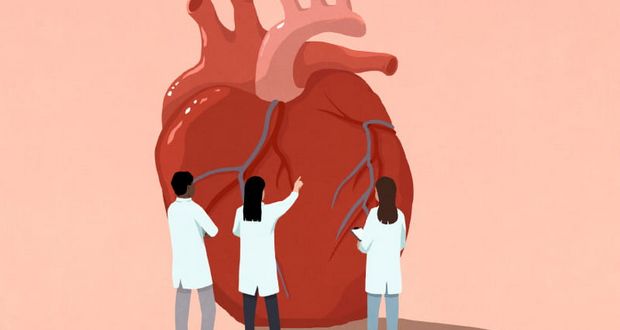
A 2014 Medscape lifestyle survey found that 43% of U.S. cardiologists reported being overweight or obese. That placed cardiology on par with anesthesiology and internal medicine, below general surgery at 49% and family medicine at 48%.
16 Lay’s Customers Overlook Real Potatoes

In 2025, Lay’s cited company research claiming that 42% of people who enjoyed the brand did not realize its chips were made from real, farm-grown potatoes. As part of a major rebrand, the company redesigned its bags with potato imagery and prominently printed “Made With Real Potatoes” on the packaging. Lay’s also announced that it would remove artificial flavors and colors from its U.S. products.
17 Children Misidentify Everyday Food Sources

In 2017, a British Nutrition Foundation survey found that 18% of UK children aged five to seven thought fish fingers were made from chicken, while 29% believed cheese came from a plant. Another 22% of the same age group thought pasta came from animals. The foundation questioned 5,040 children for Healthy Eating Week.
Latest FactRepublic Video:
15 Most Controversial & Costly Blunders in History
18 Children Play Outside Far Less

A 2022 UK survey of 3,000 adults and children found that only 27% of children aged six to 16 regularly played outside near their homes, compared with 71% of baby boomers recalling that they did so as children. The figure reached 80% among respondents aged 55 to 64. OnePoll questioned 1,000 children, 1,000 adults, and 1,000 parents, while one in four participating children said parents or neighbors had told them to stop playing in their street or local area.
19 Teenagers Fear Getting Behind Wheels

A 2018 U.S. survey found that 40.2% of teenagers considered driving scary, while 23% of unlicensed teens cited fear as a key reason they did not drive. Parents shared that anxiety, with 58% saying the thought of their teenager driving frightened them. SurveyGizmo questioned 603 teenagers aged 13 to 18 and 605 parents for The Zebra.
20 Eastern Germans Report Widespread Atheism

A 2012 study titled “Beliefs About God Across Time and Countries” found no respondent under age 28 in eastern Germany who said they believed in God. The same research found that 52.1% of eastern German respondents identified as atheists, compared with 10.3% in western Germany. Communist East Germany had promoted atheism and created secular traditions such as Jugendweihe, a coming-of-age ceremony that continued after German reunification.


