


26Arzhang (Persian Folklore)

The Arzhang is a ghostly figure from Persian folklore, particularly in Iran. It is believed to be the spirit of a wronged person who has not received justice in life. Arzhang often appears as a sad and disheveled figure, seeking vengeance or retribution against those responsible for their suffering. Their stories emphasize the importance of moral accountability and justice in Persian culture.
27. The Blue Men of the Minch are supernatural beings found in the folklore of the Scottish Hebrides. These spirits are believed to inhabit the waters of the Minch, a treacherous strait. They are said to capsize ships and drag sailors to their watery demise. The Blue Men are often described as having blue skin and webbed fingers. Their stories serve as cautionary tales for sailors navigating the perilous waters.
28. The Karakasa-obake is a whimsical and mischievous ghostly creature from Japanese folklore. It takes the form of an old, one-legged umbrella with a single eye and a long, protruding tongue. Karakasa-obake are known for hopping and bouncing around, using their long tongue to lick people or objects. Despite their bizarre appearance, they are considered more playful than malevolent and are often featured in traditional Japanese artwork.
29. The Jiangshi, or "Hopping Vampire," is a supernatural creature from Chinese folklore. Dark magic or improperly buried corpses are what reanimate it. Jiangshi are known for their stiff, hopping movements and their thirst for the life force of the living, typically obtained by draining qi (vital energy). They are often depicted with talismans on their foreheads, which prevent them from harming others. Stories of Jiangshi are popular in Chinese vampire folklore and horror fiction.
30. Jiutou Nü, or "Nine-Headed Woman," is a grotesque and eerie ghostly figure from Chinese folklore. She is said to have nine heads, each with a different expression. Jiutou Nü is known for appearing near water bodies, such as rivers and lakes, where she lures unsuspecting victims to their deaths. Her horrifying appearance serves as a warning against venturing into dangerous waters.
Latest FactRepublic Video:
15 Most Controversial & Costly Blunders in History
31Vetal (India)

The Vetal, also known as "Baital" or "Vetalu," is a ghostly being found in the folklore of India, particularly in the collection of stories known as the "Baital Pachisi." It is a mischievous spirit that inhabits and possesses corpses, making them talk and interact with the living. Vetal stories often involve riddles and moral dilemmas posed by the spirit to a king. Despite its ghostly nature, the Vetal is known for its wit and cleverness, making it a recurring character in Indian folklore.
32. Nagins are serpent spirits or shape-shifters found in the folklore of India. They are often depicted as women with serpent tails. Nagins are believed to inhabit water bodies, such as rivers and lakes, and they are known for their vengeful nature, particularly when their serpent kin are harmed. Stories of Nagins often revolve around love and betrayal and serve as cautionary tales about respecting nature and its creatures.
33. Aka Manto, meaning "Red Cape" in Japanese, is a chilling urban legend from Japan. It centers around a malevolent ghostly figure that haunts public restrooms, especially in schools. This eerie entity is typically depicted as a tall, masked man dressed in a red cape or coat. When encountering unsuspecting victims in the restroom, Aka Manto presents them with a horrifying choice: "Red paper or blue paper?" If the victim chooses red paper, they are subjected to a gruesome fate, often involving slashing and blood. Opting for blue paper results in strangulation, leaving the victim's face blue.
34. The Toyol is a supernatural being in Southeast Asian folklore, particularly in Malaysia and Indonesia. It is often described as a mischievous child-like creature, similar to an undead infant. Toyols are believed to have been created through dark magic and are controlled by their owners for nefarious purposes, such as theft or revenge. These supernatural beings are considered both dangerous and tragic, as they are bound to do the bidding of their human masters.
35. The Bunyip is a mythical creature from Australian Aboriginal mythology, often described as a water-dwelling monster. It is believed to inhabit swamps, rivers, and billabongs and is known for its eerie cries and terrifying appearance. Bunyips are typically depicted as having features of various animals, such as a long neck, tusks, and a furry body. The legend of the Bunyip has been used to explain mysterious disappearances and drownings in Australia's waterways.
36Pe'epe'e Kainoa (Hawaiian)
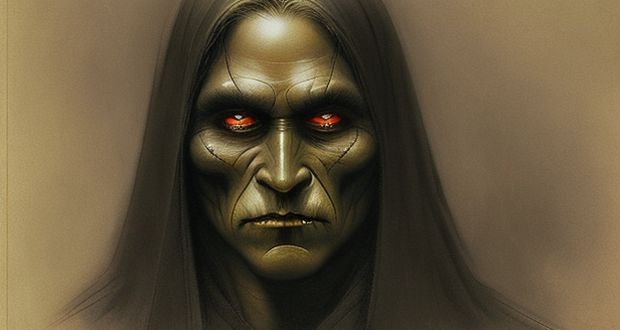
The Pe'epe'e Kainoa is a ghostly figure from Hawaiian folklore. It is believed to be the spirit of a person who died suddenly or tragically, especially in the ocean. Pe'epe'e Kainoas are known for their appearance as dark, shadowy figures with fiery red eyes. Encounters with them are believed to be harbingers of misfortune or death, especially for those who disrespect or disturb sacred sites and burial grounds.
37. The Kappa is a water-dwelling creature from Japanese folklore, often found in river and pond legends. Kappas are usually depicted as mischievous, impish beings with a water-filled dish on top of their heads, which gives them their power. They are known for their love of sumo wrestling and for pulling pranks on humans. Despite their trickster nature, Kappas are bound by a strong sense of politeness and can be appeased by bowing to them, causing them to bow in return, spilling the water from their dish, and losing their strength.
38. The Yara-ma-yha-who is a creature from Australian Aboriginal folklore, particularly among the Yolngu people. It is described as a small, red, frog-like being with a large mouth and suckers on its fingers and toes. The Yara-ma-yha-who is known for its habit of luring travelers, particularly children, into its clutches, sucking their blood, and then regurgitating them, allowing them to recover before repeating the process. Encounters with the Yara-ma-yha-who are meant to teach children not to wander alone in the bush.
39. Lilith is a figure found in various tribal and mythological traditions, including Jewish folklore and Mesopotamian mythology. She is often depicted as a seductive and powerful demon or night spirit, associated with sexuality and childbirth. Lilith is believed to be an independent and rebellious spirit who defies authority, and she is sometimes portrayed as a dangerous figure who preys on infants. Her legend serves as a cautionary tale about the consequences of rebellion and the challenges of female autonomy.
40. The Abaasy are malevolent spirits or demons from the folklore of the Yakut people in Siberia. They are often associated with disease and misfortune and are depicted as dark, shadowy beings with the power to possess humans. Abaasy are believed to enter the bodies of those who anger or disrespect them, causing illness and suffering. Rituals and offerings are performed to appease these spirits and seek their protection.
