


26Placenta Cells
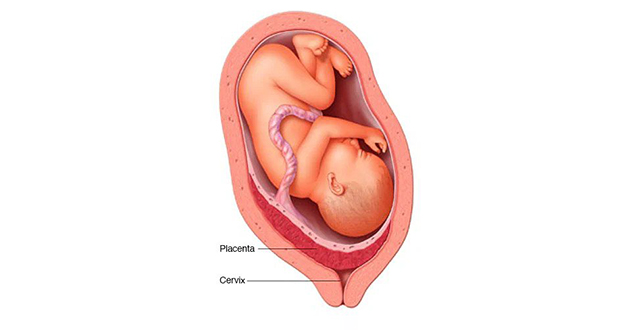
There is a protein made by placenta cells called syncytin which aids in the attachment of the placenta to the uterine wall, making it essential for nutrients to get to the developing fetus. The gene that codes for the protein actually came from a virus millions of years ago.
27. People without a functioning larynx can still speak without a mechanical voice box by using their esophagus to speak. ‘Esophageal speech,’ uses the esophagus to move air to produce vocalizations in individuals who have had their larynx (including vocal cords) removed. The skill requires a lot of practice but is a godsend to those who otherwise would not have a voice.
28. Humans can regenerate some of their organs through a process called "Compensatory Hypertrophy." When part of the liver is removed or destroyed, the remaining portion grows to the original size and allows the liver to function as it did before. Kidneys and lungs can also similarly compensate.
29. The human stomach has more nerve endings than the spinal cord, giving a bit more meaning to gut feeling.
30. The inside of the human small intestine has the same surface area as a tennis court.
Latest FactRepublic Video:
15 Most Controversial & Costly Blunders in History
31Airflow in Trachea

The speed of the airflow in your trachea when you cough is around 85% of the speed of sound.
32. Other than the tongue, the human body also has taste receptors in the stomach, intestines, pancreas, lungs, anus, testicles, and the brain.
33. Even if the stomach, the spleen, 75% of the liver, 80% of the intestines, one kidney, one lung, and virtually every organ from the pelvic and groin area were removed, the human body can still survive.
34. The feeling of ‘butterflies’ in your stomach is caused by a reduction of blood flow to the stomach due to your body’s fight or flight response. When human body releases adrenaline, it results in the release of huge amounts of glucose from the liver. It also pulls blood away from your gut and into your arms and legs, which is what causes the feeling.
35. Immune cells in humans go through a series of trials in a small organ in our chest called the thymus, to make sure they do not recognize human cells as foreign. Any cells that fail these tests are forced to kill themselves. 98% of the immune cells in our body fail this test.
