



1Clitoria Plant: Vulva-Like Flowers
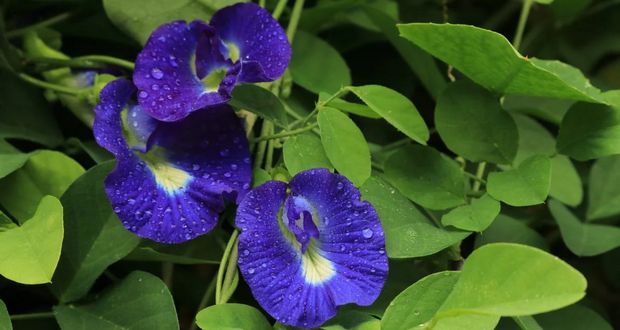
There is a genus of plants in the pea family called Clitoria. Its name comes from its flowers, which resemble human vulvas. Some species' flowers are edible and commonly used in Southeast and South Asian cuisines and traditional medicine.
2. The tailorbird is a songbird from the Asian tropics that uses its pointed beak to sew nests with large leaves using plant fiber as thread.
3. Bagheera kiplingi is the only mostly herbivorous spider that we know of. It feeds on the nectar of swollen-thorn acacias in a symbiotic relationship with Pseudomyrmex ants.
4. The males of the moth species Cosmosoma myrodora shoot layers of hair drenched in plant toxins onto the female to protect her from predators during mating, as copulation takes a significant amount of time. This practice is called protective nuptial festooning.
5. Mountain gorillas almost never drink water. They obtain hydration from their plant diet and morning dew. Despite living in rainforests, they also tend to dislike rain and try to stay dry when crossing a stream. In 2013, researchers first observed them drinking water in the wild.
Latest FactRepublic Video:
15 Most Controversial & Costly Blunders in History
6Salvia Divinorum: Potent Hallucinogen

Salvia divinorum is a plant in the Mint family that produces the most potent naturally occurring hallucinogen by mass. Salvia produces the most intense peak in roughly a minute, which lasts for 1-5 minutes. Users usually return to a sense of the everyday and familiar, then to baseline, after about 15-20 minutes.
7. An unidentified species of whale calls at the unusual frequency of 52 hertz, earning it the nickname "the 52-hertz whale." This pitch is higher than that of other whale species-blue and fin whales-that follow its migration pattern. It is known as "the world's loneliest whale."
8. The Welwitschia plant is a living fossil that existed before South America split from Africa 200 million years ago. It can live for more than 2000 years and maintain the same two leaves throughout its entire life.
9. Ophiocordycep is a species of mushroom that infects and zombifies carpenter ants. The mushroom slowly takes control of the ant's motor functions and leads them away from the colony to die in a place ideal for growing. Then the mushroom grows out of the ant's head.
10. The Hemlock Water Dropwort is the most poisonous plant in the UK. Its poison constricts the muscles, causing death by asphyxia, which also results in a rictus-like death grin. The use of this plant in Phoenician Sardinia for executions is the origin of the term "Sardonic Grin."
11Gift-Giving Spiders: Copulation Behavior

The theory of sexual selection posits that giving gifts increases a male's chances of mating in the face of heavy competition. Some species of spiders continue to hold the gift between their legs even after copulation begins, refusing to give it up and running away with it as soon as the process is over.
12. The Western hooknose is a snake species that employs farting as a defense mechanism. Some of these snakes produce such strong farts that they can lift themselves off the ground.
13. The "lemon ant," named for its lemon-like taste when eaten, is also known for creating a "devil's garden" by releasing its own herbicide. This herbicide creates a natural clearing on the rainforest floor where at most three plant species can survive.
14. In 1984, researchers found a Red Sea Cliff Swallow in Sudan, and no second bird of this species has ever been found. Conclusive evidence is lacking to determine if it matches any other species of swallow; thus, it remains listed as its own species.
15. During conservation efforts to save the critically endangered toolache wallaby, conservationists accidentally killed ten of the last surviving members of the species while attempting to capture them for a breeding program. The species is now extinct.
16Chicago's Gifted Bluegill Invasion
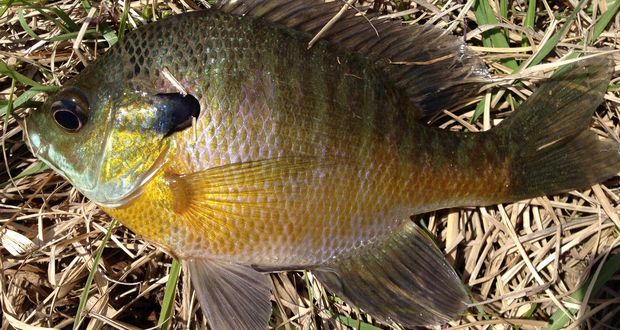
In 1960, Chicago Mayor Richard J. Daley gave Prince Akihito of Japan bluegill fish to be bred in Japan for food. They escaped captivity and are now an invasive species in Japan.
17. Two spade-toothed whales were beached in New Zealand in 2012, allowing researchers to observe this species alive for the first time. Previously, the species was only known from its skull remains. No one has ever seen it alive.
18. The Sable Island Horse, a wild species found only on a low-lying sandbar in the Atlantic off the coast of Nova Scotia, was released on Sable Island in the 1700s. Over time, they have evolved into their own species, and about 500 horses currently exist, now legally protected by the Canadian government.
19. Lake Tanganyika, the oldest and deepest lake in Africa, harbors over 300 species of fish, with 95 percent of those species found exclusively in the lake.
20. The common chicken does not exist in the wild. Humans domesticated the common chicken from the "Red Junglefowl," another species of bird that inhabits South Asia. They resemble chickens, but they live in trees and can actually fly.
21Bird Hybridization: Challenging Definitions
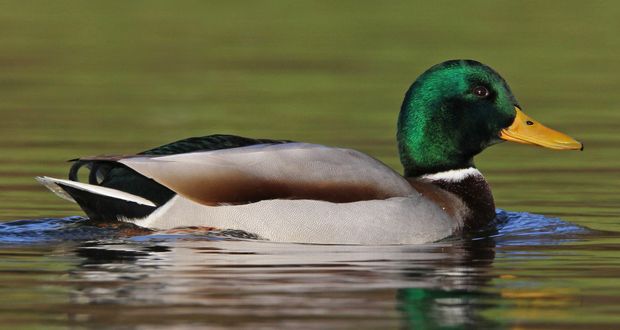
Approximately 16% of wild birds have been known to hybridize with other bird species. The mallard, for example, can hybridize with at least 40 other species. This extent of hybridization calls into question the modern definition of "species."
22. The Darwin's bark spider is one of the few non-mammalian species that engage in oral sex, with male spiders salivating onto the female's genitalia before, during, and after copulation.
23. There are at least five species of sharks living in the Thames Estuary (which runs through London), and one of those species is venomous.
24. Certain species of wild oats can "walk." They have a pair of 'legs' called awns that flex and make the seeds crawl around to find an ideal place to plant themselves.
25. Males of some animal species (primates, reptiles, rodents, etc.) deposit a "mating plug" to seal the vagina, ensuring the survival of their sperm over those of other males. However, L. mariana spiders require secretions from both sexes to form the functional plug, allowing female spiders to choose the father of their offspring.
