


1Gir Forest Hosts Sole Asiatic Lions

The only population of Asiatic lions resides in Gujarat's Gir Forest National Park in India, making them the world's sole wild lions outside Africa. Efforts to reintroduce them to places like Chandra Prabha and Palpur-Kuno Wildlife Sanctuaries have encountered hurdles, with ongoing debates about relocation. These initiatives aim to establish a secondary habitat to protect against threats like disease outbreaks and ensure the lions' survival.
2. China nearly wiped out the Père David's deer, confining the last herd to the Imperial Palace gardens. A few deer were illegally smuggled to Europe, but the rest of the herd was eaten by starving peasants and soldiers. China is now reintroducing the species to the wild after decades of conservation efforts in Europe.
3. The Chernobyl Exclusion Zone has become one of Europe's largest wildlife sanctuaries, officially designated by Ukraine. This area now supports a variety of endangered and rare species, benefiting from the absence of human activity.
4. After the extermination of the native Pennsylvania elk in the 1800s, a herd in Colorado reintroduced elk to Pennsylvania in the early 1900s. This reintroduction has successfully re-established a thriving elk population in the state.
5. Przewalski's Horses, long believed to be the only true wild horses never domesticated, are actually descended from ancient domesticated horses that became feral thousands of years ago. They represent a unique link between wild and domesticated equines.
Latest FactRepublic Video:
15 Most Controversial & Costly Blunders in History
6Earthworms Reintroduced by European Settlers

Most earthworms native to Canada perished during the last Ice Age and were reintroduced by early European settlers.
7. In 1987, the California Condor (Gymnogyps californianus) population plummeted to just 22 individuals. An intensive captive breeding and release program has increased their numbers to 439 birds, with 225 now soaring free in the wild, marking a significant recovery for this critically endangered species.
8. The London Zoo successfully bred the nearly extinct Socorro Dove (Zenaida graysoni), naming a notable dove "Arnie" after Arnold Schwarzenegger in reference to his famous "I'll be back" line.
9. Successful breeding programs have revived the giant Canada goose (Branta canadensis maxima), once presumed extinct. The restored population now lives in 83 sites across North Dakota.
10. A European group is employing back-breeding techniques to recreate the Aurochs (Bos primigenius), a large wild cattle species and the ancestor of modern cattle, which has been extinct since 1627. These efforts aim to bring back the Aurochs' genetic traits and ecological role.
11Greater One-Horned Rhino Population Rebounds

Due to rigorous protection and management by Indian and Nepalese wildlife authorities, the greater one-horned rhino population has rebounded from fewer than 100 individuals to 4,014. This species, once on the verge of extinction, has successfully recovered from the brink.
12. Genetic engineering has successfully engineered American chestnut trees to resist the blight that devastated them, paving the way for their comeback. This groundbreaking work brings hope that we may witness the return of these trees from functional extinction within our lifetime.
13. "Homegrown National Park" is an initiative encouraging Americans to plant native species on their properties to restore local biodiversity. This grassroots movement aims to create a vast network of native habitats across the USA.
14. Siberian permafrost revealed the pithovirus, the largest virus ever discovered, measuring up to 1.5 microns in size. Despite being 30,000 years old, it successfully infected cells, raising concern about ancient pathogens emerging as the climate warms.
15. The Korean Demilitarized Zone (DMZ) has become an "accidental paradise" for endangered species. Isolated from human interference, this area has allowed nature to reclaim the land, hosting over 5,000 species, including 106 with protected status.
16Buffalo Commons Prairie Restoration Proposal
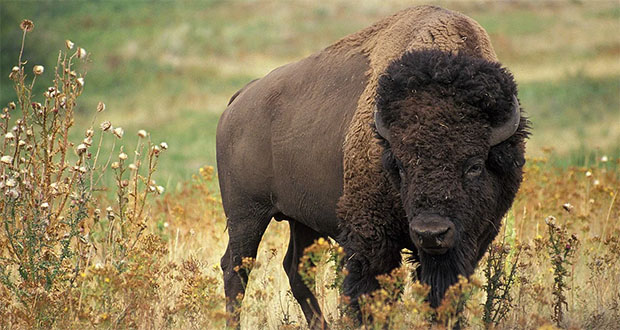
The Buffalo Commons is a proposal to transform 139,000 square miles of the Great Plains back into native prairie and reintroduce the American bison (Bison bison). This initiative aims to create a vast nature preserve, restoring the ecosystem and grazing patterns that once dominated the shortgrass prairie.
17. The tumbling tumbleweed, a long-standing symbol of the American West, is actually an introduced species from Asia known as the Russian thistle (Kali tragus). Despite its iconic status, it is non-native and can be invasive.
18. The House Sparrow, the world's most widely distributed wild bird, is native only to Eurasia. Sparrows, when introduced to other regions, frequently became invasive species, often considered pests and lacking legal protection.
19. All terrestrial species, including the Aldabra rail, perished when the Aldabra Atoll flooded 136,000 years ago. However, when the white-throated rail, the ancestor of the Aldabra rail, returned to the atoll, it re-evolved into the Aldabra rail through a process known as iterative evolution.
20. To minimize human influence while reintroducing panda cubs to the wild, researchers dress in full-body panda suits, ensuring the cubs adapt naturally to their environment.
21Cougar Comeback in Eastern US
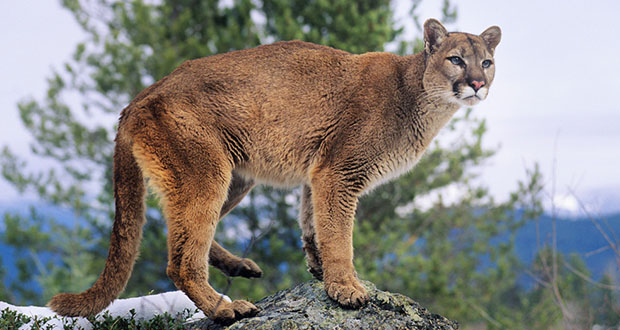
The cougar, once declared extinct in the Eastern United States (except for Southern Florida) since the 1960s, is making a significant comeback, with numerous sightings reported across the region.
22. Wild boars escaped captivity during the Great Storm of 1987 and successfully bred in the wild, marking their return to the United Kingdom after a 400-year absence.
23. While attempting to reintroduce chimpanzees into the wild, Janis Carter faced challenges as the chimps, unaccustomed to the wild, lived on her cage (home) and defecated into it due to fear of their new environment.
24. In 2013, researchers from the University of Alberta successfully revived a 400-year-old plant moss from the Canadian Arctic, demonstrating the resilience and potential longevity of plant life frozen in glaciers.
25. The Spanish reintroduced horses to North America in the 1550s, reshaping ecosystems and indigenous cultures after they went extinct there about 10,000 years ago.


