



1Porsche’s Coffee-Safe Tractor

Porsche once manufactured a gasoline-powered tractor specifically for coffee farmers. Diesel fumes could alter the coffee's flavor, prompting the creation of this rare industrial tractor.
2. Throughout history, coffee faced five major attempts at prohibition. The most notable was in 1777, when Frederick the Great of Prussia issued a manifesto claiming beer's superiority over coffee, believing coffee interfered with the country's beer consumption.
3. Coffee flour, made from the discarded coffee cherry fruit surrounding the coffee bean, is gluten-free, high in fiber and protein, and utilizes a byproduct of coffee production, 75% of which is typically wasted.
4. In 1942, the British government bought all the black tea available in the European market, deeming it essential for maintaining troop morale in North Africa.
5. Tea provides a less jittery caffeine experience than coffee due to the presence of L-theanine and high antioxidant levels, which have calming effects.
Latest FactRepublic Video:
15 Most Controversial & Costly Blunders in History
6Milk Before Tea: Wealth Symbolism
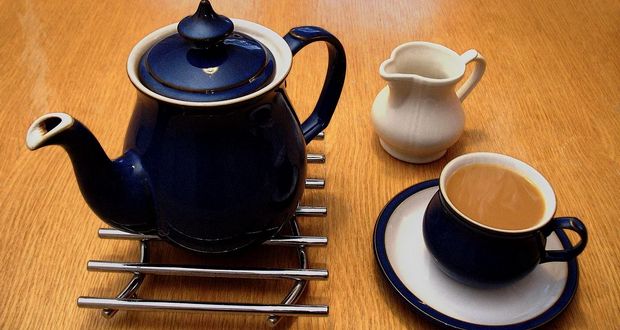
In the past, people added milk to cups before pouring tea. Adding milk afterward was a sign of wealth, as low-quality porcelain would crack under the heat of the tea.
7. Thomas Sullivan accidentally invented tea bags in 1904. He sent potential customers small samples in silk bags instead of boxes, and the recipients assumed they were meant to be dunked. Orders for his "tea bags" soon flooded Sullivan.
8. Black tea and green tea originate from the same plant. The key difference lies in processing, as black tea is fermented (oxidized) while green tea is not.
9. A Scottish botanist named Robert Fortune broke China's monopoly on tea in the 1840s by disguising himself as a Chinese nobleman "from beyond the Great Wall." He toured tea plantations and learned the secrets of tea production.
10. The caffeine in coffee beans is believed to act as a natural toxin to protect the plant's seeds from herbivores. Interestingly, caffeine production evolved independently in coffee, cacao, and tea plants as a defense mechanism.
11Japanese Word for ‘Tea Color’
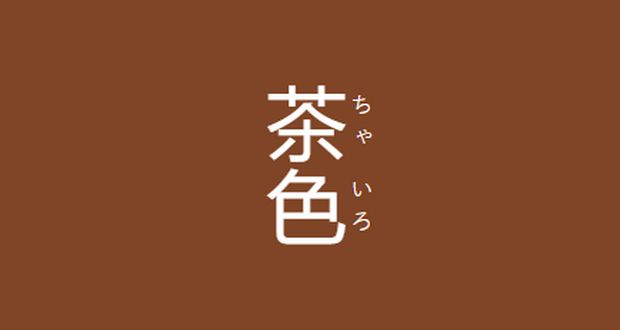
In Japanese, the word for "brown" is ?? (cha-iro), which literally translates to "tea color," as the first character means "tea" and the second means "color."
12. In the 1800s, Americans consumed an average of 90 bottles of whiskey annually, which amounts to 1.7 bottles per week. At that time, whiskey cost only twenty-five cents per gallon, making it cheaper than wine, beer, tea, coffee, or even milk.
13. An average 12-ounce (354-ml) cup of decaffeinated coffee still contains about 5.4 milligrams of caffeine.
14. Coffee can only be grown commercially in two U.S. states: California and Hawaii. Notably, the U.S. imports 90% of its coffee, primarily from South America.
15. A shot of espresso contains less caffeine than a full cup of regular coffee.
16K-Cup Creator’s Regret

The inventor of the K-Cup coffee pods does not own a single-serve coffee machine. He admitted, "They're kind of expensive to use... plus, it's not like drip coffee is tough to make." He also expressed regret over inventing them due to the waste they create.
17. Union soldiers received 36 pounds of coffee annually during the American Civil War. Interestingly, the word "coffee" appeared more frequently in their journal entries than terms like "war," "bullet," "cannon," "slavery," "mother," or even "Lincoln."
18. A Starbucks grande coffee contains 320 milligrams of caffeine-over four times the amount found in a Red Bull. Additionally, the Starbucks cinnamon chip scone has 480 calories, which is more than a McDonald's Quarter Pounder.
19. In Boston in 1777, during a coffee and sugar shortage, over 100 angry women marched to a wealthy merchant's warehouse. When he refused to hand over the keys, they grabbed him by the neck, forced the doors open, loaded their carts with coffee, and left.
20. Coffee naps, which involve napping for 15-20 minutes after drinking a cup of coffee, enhance caffeine's effects by increasing the availability of caffeine receptors in the brain.
21Swiss Miss: A Wartime Innovation
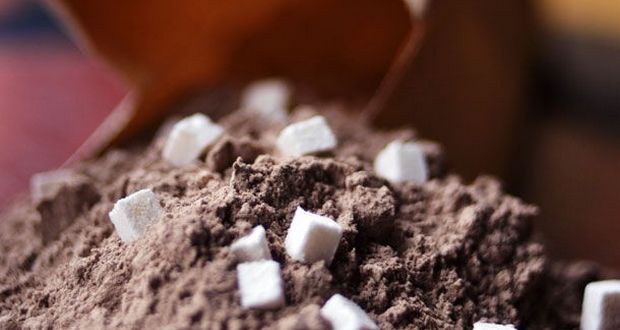
Swiss Miss, the first hot cocoa mix, was invented to use up excess coffee creamer that had been created for the Korean War.
22. The Pentagon spent $170,000 on research to understand why people spill coffee while walking. The Pentagon later published this paper in 2012.
23. Turkey is by far the largest consumer of tea per capita, with each person consuming over 3 kilograms of tea annually.
24. In the UK, a device known as a "Teasmade" gained popularity in the 1960s and 1970s. This alarm clock not only woke people up but also brewed tea, ensuring a fresh cup was ready upon waking.
25. Although the 2nd Earl of Grey abolished slavery and reformed child labor laws in England during his political leadership, he remains most famous for introducing the beloved tea blend that bears his name.
