

26Alligator Mother's Egg Care
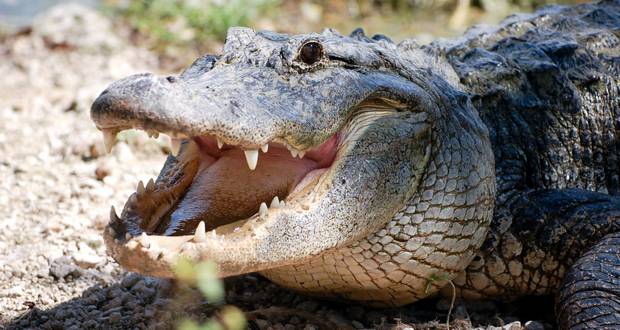
The sex of alligator hatchlings is based purely on temperature while incubating. At 86F or lower, the babies will all be female; at 93F or higher, they will all be male. The mother can sense these temperature changes and will alter the nest to maintain an optimum temperature.
27. During her 8 years of stay at an animal shelter in United Kingdom, a dog named Jasmine was a 'surrogate mother' to over 50 rescued animals; including puppies, foxes, 4 badger cubs, 15 chicks, 8 guinea pigs, 15 rabbits, a deer, and a goose. She nursed each with affection, taking care of them as soon as they arrived.
28. The African elephant has the longest gestational period out of all mammals, with an average pregnancy lasting almost 2 years.
29. When a female warthog suckles a new litter, each piglet has its own teat, suckling exclusively from it. Even if a piglet dies, others piglets do not suckle from the available teat.
30. Puppies that are separated from their mother before the age of 12 weeks have been observed to experience more behavioral problems and are generally less healthy than puppies that are separated from their mothers at the age of 3 months. Removing a puppy early doesn't improve its ability to bond with humans.
Latest FactRepublic Video:
15 Most Controversial & Costly Blunders in History
31False Pregnancy in Dogs

Female dogs can have a False Pregnancy that mimics the symptoms of a real pregnancy, including producing breast milk.
32. Female black bears delay the implantation of their fertilized eggs for months, effectively timing when they will give birth, and aborting the pregnancy if they are not healthy enough to rear cubs.
33. Female orangutans can only give birth once every 9 years. Though it is one of the slowest rates of birth observed among mammals, which hinders their survival, it also creates one of the strongest mother-child bonds seen in nature as little orangutans stay close to their mother during that whole period and nurse for most of it.
34. Baby horses are born with “feathers”, a.k.a. fairy fingers or golden slippers (real name eponychium). They protect the mother's uterus during gestation and later the birth canal during parturition from damage from the otherwise sharp and dangerous hoof kicks. They harden and fall off very soon after birth.
35. Tasmanian Devils can bear up to 50 babies at once, but since they only have four nipples, the first four babies to successfully make it from the birth canal into the pouch stand a chance of surviving. The rest die and are eaten by the mother.
