


1Ploughman’s Lunch
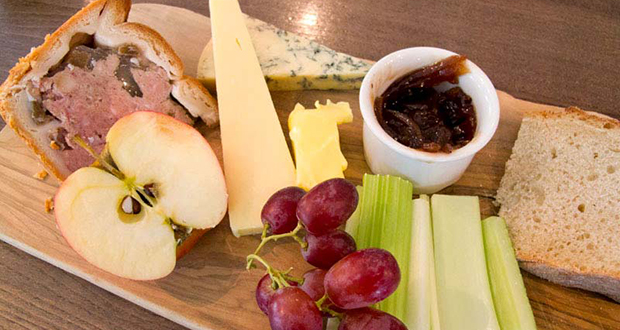
The renowned British pub meal, “Ploughman’s Lunch”, was invented in the 1950s as a marketing exercise. The Cheese Bureau, a marketing body, began promoting it in pubs as a way to increase the sales of cheese, which had recently ceased to be rationed.
2. One strain of bacteria was isolated from the poo of a “stubbornly healthy” World War 1 soldier in 1917 and was marketed as Mutaflor. Prescribed to Hitler for his notorious bowel issues in 1936, the same strain under the same brand can still be purchased outside the U.S. today.
3. In 1998, Lay’s marketed a new line of chips called "WOW!" which was later pulled off shelves after it was found to cause abdominal cramping, diarrhea, and anal leakage.
4. In the 1960s, Electrolux successfully marketed vacuums in the United Kingdom with the slogan “Nothing sucks like an Electrolux.”
5. Sonic the Hedgehog was originally brown, bald, and named “Mr. Needle Mouse.” He was redesigned and renamed after Sega decided to make their marketing campaign about how Nintendo was for children and Sega was edgy.
Latest FactRepublic Video:
15 Most Controversial & Costly Blunders in History
6PEZ
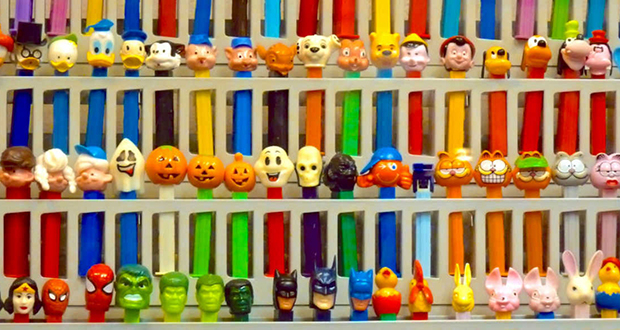
PEZ was originally marketed to adults as an alternative to smoking cigarettes and their early slogan was, “No smoking, PEZing Allowed.” The name PEZ is an abbreviation of PfeffErminZ, which is German for peppermint.
7. Casio was widely accused of false advertising after launching an ad where a hockey player used a G-Shock watch as a puck to demonstrate its toughness. However when a TV news channel replicated and verified the ad’s authenticity it gained popularity amongst the general public.
8. Coke Zero is specifically marketed towards men, who were shown to associate Diet Coke with women.
9. The Pan-American Coffee Bureau coined the phrase ‘coffee break’ in 1952, and ran a $2 million advertising campaign with the message that a ‘coffee break’ would give workers ‘a needed moment of relaxation along with a caffeine jolt.’
10. Pharmaceutical company Aventis stopped production of Eflornithine, which was a cure for sleeping sickness and a lifesaving drug for millions of Africans, between 1995-2001 because it wasn’t making enough profit. Instead, the product was marketed in the west as women’s facial hair removal cream.
11Philadelphia Cream Cheese
Philadelphia Cream Cheese was invented in New York and has never been produced in Philadelphia. Its name was an 1880s marketing strategy because at the time Philadelphia was known for its high-quality dairy.
12. Cinco De Mayo’s popularity as a holiday in the US is largely due to a marketing campaign launched by Corona Beer’s importer in 1989.
13. Bubble wrap was originally invented in 1957 to be used as wallpaper. After not selling well it was marketed as a greenhouse insulator, and then eventually as the packaging material, we know it as today.
14. When Coca-Cola marketed its Dasani brand of water in the UK in 2004 it was a PR disaster because they referred to it as “bottled spunk” and used the slogan “can’t live without spunk” not realizing “spunk” was a slang word for semen in the UK.
15. From 1952 to 1956, billions of Kent Micronite cigarettes were sold with a filter made from asbestos. The new filter was marketed as “the greatest health protection in cigarette history.”
16Harold & Kumar
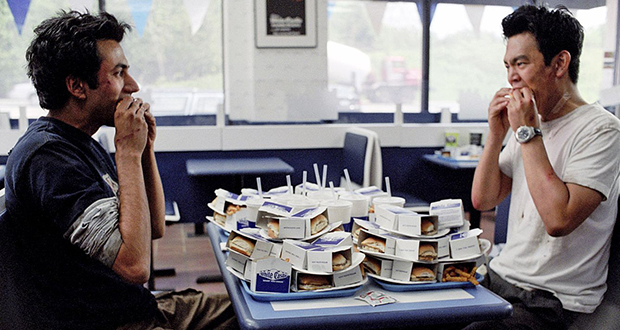
Harold and Kumar were written to go to Krispy Kreme, but after the company declined to be featured in the film, White Castle was selected instead. Happy about the free advertising, White Castle become the first fast-food chain to have an R-Rated comedy advertised on fast food containers.
17. Before World War 2, skimmed milk, as a byproduct of the butter-making process, was either thrown out or used to fatten pigs up. Shortly thereafter, it was marketed as a weight-loss food to people.
18. In the 1980s the yellow pages aired an advert in Britain. The ad saw a pregnant woman with cravings ask her husband for a pizza with tuna fish and a banana. Thousands of people tried to place orders for this weird combination of toppings, prompting Domino’s to put it on the menu.
19. When Crystal Pepsi was released, Coca-Cola released a competitor called Tab Clear. However, Tab Clear was intentionally marketed poorly in order to hurt Crystal Pepsi’s image by product association. The “born to die” strategy was successful and both campaigns were dead 6 months later.
20. The world’s largest advertisement was Citroen’s 1925-1934 advert which used the Eiffel tower. For almost a decade, the word “Citroen” was emblazoned vertically on the tower. 250,000 light bulbs and 600 kilometers of electric cable were used to make the 30-meter-high letters.
21Mr. Goodbar
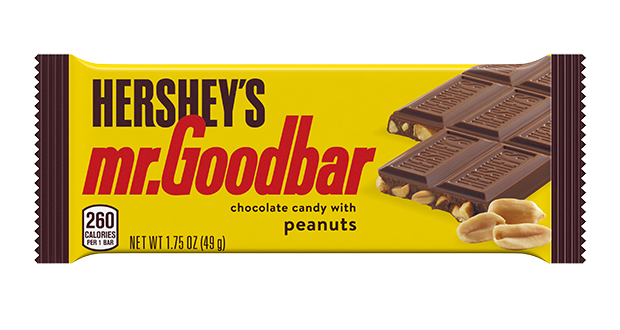
Mr. Goodbar was created in response to the Great Depression. It was marketed as a “meal replacement bar” for lunch and allowed the Hershey Company to be one of the only major companies to not lay off a single employee.
22. The inventor of Vaseline used to advertise his product by burning himself with acid and fire, then covering the wounds with the jelly while showing off his other healed injuries.
23. The drink mix Tang wasn’t created by or for NASA. It was introduced in 1957 but sold poorly until the U.S. space agency used it for John Glenn’s 1962 Mercury mission. Tang was then marketed as what the astronauts drank, but Apollo 11 astronaut Buzz Aldrin later said, “Tang sucks.”
24. In 1996, after the Sugar Puffs mascot ‘the Honey Monster’ appeared in an advert playing football for Newcastle United, sales of the cereal in nearby Sunderland plummeted. The boycott continued until 2009 when Honey Monster appeared in an ad wearing a Sunderland shirt.
25. Murphy’s Irish Stout, a brewery in Cork, Ireland, had a 60-second anime advert produced by the creators of Ghost in the shell in 1997. It was the first anime advert shown in Ireland and the UK and it shows six Samurais racing to make “Last orders” at a pub.


