

21Rumpelstiltskin's Brutal Ending

In the original 1812 version of Grimms' "Rumpelstiltskin," when the imp's name was revealed, he surrendered and vanished. However, in the 1857 edition, the Grimms wrote a new, more brutal ending. In this version, the defeated imp, in an act of despair, tears his own body in half after planting one foot in the ground and grasping the other.
22Wicked Mother Makeover

The early volumes of Grimms' Fairy Tales received widespread criticism for being deemed unsuitable for children. As a result, they changed the character of the "wicked mother" in some of their famous stories, like Cinderella and Hansel and Gretel, to an "evil stepmother."
23Jack and Jill Meaning

The origins of the "Jack and Jill" story or poem can be traced back to France. The figures Jack and Jill represent King Louis XVI and Queen Marie Antoinette, respectively. Jack (Louis XVI) lost his crown and was beheaded, followed by Jill (Marie Antoinette), who suffered a similar fate. The words and lyrics of the Jack and Jill poem were altered to create a more child-friendly story with a happy ending.
24Maui's Mythological Demise

Maui from Maori mythology, who inspired the character in Disney's "Moana," transformed into a worm to enter the Goddess of Night's vagina and bestow immortality upon humanity. However, he met his demise when she awakened and crushed him with her obsidian vaginal teeth.
25Peter Pan's Darkening

In the original story of "Peter Pan," the Lost Boys do age, even in Neverland. The reason the group always consists of children is because, if they don't die by other means (which is common), Peter "thins them out." The author never clarifies whether this implies execution or banishment.
26Dark Pinocchio Journey

The original ending of "Pinocchio" was intended as a cautionary tale, with the young puppet facing execution by hanging from a tree for his misdeeds. Additionally, in the original novel, Pinocchio spends several months as a donkey, performing in a circus until he breaks his leg, gets sold, and ultimately drowns in the ocean. However, the puppet inside survives, trapped in the form of a dead donkey, until a school of fish devours the decaying flesh.
27Hidden Tower Pregnancy

In the original 1812 version of "Rapunzel," Gothel discovers Rapunzel's visitor in the tower because Rapunzel's pregnancy is causing her clothes to become tighter. This element was deemed inappropriate for children and subsequently removed from later editions.
Latest FactRepublic Video:
15 Most Controversial & Costly Blunders in History
28Mermaid's Agonizing Dance
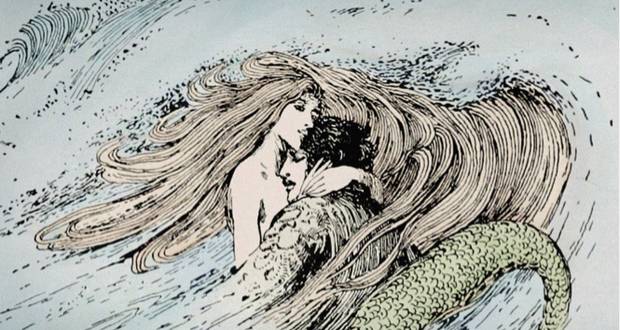
In the original "Little Mermaid" novel, the mermaid experiences constant excruciating pain, feeling as if she is walking on sharp knives with her newly acquired legs. The prince, for whom she dances despite the agony, eventually marries someone else, leading the mermaid to take her own life.
29Frog's Forceful Break

In the original version of "The Princess and the Frog" by the Brothers Grimm, the princess doesn't kiss the frog to transform it into a prince. Instead, she hurls the frog against a wall with great force, breaking the curse and restoring the frog to its princely form.
30Cinderella's Gruesome Revenge

Prior to Disney's adaptation of "Cinderella," the Brothers Grimm version of the story featured the stepsisters mutilating their own feet to fit into the slipper. They manage to fool the prince momentarily, but two magical doves reveal their bloody feet to him. Later, when Cinderella becomes queen, she has the doves blind both stepsisters.


