

21Gold in mobile phones

There is more gold in a ton of mobile phones than a ton of gold ore. It takes a ton of ore to get 1g of gold, but you can get the same amount from recycling around 41 mobile phones.
22Titanium
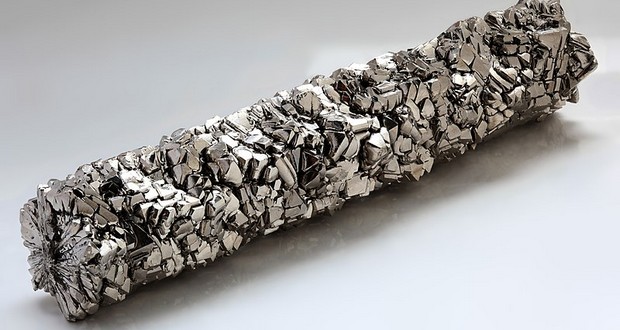
Titanium can osseointegrate, which means that it can fuse with bones and is one of the reasons why it is used extensively in biomedical implants.
2313,000 Tons of Silver

Due to a wartime shortage of copper, the Manhattan Project borrowed almost 13,000 tons of silver from the US Treasury to make wiring for the electromagnets in isotope-separating mass spectrometers. The wire, worth over a billion dollars at the time, was removed and returned after the war.
24Iron pillar

There is an ancient iron pillar in Delhi which was erected in 3rd Century A.D. by an Indian king. It is renowned for its inability to rust.
25Low Background Steel

Low Background Steel was the steel that was produced before atomic bombs were tested. It is the only kind of steel that can be used in various medical and scientifically sensitive equipments since post-nuclear steel is contaminated by radiation.
26Silver
Silver has been found to kill bacteria previously thought immune to antibacterial agents.
27Tin Recycling
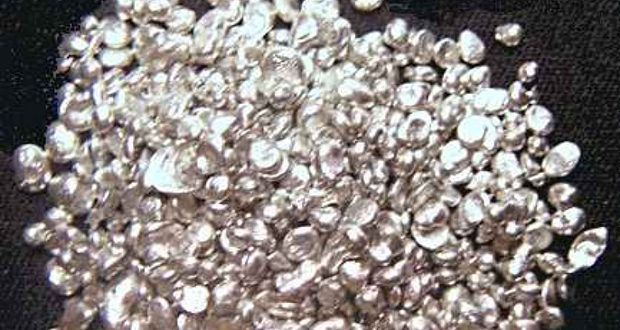
All of the tin produced in the US is recycled. The United States has neither mined tin since 1993 nor smelted tin since 1989, but USA is the largest secondary producer, recycling nearly 14,000 tons in 2006.
Latest FactRepublic Video:
15 Most Controversial & Costly Blunders in History
28Platinum

Exposure to platinum can turn snails into their evolutionary decedents, the slug.
29Strontium-90

Strontium-90, an isotope emitted from nuclear fission, is chemically similar to calcium. This means that when it is inhaled after a nuclear blast, the body uses it as it would use calcium, depositing it straight into your bones where it delivers beta radiation to your bone marrow.
30Copper

95% of all copper ever mined was extracted after 1900. More than half has been extracted in the last 24 years.


