

11Clostridia

Researchers have identified a naturally occurring bacteria named Clostridia in the human gut that keeps people from developing food allergies. This beneficial gut bacteria diminished with frequent antibiotic use at a young age — making children more susceptible to food allergies later in life.
12Lake Superior

Bacteria will feed on a decaying body underwater and create gas, which causes the body to float to the surface. However, Lake Superior's cold temperatures inhibit bacterial growth and the bodies tend to sink and never resurface.
13Mitochondria

The mitochondria in our cells, which generate energy, are ancient bacteria that had a symbiotic relationship with other single-cell organisms and developed around 1.5 billion years ago.
14Bathroom hand dryers

Bathroom hand dryers suck fecal bacteria from the room and spray it directly on your hands.
15Poop pills

Scientists have invented ‘poop pills’, which are capsules that contain only bacteria from donors' poo which are used to treat gut infections. They have no scent, taste and are as effective as traditional fecal transplants while being much cheaper.
16Breast milk

Breast milk contains sugars which aren't digestible by human infants, but which serve as food for desirable gut bacteria.
17Angel's Glow
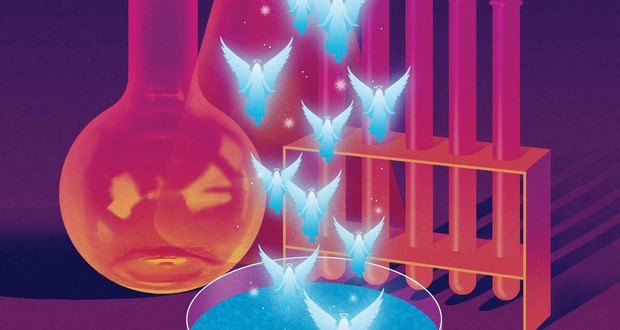
During the American Civil War some soldier's wounds glowed blue. Soldiers whose wounds glowed had better chance of surviving, and so the glow was called “Angel’s Glow”. Now it is known that the luminescence comes from bacteria that produce antibiotics and that live in nematodes.
Latest FactRepublic Video:
15 Most Controversial & Costly Blunders in History
18Birthday candles

Blowing out birthday candles increases bacteria on the cake by 1,400%.
19Serotonin

About 95% of serotonin in humans is produced in the gastrointestinal tract which is lined with a hundred million nerve cells, or neurons, that are influenced by bacteria. The inner workings of the digestive system don’t just help digest food, but also guide moods and emotions.
20Stomach bacteria

Scientists at UCLA noticed that "time and time again" people suffered their first experience with anxiety or depression right after stomach illnesses. They did brain scans after patients ate probiotics, and found that stomach bacteria actually directly affected the connectivity of the brain.


