

11Tragic Workplace Incident: Jose Melena

In the early morning of October 11th, 2012, Jose Melena, a maintenance worker at Bumble Bee Foods in Santa Fe Springs, California, met a tragic fate. Engaged in his routine tasks, Jose entered a large cylindrical opening of a machine for maintenance. Suddenly, massive pallets of tuna cans rolled into the machine, trapping him at the back. The coworkers, unaware of Jose's presence, closed the door, thinking he had gone to the bathroom.
As the industrial oven started, reaching temperatures of 270 degrees, Jose was helplessly locked inside the pressure cooker. The coworkers proceeded to load the tuna cans for sterilization, unaware of the dire situation. For two agonizing hours, Jose faced the intense heat with no means for his colleagues to realize he was still inside. The manager's inquiries and announcements only began after the oven was reopened, revealing the horrifying discovery of Jose's lifeless body.
In the aftermath, Bumble Bee Foods faced consequences, agreeing to a $6 million fine for violating safety rules. Additionally, two managers received $30,000 fines each for their roles in neglecting procedures that contributed to Jose Melena's tragic and preventable death.
12Dangerous Depths: Blue Hole Tragedies

In the Sinai Peninsula of Egypt lies the notorious Dahab Blue Hole, a captivating yet treacherous dive site in the Red Sea. Tarek Omar, known as the "Bone Collector" or "Grave Keeper," has been involved in numerous body recoveries at this site, which has claimed the lives of at least 130 divers, if not more. The Blue Hole's reputation as the deadliest dive spot on Earth is accentuated by its unique geological formation, characterized by a vertical cave that drops dramatically from the surface. It is narrow, like a funnel, with a large arch at 52 meters leading to a tunnel. The rapid drops in depth, coupled with poor water circulation and depleted oxygen levels, make it challenging for divers, even experienced ones, leading to numerous fatalities.
In 1997, Martin Gara and Conor O'Regan, experienced divers from Ireland, embarked on a dive at the Blue Hole. They joined other divers exploring the renowned site. During the dive, Martin and Conor got separated from the group and inadvertently descended too deep for their gas mixture. Losing consciousness, they sank to 65 meters, beyond the point where regular air is recommended. Unaware of their predicament, the rest of the divers surfaced, only realizing the absence of the two men upon the scheduled return time. Despite swift efforts to locate them, Martin and Conor were found too late by Tarek. The incident underscored the perilous nature of the Blue Hole, where even experienced divers could encounter challenges that lead to tragic outcomes.
In the year 2000, Yuri Lipski, a scuba diving instructor, fulfilled a long-standing dream of diving at the Blue Hole. Yuri, equipped with his scuba gear, arrived in Dahab and sought a companion for the dive. After convincing a local man to accompany him, they entered the water. Yuri documented the experience with a camera, capturing serene scenes at the surface. However, as he descended, the water darkened, and Yuri's depth exceeded the safety limit for regular air. Ignoring recommended depth thresholds, Yuri continued until reaching 81 meters, nearly twice the advised limit. Struggling with buoyancy and potentially affected by nitrogen narcosis, Yuri's attempt to navigate the challenging conditions proved futile. His buoyancy control device burst, leading to a tragic outcome. Yuri's footage, unintentionally recorded until the camera malfunctioned, became a chilling reminder of the deceptive dangers lurking beneath the seemingly calm surface of the Blue Hole.
13Tragic Night Dive at Jacob's Well
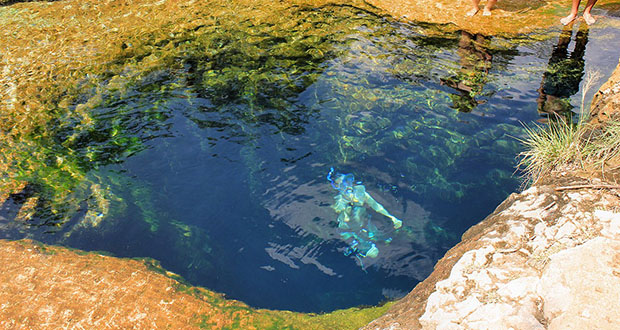
In September 1979, Jacob's Well, a seemingly tranquil blue hole in Texas, became the setting for a tragic incident that unfolded during a night dive. A group of friends, including two experienced divers named Kent and Mark, planned an exploratory dive into the well's intricate underwater cave system. The group entered the water at midnight, intending to venture into the well's chambers, which descended to depths of 25 feet, 55 feet, and 75 feet successively.
Kent, one of the divers, harbored a curiosity about the fourth chamber, a challenging section that required removing tanks to navigate through a narrow opening. Despite conflicting accounts about what lay beyond, Kent and Mark impulsively decided to explore this mysterious region without proper communication or safety measures. As they backed into the tight opening, leaving their tanks behind, fellow diver Joe, witnessing the perilous act, attempted to signal them. Ignoring the frantic signals, Kent and Mark disappeared into the darkness, leaving Joe unsure of their fate.
Realizing the potential dangers, Joe returned to the surface, haunted by the uncertainty of whether Kent and Mark were alive or dead. Hours later, as the water turned murky brown, indicating a disturbance or a possible collapse, it became apparent that a tragic accident had occurred. The search and rescue efforts proved challenging, with divers struggling to locate the missing individuals amidst the hazardous underwater terrain. The incident highlighted the deadly risks associated with exploring Jacob's Well, earning it a reputation as one of the most perilous dive sites globally.
14Alferd Packer: Gold Rush Tragedy
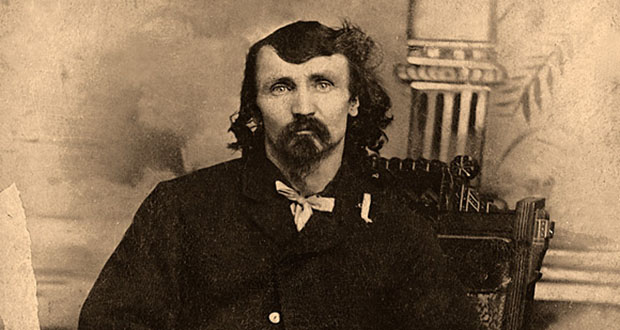
In the winter of 1874, a group of 20 men, seeking fortunes in Colorado's Bingham Canyon goldfields, embarked on a perilous journey through the San Juan Mountains. Alfred Packer's entry into the group was characterized by deception, as he claimed to be an experienced guide and prospector familiar with the San Juan Mountains. However, it quickly became evident that Packer had overstated his qualifications, lacked essential supplies, and was ill-equipped for the challenging expedition.
br>As the party, led by Bob McGrue, struggled through the harsh winter conditions and dwindling provisions, tensions escalated within the group. Packer's behavior, described as greedy, lazy, and quarrelsome, exacerbated the already challenging situation. The party reached Chief Ouray's camp near Montrose, where they were offered assistance and advised to delay their journey due to the treacherous weather. While some decided to stay with the Utes until spring, Packer, along with five others, chose to continue their journey, disregarding Chief Ouray's warnings.
The subsequent events unfolded in a grim tale of survival, betrayal, and suspicion. Packer emerged alone from the wilderness in April 1874, reaching the Los Pinós Indian Agency in a state of apparent distress. His account of being abandoned by his companions and surviving on meager resources raised skepticism among the agency men. Packer's return to civilization brought further suspicion as he exhibited well-fed physicality, contrary to the emaciated appearance expected of a wilderness survivor. The questions surrounding his story culminated in Packer being arrested for manslaughter, but his saga didn't end there.
In August, the bodies of the rest of his crew, missing since February, were discovered near Lake City. Contrary to Alferd Packer's earlier accounts, the bodies were found together, not scattered, and displayed signs of violence. Packer, having been previously detained on suspicion, had escaped custody. The corpses, in various states of decomposition, contradicted Packer's tales. Local authorities and a search party returned to the makeshift jail, only to find Packer gone. Months of speculation and sensationalized media coverage painted Packer as either grossly incompetent or a cold-blooded murderer, with allegations of cannibalism overshadowing the charges against him. The mystery surrounding the incident stoked public outrage, which resulted in angry townspeople constantly threatening Packer's life, but the true nature of the tragedy remained elusive.
15Tragic 1914 Sealing Disasters
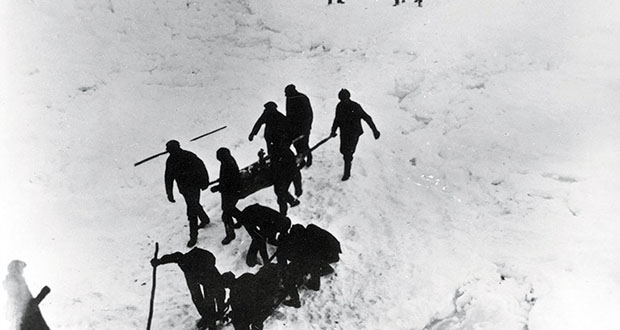
The Newfoundland and Labrador spring sealing industry of the early 20th century was lucrative but perilous. Sealing ships ventured into treacherous ice floes off the north coast, where sudden blizzards and ice jams posed significant threats. Between 1906 and 1914, five ships were lost, reducing the sealing fleet to 20 vessels. The sealing crews faced dangers like exposure to extreme weather, limited food, and the risk of being stranded on the ice for hours, navigating through unpredictable conditions.
Communication challenges compounded the risks, with captains often unaware of others' predicaments due to the vast distances between ships. In 1914, two tragic disasters unfolded simultaneously involving the SS Newfoundland and SS Southern Cross, resulting in 251 sealers' deaths. The Newfoundland's crew, led by Captain Westbury Kean, faced blizzard conditions, lacking proper shelter. Mistaken orders and misjudgments led to 132 men stranded on the ice, enduring extreme conditions. Meanwhile, the Southern Cross sank with 173 men on board, likely due to shifting cargo in stormy seas.
The lack of wireless equipment on the Newfoundland and Southern Cross hindered rescue efforts. The survivors faced life-altering injuries, and the tragedies prompted a government inquiry.


