


1Jean Carles
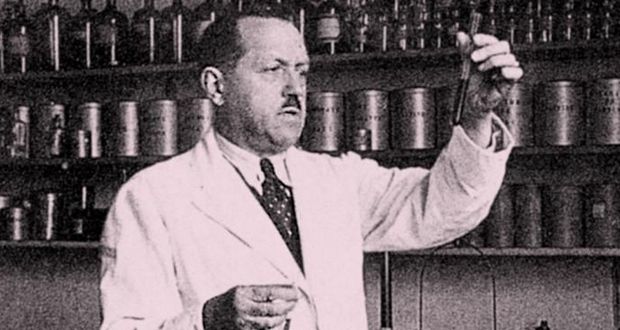
In the world of perfumery, people who craft scents are known as “noses.” One of the most famous noses of the 20th century was Jean Carles who created many of the most famous perfumes of the century. Since his nose was so important, it is said that he had it insured for $1 million.
2. Silphium was an extremely popular plant that was used as a spice, perfume, and medicine in classical antiquity. Its high demand resulted in it being harvested to extinction and thus nobody has known its taste or smell for millennia.
3. The most expensive bottle of perfume ever sold (as of Feb 2021) was a container of DKNY Golden Delicious perfume. It was put up for sale for $1 million in 2011. Its bottle was set with tourmalines, sapphires, rubies, and diamonds.
4. The Black Plague in the 13th century was thought to be contagious through the air because of the bad stench it made, so incense and perfumes were used to “cure” it.
5. Many perfumes use the secretions from the anal glands of an animal called the civet cat to give them a ‘musky’ odor.
Latest FactRepublic Video:
15 Most Controversial & Costly Blunders in History
6Egyptian Perfumes

Ancient Egyptians believed perfumes to be the sweat of sun god Ra. They even had a god of perfume, named Nefertum, who was responsible for the art of creating scents. Pharaohs were often buried with perfumes so that even in the afterlife, they would not have to encounter any unpleasant smells.
7. Tapputi was a Babylonian perfume-maker who is widely considered to be the world’s first chemist. A cuneiform tablet from 1200 B.C. describes one of her perfumes, made from flowers, oils, balsam, myrrh, and various solvents.
8. Dimethyl sulfide, one of the most repugnant chemicals, is found naturally in onions and asparagus. Surprisingly it is also found in roses and germaniums. Therefore is used in perfumery to enrich the rosiness of geranium oil and to replicate the odor of the seaside, as it is one of the chemicals found naturally in the air on beaches.
9. The world’s oldest existing perfume company was started in 1709 in Cologne, Germany, by Giovanni Maria Farina. His fragrance was so popular and widely plagiarized that its name became a generic term: “Eau de Cologne.”
10. In 1994 Crayola released scented crayons but had to retire the food scented ones after a year because parents complained that they “smelled good enough to eat.”
11Fragrance Library
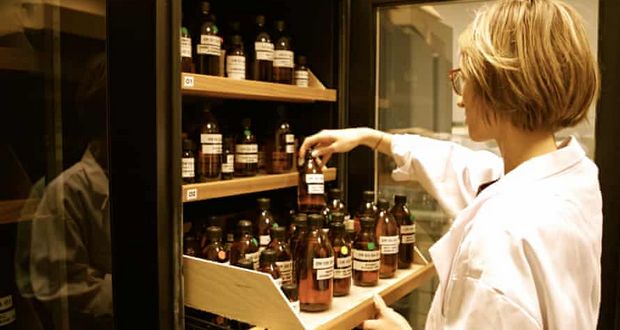
In addition to books, France operates a legal deposit scheme for perfumes, where a copy of every new fragrance has to be sent to the library for preservation.
12. Ancient Egyptians invented several forms of early deodorant, including cones made out of scented grease that was worn on top of the head. As the grease melted, it ran in cooling, fragrant trails down the person’s face and body.
13. Scottish actor Alan Cumming has a line of fragrances and lotions called “Cumming.”
14. A Dutch designer sells a ‘memory box’ for grieving widows that contains the scent of their husband’s favorite perfume, a speaker to play his favorite songs, and a gold/glass dildo containing his cremated ashes.
15. Women in Ancient Egypt and 18th century France used to keep a scented pouch in their vagina for a while before presenting it to a prospective lover.
16Febreeze
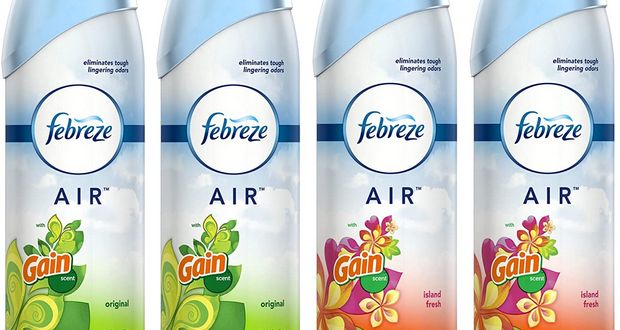
When Febreeze first came out it was marketed as an odor eliminator (and was very effective at it) but sold poorly due to people not realizing their homes/clothes smelt bad. It was only until they added scents and marketed to people as a final touch to cleaning that it became successful.
17. Chinese Emperor Qianlong was in love with an Uyghur woman who naturally produced a fine fragrance from her skin. She was given as a gift to the Emperor and carefully escorted all the way to the imperial palace in Beijing. She was bathed every day in camel’s milk to preserve her mysterious fragrance.
18. The oldest perfume factory in the world was unearthed in Cyprus in 2004. It has been dated back to the Bronze Age, around 4000 years ago, and it covered an estimated surface area of over 4,000m², indicating that their perfume manufacturing was on an industrial scale.
19. Human poop and farts get their foul smell from the chemical compounds Skatole and Indole (among others). At low concentrations, these compounds smell flowery and are used in perfumes. USA and Israel have used Skatole in crowd control sprays. The stench does not wash off the skin for 3 days.
20. The “musk” smell in colognes and perfumes was originally derived from a gland located between the genitals and the umbilicus of the Himalayan male musk deer.
21Library Perfumes
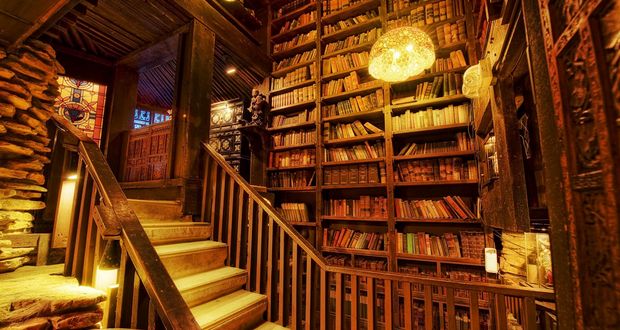
There are paper-scented perfumes and candles that mimic the smell of freshly printed books, old tomes, or libraries. Some scented candles are even inspired by Oxford Library’s ambient aroma.
22. Major orange juice producers add chemical fragrances called “flavor packs” to their juice to provide the signature taste of their brand because OJ loses its flavor during pasteurization and de-oxygenation.
23. Antiperspirant deodorants are designed to be put on before bed and not after your morning shower.
24. In 2016, a teenager named Jonathan Capewell died from a heart attack caused by the buildup of butane and propane in his blood after excessive use of deodorant sprays. He accidentally inhaled large amounts over time, as he reportedly had an obsession with personal hygiene.
25. Ingredients in the average bottle of Prestige perfume cost about $1.20 to $1.50. The actual liquid in a typical bottle of $150 perfume is less than 1% of the retail cost. The bottle, box, and display carton typically cost four to six times more than the fragrance itself.


