


1Stuffed Pizza
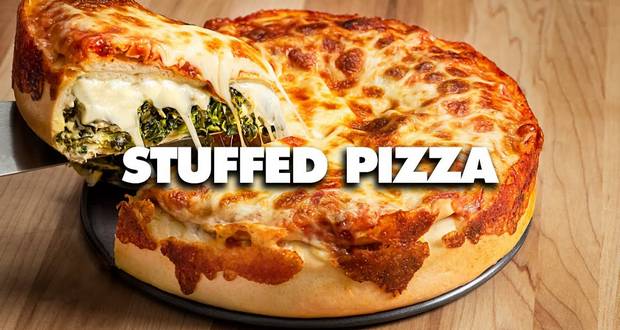
Stuffed pizza came along in Chicago in 1974 when Nancy’s and Giordano’s both opened their doors. They claim that their recipes came from old family recipes from Italy of scarciedda or Easter pies.
2. Spartans supported their physical training with “black broth” made of pig blood and vinegar. Philippines has a similar dish called Dinuguan.
3. Beer soup was a common breakfast in medieval Europe.
4. Corn needs to be cooked in limewater before its nutrients can be absorbed into the human body. While Native Americans knew this, early New World colonial settlers did not, which resulted in many deaths from malnutrition for those who were using it as a staple food.
5. Ice Cream sundaes were invented when it became illegal to sell ice-cream sodas on a Sunday in the American town of Evanston during the late 19th century. To get around the problem some traders replaced the soda with syrup and called the dessert an “Ice Cream Sunday.”
Latest FactRepublic Video:
15 Most Controversial & Costly Blunders in History
6Pecan Pie
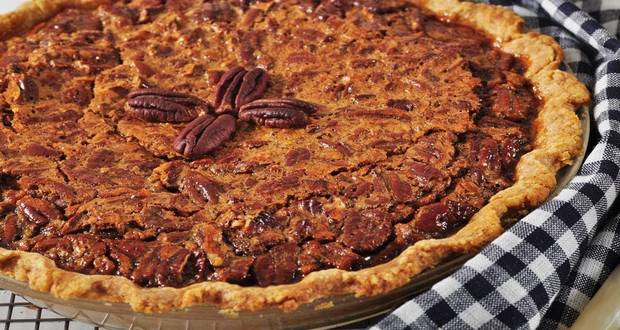
Pecan pie isn’t a traditional Thanksgiving dessert but was instead created in the 1930s to sell Karo Syrup, after their previous plan to sell the syrup as a depression cure failed.
7. Aunt Bessie’s factory in Hull produces 900 million Yorkshire puddings every year. In the run-up to Christmas alone, 110 million Yorkshire puddings are produced. The Yorkshire pudding once used to be served as a first course with thick gravy to dull the appetite with the low-cost ingredients so that the diners would not eat so much of the more expensive meat in the next course.
8. The fattiest pastry in all of Europe is a French cake called Kouign-amann which is 30% butter and 30% sugar.
9. Scottish-Indian fusion is becoming popular and haggis pakoras are a highly improbable Indo-Caledonian alliance making use of the Scots’ most potent culinary weapons: sheep pluck (heart, liver and lungs). They are deep-fat fried after being dipped in Indian chutney or yogurt sauce.
10. “Foodpairing” involves chemically analyzing food for flavor profiles, then establishing edibles that taste delicious together, despite disparities in appearance. The resulting matches are often surprising, such as “caviar and white chocolate” and “strawberries and peas”.
11Carbonara Pasta
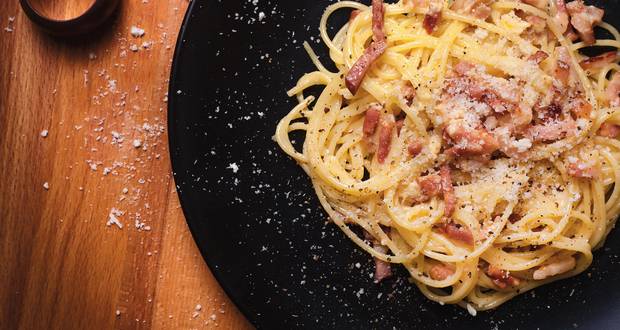
The first traces of carbonara pasta dates back to the 1940s. The name “carbonara” means coal burner in which it is assumed that the recipe originated from those working in mines or outdoors for long periods.
12. Fruitcakes last a long time intentionally. They were originally baked at the end of harvest and some of the cake was saved to be eaten at the beginning of the harvest the following year as people thought that would bring a good crop.
13. Ranch dressing was invented by a plumber working in Alaska in the 1950s. He and his wife opened a Dude ranch called Hidden Valley Ranch in Santa Barbara County, California in 1954. 40% of Americans say ranch-style dressing is their favorite and it has been the best-selling salad dressing since 1992.
14. In Russia, flavored instant-mashed potatoes in a cup are a popular snack, similar to instant ramen cup noodles in Japan and North America.
15. Sweet peas should be eaten in moderation because they contain “antinutrients” which can cause bloating and can interfere with mineral absorption.
16Pound Cake
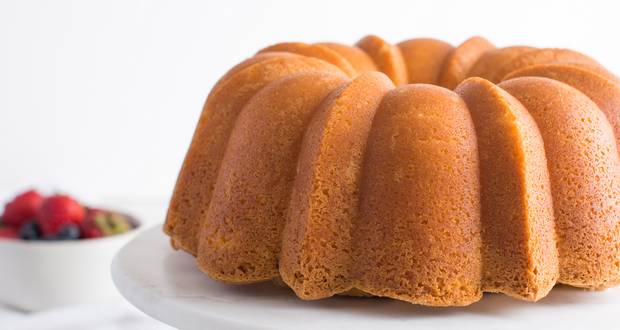
Pound cake gets its name because of how it was made in the 1700s. Originally, the recipe called for one pound each of flour, sugar, butter, and eggs.
17. Snail eggs are sometimes eaten as escargot caviar. A single snail lays four grams of eggs a year, compared to fish used for caviar that produces up to 18kg of roe per year.
18. If you have diarrhea after eating sushi, it’s likely that the sushi restaurant substituted tuna with escolar, a fish whose diet is high in wax esters, causing it to have a laxative effect when eaten.
19. Clay and earth are eaten in some nations; either for pleasure or to suppress hunger. One such clay is Kaolin, which is sold at most markets in Cameroon and is often flavored with spices such as black pepper and cardamom. Consumption is greatest among women, especially during pregnancy.
20. 65 million guinea pigs are eaten each year in Peru and “cuy” [cooee], named for the sound they make, have been a delicacy for over 5000 years and a mated pair is often given as a wedding present.
21Morel Mushrooms
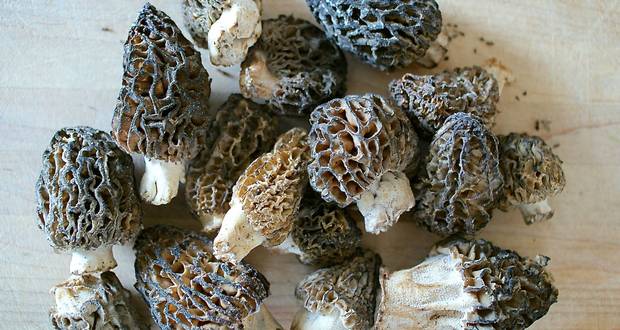
Common Morel mushrooms cannot be eaten raw (must be cooked), because they contain Hydrazine; the same chemical used as room temperature stable (but toxic & carcinogenic) rocket fuel.
22. Muktuk is a traditional Inuit and Chukchi food consisting of frozen whale skin and blubber. Muktuk is a good source of Vitamin C and was eaten by British Arctic explorers to prevent scurvy.
23. During the 1800s, it was customary for unmarried wedding guests in England to stick fruitcake under their pillow to dream about the person they eventually would marry.
24. Russian fishermen learned to farm caviar as early as the 12th century and for centuries it was considered nothing more than cheap peasant food, served with porridge and eaten by the bowlful.
25. Corn smut is a fungal disease that transforms the head of corn into edible mushrooms. It is a known delicacy in Mexico called huitlacoche. They are preserved and sold for a significantly higher price than uninfected corn.
