


1Dom Pérignon's Champagne Refinements

Contrary to popular belief, Dom Pérignon did not invent champagne in the late 1600s. Benedictine monks in 1531 pioneered double fermentation by bottling wine before the process ended. Later, English scientist Christopher Merret advanced the method by adding sugar to create a second fermentation. Pérignon, however, refined the process and made significant improvements.
2. Members of Olga Berluti's exclusive Swann Club polish their shoes using Venetian linen soaked in Dom Pérignon champagne and expose them to the light of the quarter moon. Berluti claims, "The moon gives transparency to leather. The sun burns; the moon burnishes."
3. Google Images came into existence after Jennifer Lopez wore her iconic green Versace dress to the 2000 Grammy Awards. The dress sparked an unprecedented surge in Google searches, making it the platform's most popular query at the time.
4. Luxury brands like Louis Vuitton, Dior, Bulgari, Marc Jacobs, Tag Heuer, Givenchy, and Fendi all fall under the ownership of Bernard Arnault, the head of LVMH, the world's largest luxury conglomerate.
5. After Christian Dior introduced the "New Look" fashion collection in 1947, protests emerged against the extravagant designs. One group, the "League of Broke Husbands," comprising 30,000 men, opposed the high costs linked to the large amounts of fabric required for the outfits.
Latest FactRepublic Video:
15 Most Controversial & Costly Blunders in History
6A&F Pays Jersey Shore Star
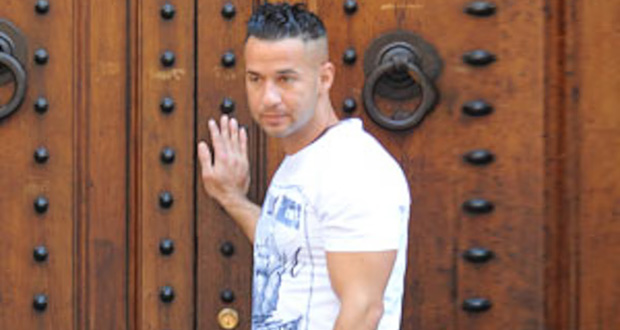
In 2011, Abercrombie & Fitch offered Mike "The Situation" Sorrentino from Jersey Shore $10,000 to stop wearing their clothes. The company believed his association with their brand could cause "significant damage" to their image.
7. A 1951 costume ball in Venice, hosted by eccentric millionaire Carlos de Beistegui, earned the title "party of the century." Over a thousand guests attended, including Salvador Dalí, Christian Dior, and Orson Welles. Hoping to gain entry, uninvited attendees anchored their yachts offshore.
8. The name "Rolex" holds no specific meaning. Its founder created it as a completely made-up word that could be easily pronounced in any language.
9. The Swatch Group, a multibillion-dollar holding company, owns the iconic 1980s watch brand Swatch. The group also controls ETA, the largest manufacturer of Swiss watch movements, which holds a near-monopoly in the industry.
10. Gianni Versace's favorite niece, Allegra Versace, inherited 50% ownership of his fashion empire due to a long-standing disagreement within the Versace family. She was only 11 years old at the time of his death, but on her 18th birthday, Allegra became worth hundreds of millions of dollars.
11Coco Chanel's Wartime Actions
During the Nazi occupation of France, Coco Chanel leveraged her "Aryan" status to claim sole ownership of Chanel, a company co-directed by Jewish partners. However, the Wertheimer family, anticipating this move, temporarily handed control to a Christian French businessman, who returned the company to them after the war.
12. Ernest Hemingway, a frequent customer of Abercrombie & Fitch, purchased the gun he used to commit suicide in 1961 from the store. After his death, his wife consigned several of his guns back to the company.
13. Inside a climate-controlled vault in the National Archives, Jacqueline Kennedy's iconic blood-stained pink Chanel suit from JFK's assassination remains uncleaned and preserved. It will remain "out of public view" until at least 2103.
14. The Zodiac watch company, once regarded as an equal to luxury brands like Rolex, lost prominence partly due to its association with the Zodiac Killer. The killer used the company's logo as his signature in letters sent to the press.
15. German luxury brand Hugo Boss AG advertised itself as the "supplier of national socialist uniforms" during 1934-1935. In 1946, its founder, Hugo Boss, faced a fine of 70,000 Reichsmarks and lost his voting rights for benefiting from Nazism.
16De Beers Battles Lab Diamonds

De Beers has invested millions in efforts to differentiate "real" diamonds from modern lab-grown diamonds. Despite their efforts, they have been unable to reliably detect the difference, as the market floods with inexpensive lab-grown gems, particularly from China.
17. Itoya in Tokyo is a 12-floor luxury paper store that features a unique offering on its top floor. The 12th floor serves fresh salads grown on the 11th floor, which houses an organic indoor farm.
18. The Grand Hyatt Hotel in Cannes, France, has a team of five trained attack hawks that it uses to keep pesky seagulls from harassing its wealthy patrons in outside seating areas.
19. New Zealand red deer produce a rare fiber known as Cervelt, which is softer than cashmere. Collecting only 20 grams of this fiber per deer annually makes it incredibly exclusive, with luxury socks made from Cervelt costing $1,500 per pair.
20. British luxury lingerie brand Rigby & Peller lost its royal warrant after owner June Keaton referenced her visits to Buckingham Palace in her autobiography, Storm in a D-Cup. Keaton had served as a bra-fitter to the queen.
21Prada Marfa: A Branding Critique
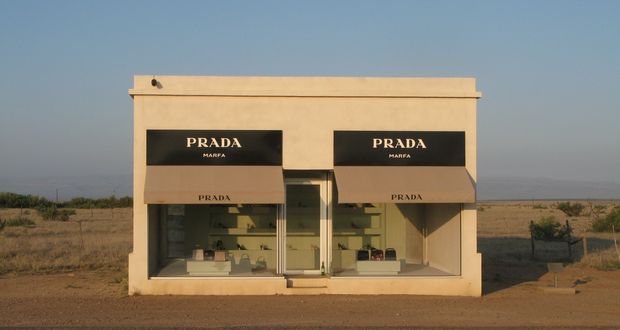
In 2005, artists Elmgreen and Dragset created Prada Marfa, a permanently installed sculpture in Valentine, Texas, as a critique of branding and consumer culture. The faux Prada store, which sits in the middle of the Texas desert, has no employees but contains real merchandise displayed behind bulletproof glass to deter theft.
22. Luxury fashion brands like Burberry deliberately burn unsold merchandise worth millions of dollars to maintain their exclusivity and prevent price reductions.
23. Supreme famously borrowed its iconic box logo design from artist Barbara Kruger. Ironically, when Supreme sued another company for copying their logo, Kruger responded to a Complex editor's request for comment by calling the situation "a ridiculous clusterfu*k of totally uncool jokers."
24. In Asia, many view collecting luxury goods as a smart investment. Luxury handbags, for example, can increase in value by 14.2% annually, offering returns significantly higher than the stock market.
25. Lewis Hamilton, the renowned Formula 1 driver, fought an unsuccessful legal battle for three years against the luxury watchmaker Hamilton over its brand name. The watch company, which has used the name since 1892, held a trademark in Europe. As a result, Hamilton's attempt to claim rights over the name failed.
