


1Poisonous Potatoes Neutralized with Clay

Before their domestication, potatoes were poisonous. People ate them with a clay-and-water gravy to counteract the toxins.
2. Corn, a type of grass, was domesticated 8,700 years ago. Human intervention has so thoroughly domesticated corn that it can no longer survive without us.
3. Wild oats and rye self-domesticated by growing in wheat fields, gradually imitating wheat over generations. This process, called Vavilovian mimicry, led to their selection through agriculture.
4. The 7th century A.D. saw the domestication of rabbits. Interestingly, the Catholic Church played a role in their domestication by ruling that fetal rabbits were a type of fish, making them acceptable to eat during Lent.
5. Around 300 B.C., the Mayans viewed turkeys as vessels of the gods and honored them accordingly. The Mayans originally domesticated turkeys for their role in religious rites.
Latest FactRepublic Video:
15 Most Controversial & Costly Blunders in History
6Fuegian Dogs Extinct from Genocide
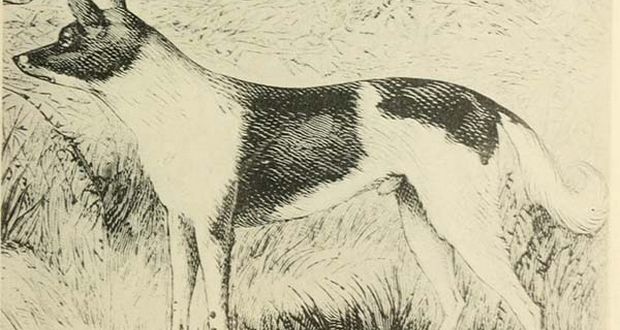
The Selk'nam people of Tierra del Fuego domesticated the culpeo, a South American fox species, resulting in the "Fuegian dog." Unfortunately, the Fuegian dog became extinct in the late 19th or early 20th century, coinciding with the genocide of the Selk'nam people.
7. A 2022 study revealed that domesticated betta fish can change their sex due to their DMR1 genome.
8. Ferrets do not exist in the wild; they are the domesticated form of the European polecat. Interestingly, America's "black-footed ferret" is actually a species of polecat.
9. Ancient Egyptians domesticated hyenas and used them as a food source.
10. Street pigeons, also known as feral pigeons, descend from domesticated pigeons, not wild ones.
11Guinea Pigs: Peruvian Cuisine Staple

Guinea pigs were originally domesticated as a source of meat and remain an essential part of traditional Peruvian cuisine, where they are known as cuy. A cathedral in Peru features a painting of Christ and the 12 disciples eating guinea pigs during the Last Supper.
12. The biomass of domesticated poultry, mainly chickens, is roughly three times greater than that of all wild birds combined. In 2016 alone, humans consumed about 65.8 billion chickens.
13. The names for domestic food animals while they are alive come from lower-class Anglo-Saxons, who tended them, while the names for their meat come from upper-class Norman French, who could afford to eat them.
14. The Indo Gigante, a domestic chicken breed, can reach a height of 1.2 meters.
15. Domestic hamsters hibernate during winter, often leading people to mistakenly assume they have died.
16Alpacas: Domesticated Vicuña Relatives

Wild alpacas do not exist. The alpaca is a domesticated version of the vicuña, a species closely related to llamas.
17. People specifically select certain breeds of domesticated pigeons for their ability to tumble or roll in the air.
18. The domesticated dog evolved from a tamer version of the gray wolf. DNA evidence suggests dogs were domesticated in Asia at least 15,000 years ago, though some researchers believe dogs and humans have partnered for as long as 100,000 years.
19. Ants herd and domesticate aphids by "milking" them for honeydew nectar, moving them to sweeter plants, and protecting them from predators like ladybugs.
20. The milk of the domesticated eland, a large African antelope, lasts up to 80 times longer than cow's milk. Additionally, elands require far less water than cattle.
21Wild and Pet Dogs Scavenge Differently

Domesticated and wild dogs scavenge human remains differently. Pet dogs often eat their owners' faces, while wild dogs focus on nutrient-rich organs in the abdomen.
22. When a domestic pig escapes into the wild, it reverts to a wild state within months. It grows tusks, develops a hairy coat, and becomes significantly more aggressive.
23. Thousands of years ago, humans domesticated a mold called Aspergillus oryzae. This mold produces soy sauce, miso, sake, amazake, and other savory products.
24. Reindeer and caribou are the same species. In North America, the term "caribou" refers to the wild version, while "reindeer" applies to domesticated ones. People in Europe universally refer to them as reindeer.
25. A South African man named Marius Els adopted a baby hippo, attempted to domesticate it, and was tragically killed by the same hippo in the river where he had rescued it.
